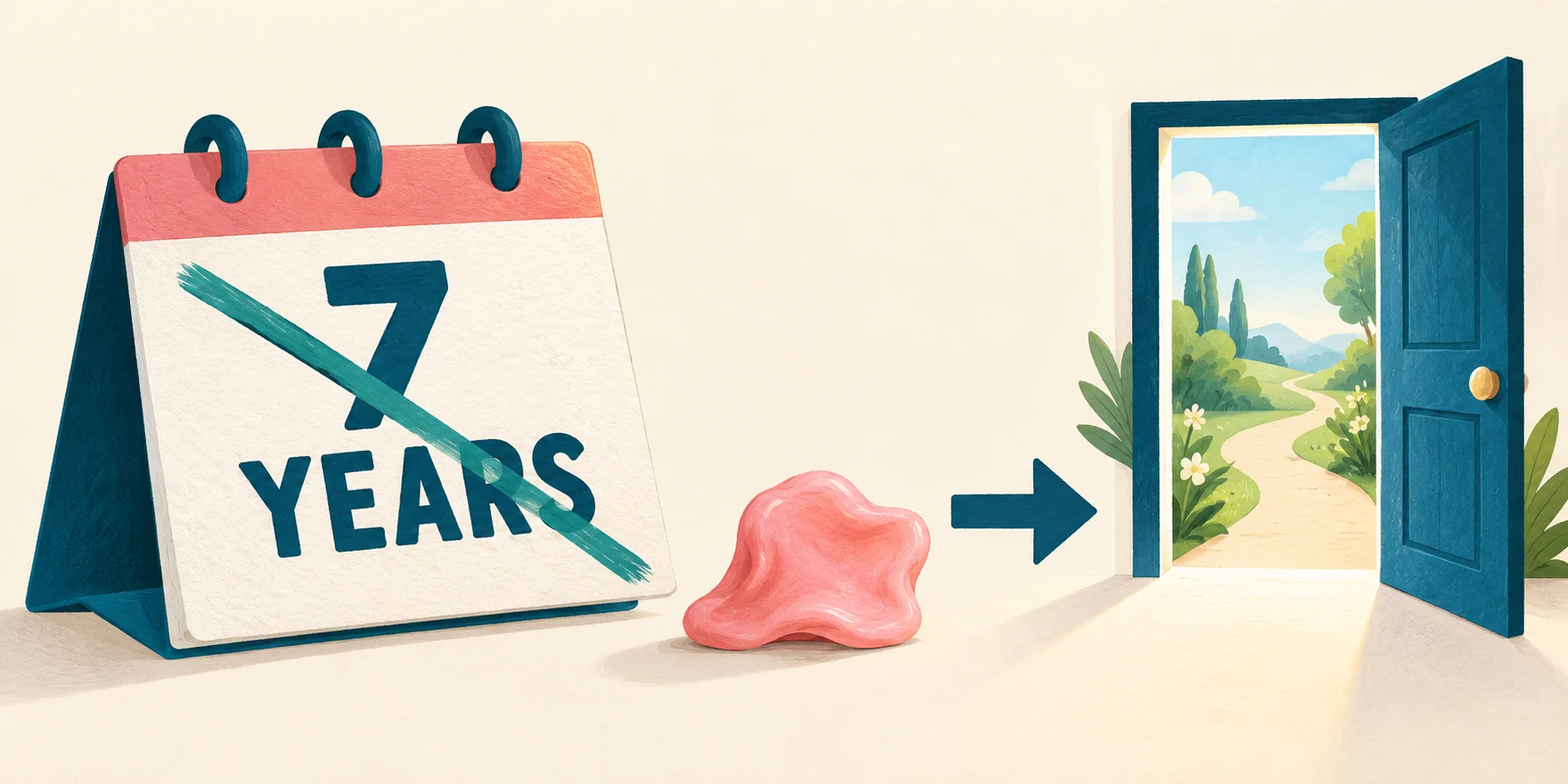
Does swallowed chewing gum really stay in your stomach for 7 years?
Swallowed gum does not stay in your stomach for seven years. See where it goes, how long it usually takes to pass and when to get help.
Read the guide →A little help choosing
Get clear answers to curious sweet questions, compare sweet types and plan quantities with our practical guides and calculators. Explore gift ideas when you are choosing a treat for someone else.
Swallowed gum does not stay in your stomach for seven years. See where it goes, how long it usually takes to pass and when to get help.
Read the guide →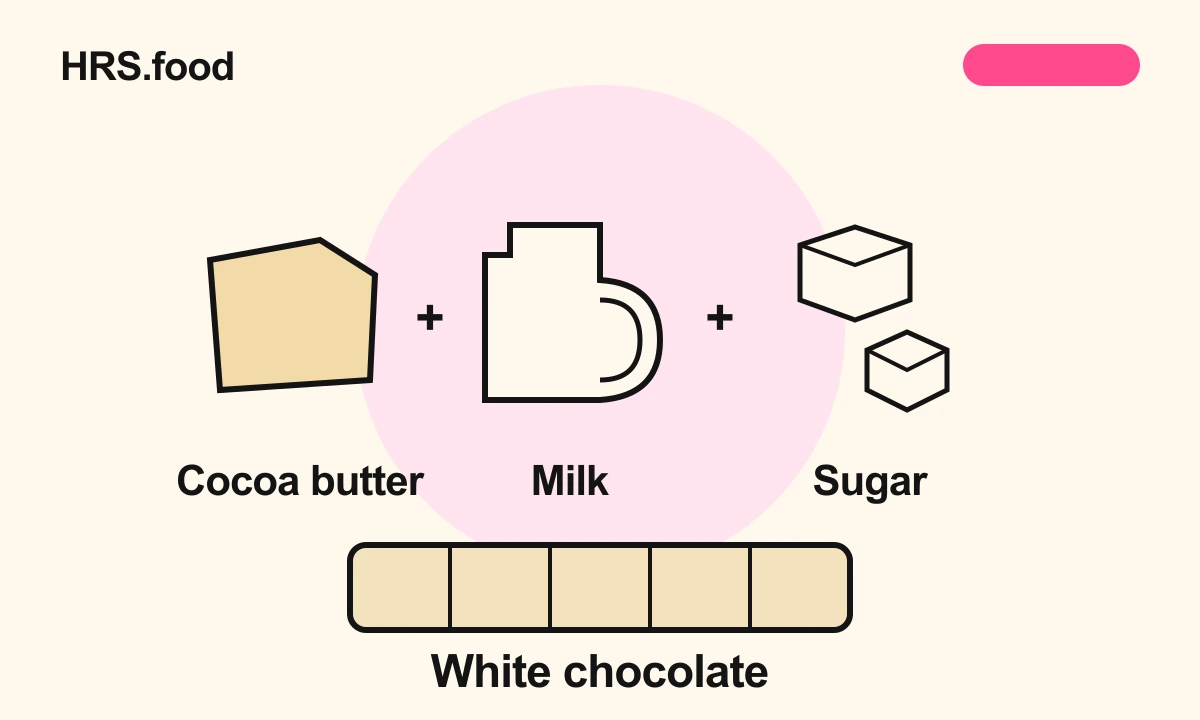
Yes, white chocolate is real chocolate. Learn what cocoa butter is, why white chocolate is pale and what to look for on the label.
Read the guide →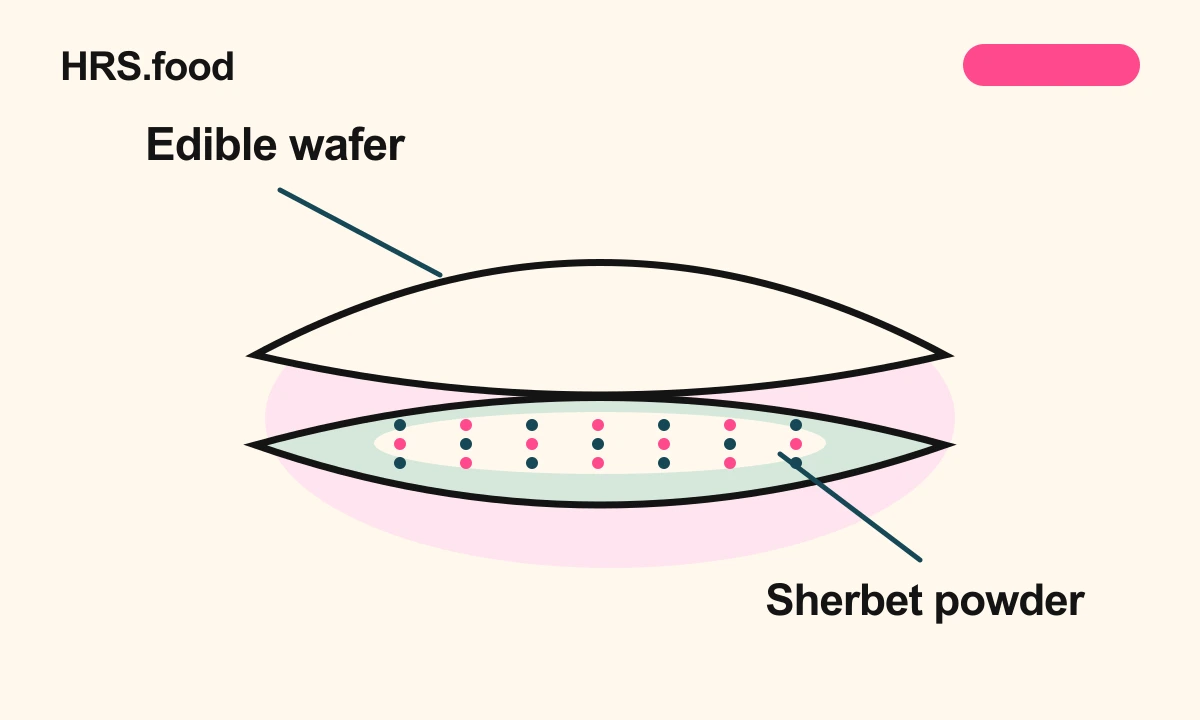
The outside of a Flying Saucer is edible starch wafer. Discover why rice paper is not always made from rice, and how the sherbet centre fizzes.
Read the guide →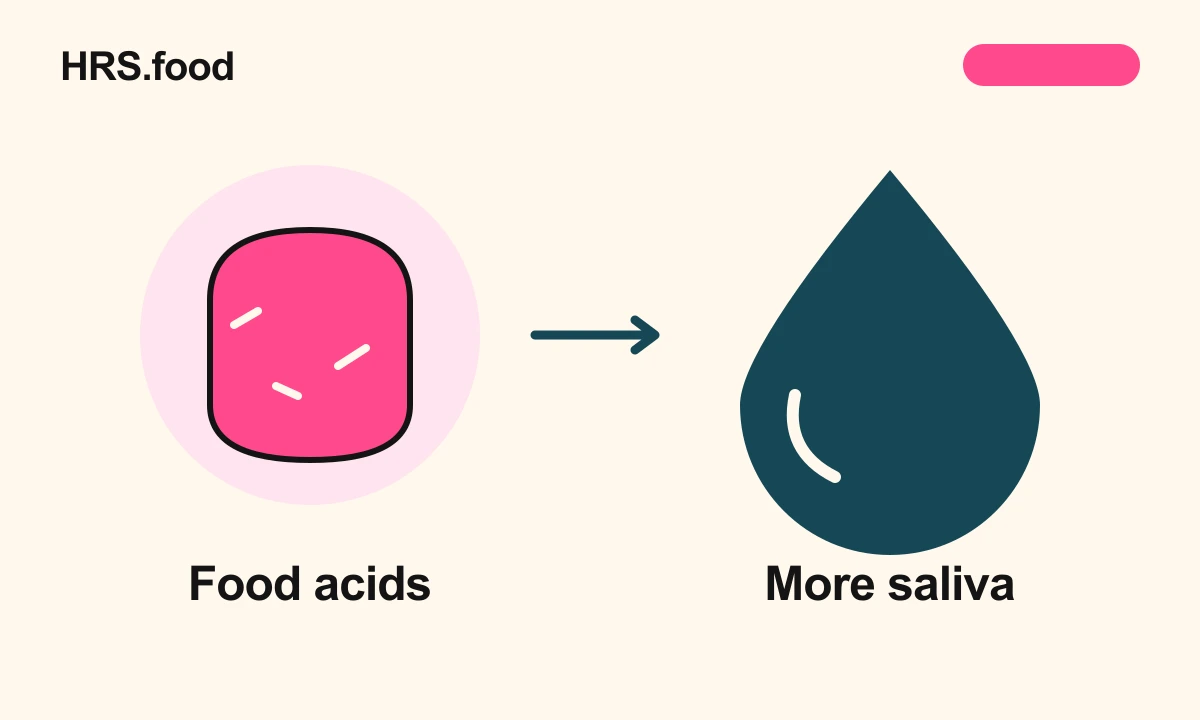
Sour sweets trigger a saliva response to food acids. See how it works, why people react differently and how to look after your mouth.
Read the guide →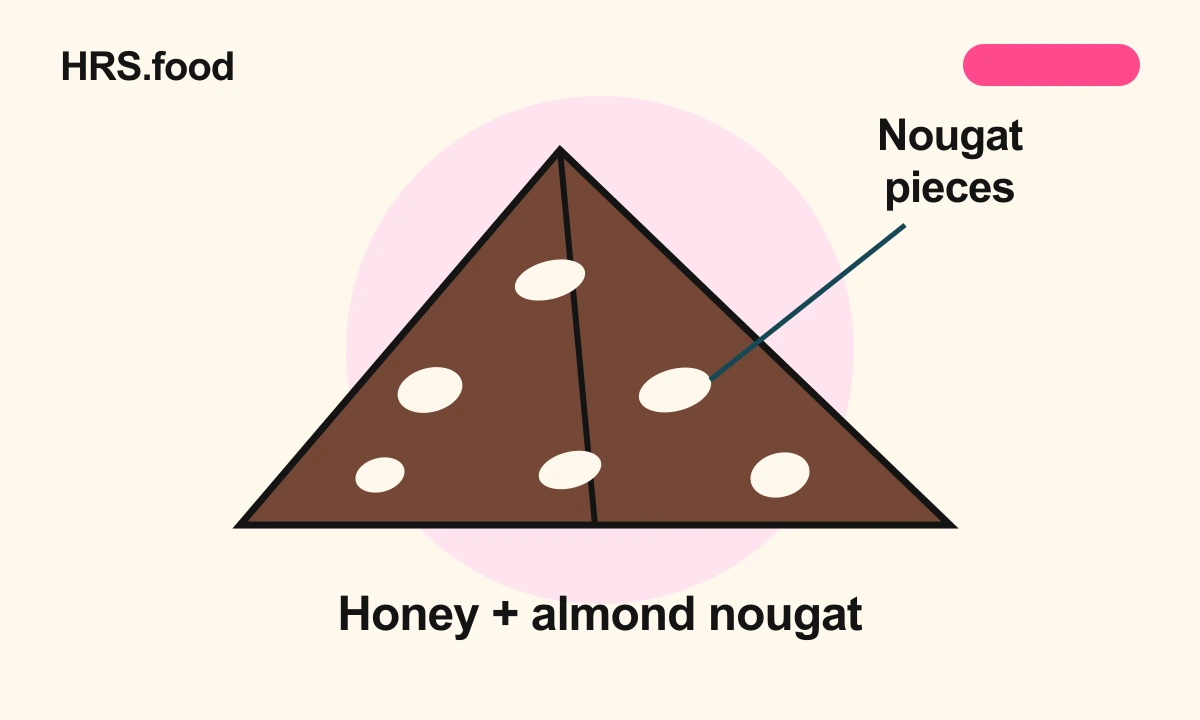
The little chewy bits in classic Toblerone are honey and almond nougat. Find out what that means and which ingredients and allergens to check.
Read the guide →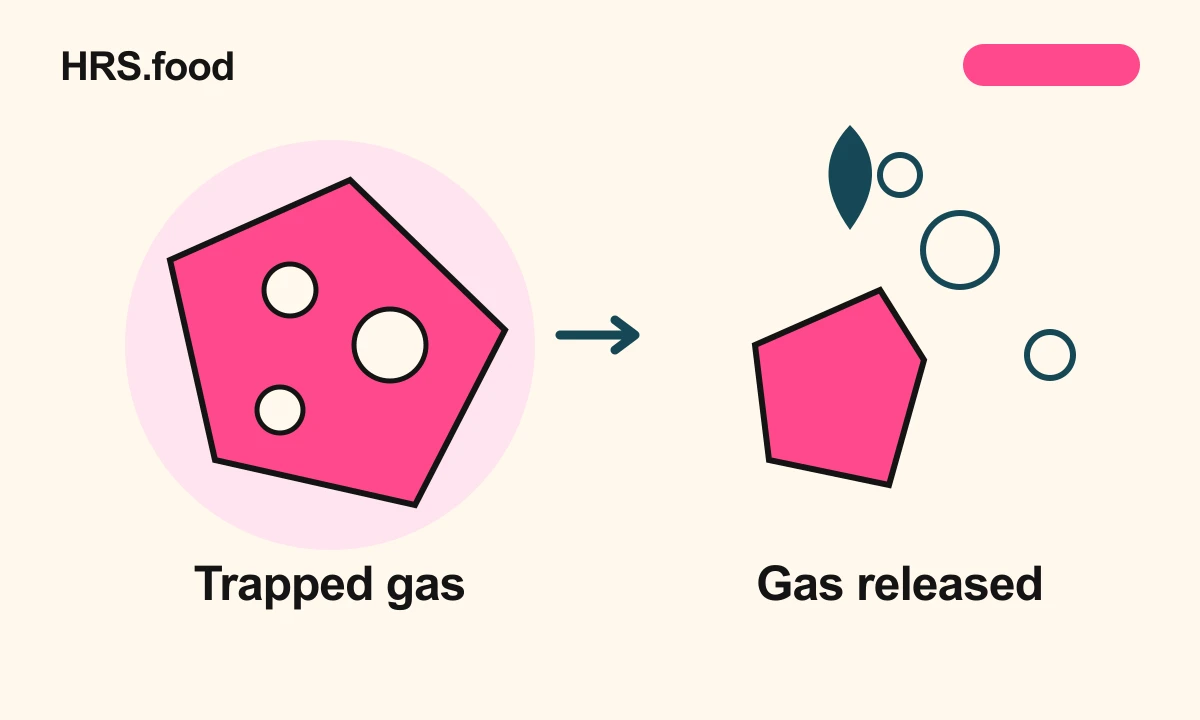
Popping candy contains tiny pockets of trapped carbon dioxide. See why saliva releases the gas, how it differs from sherbet and why it needs to stay dry.
Read the guide →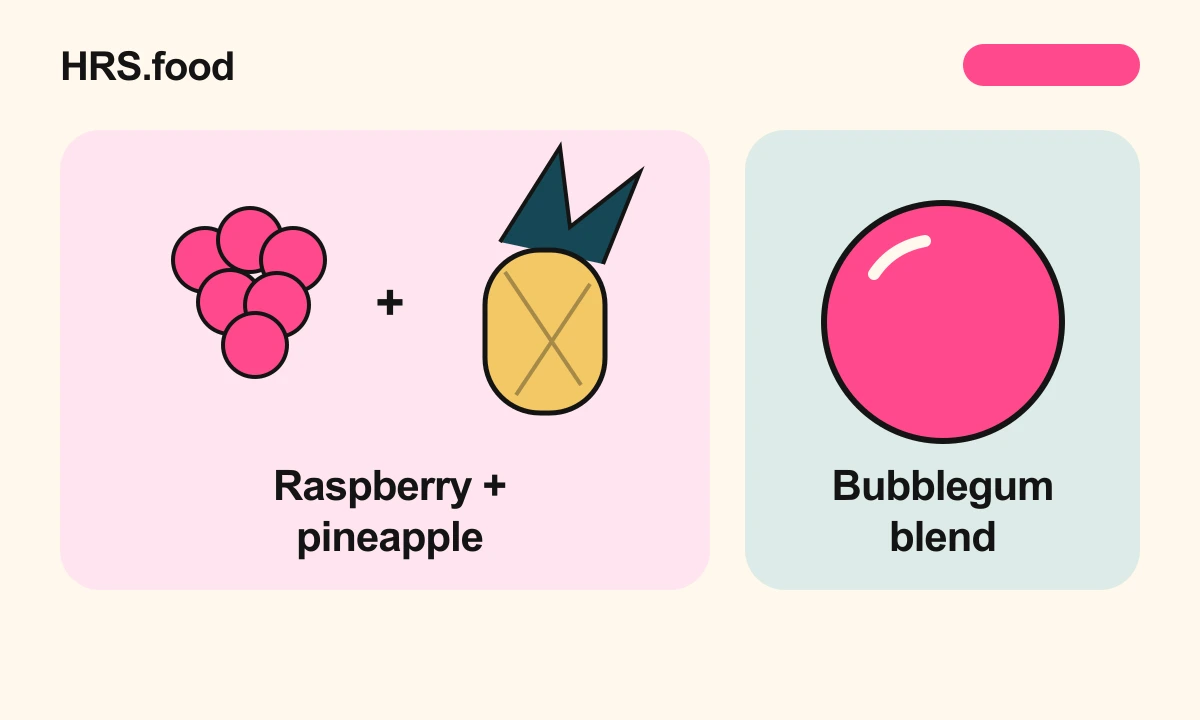
Classic Barratt Fruit Salad chews are raspberry and pineapple flavour. Bubblegum is a different flavour blend. Learn how to tell the sweets apart.
Read the guide →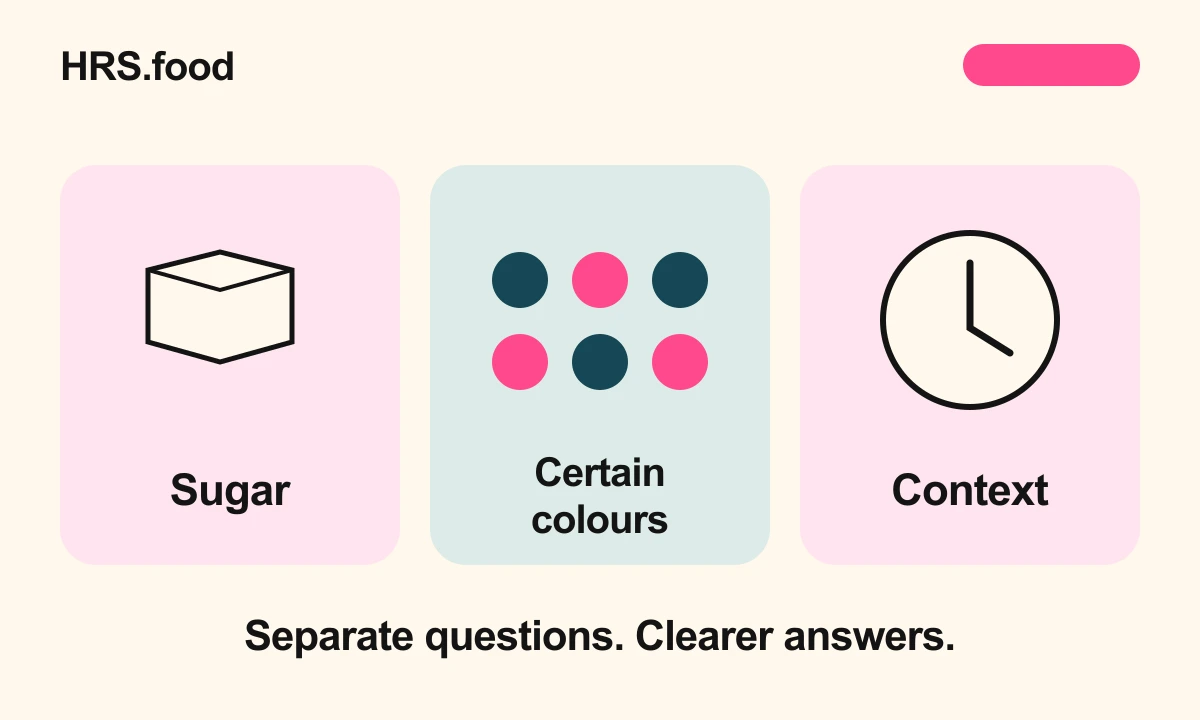
Research does not support the usual sugar-rush claim. Understand the evidence, the separate issue of food colours and when to ask for advice.
Read the guide →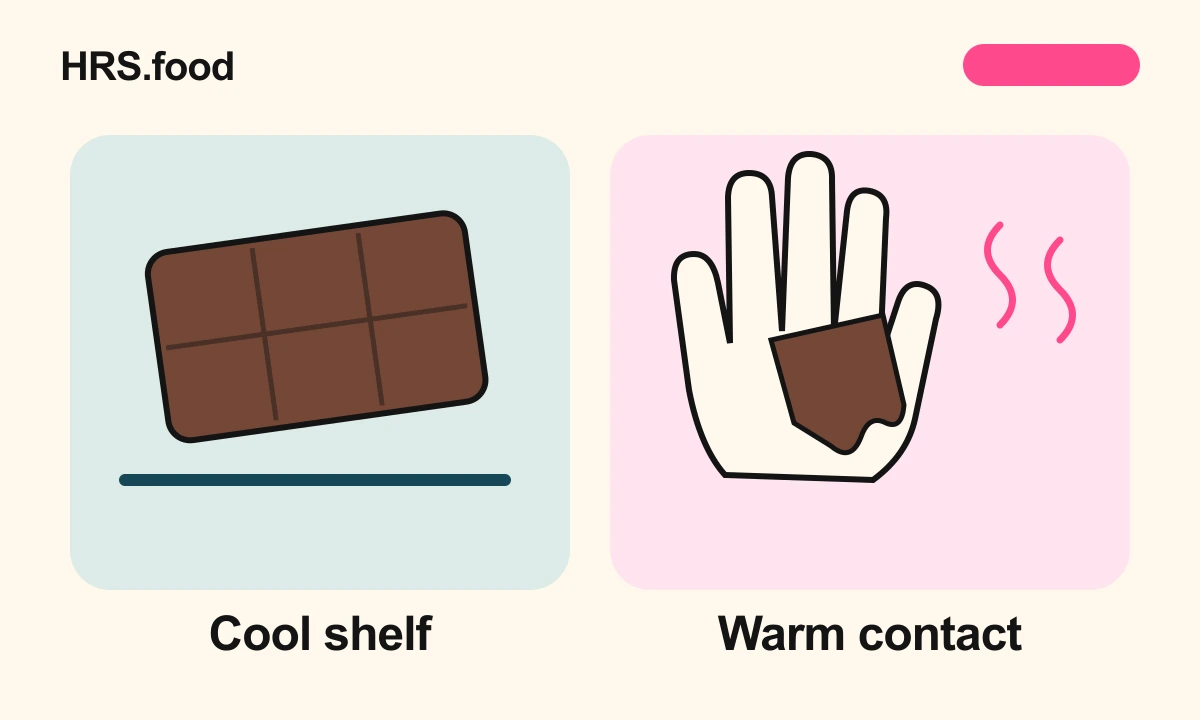
Chocolate softens as warmth changes its cocoa-butter crystals. Discover how temperature, tempering and contact explain melting in your hand.
Read the guide →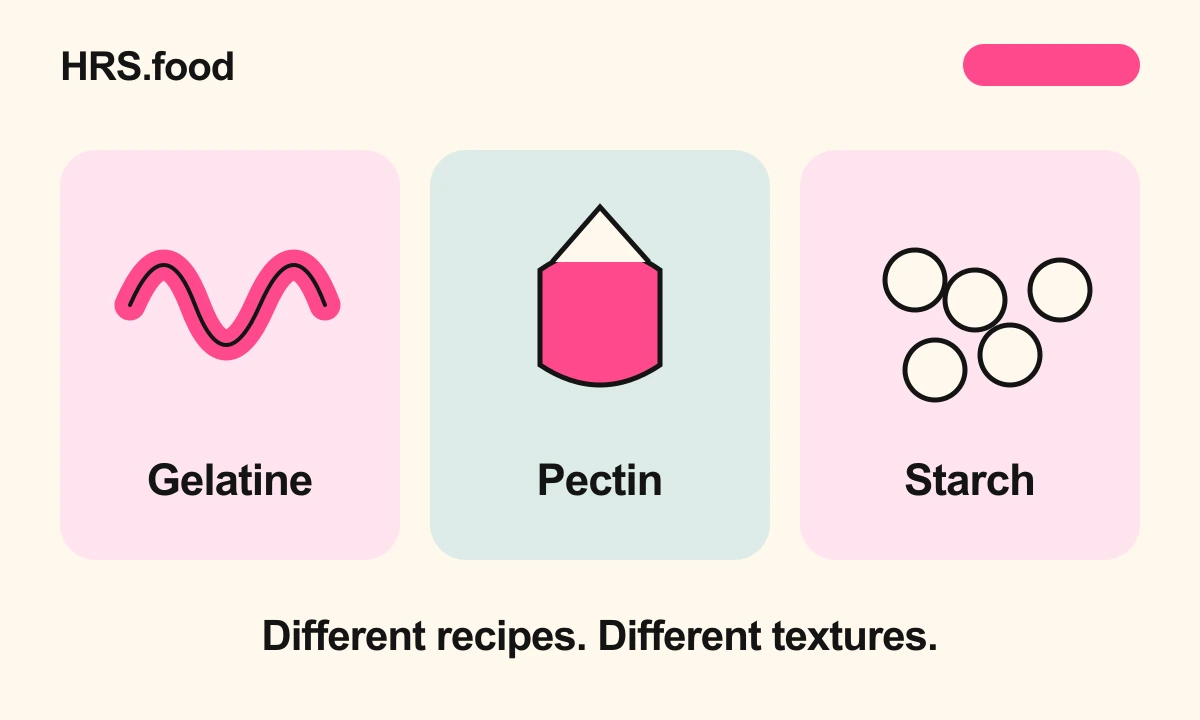
Gelatine gives many gummies their elastic chew. Compare it with pectin and starch, understand gelatin spelling and check vegan or halal requirements properly.
Read the guide →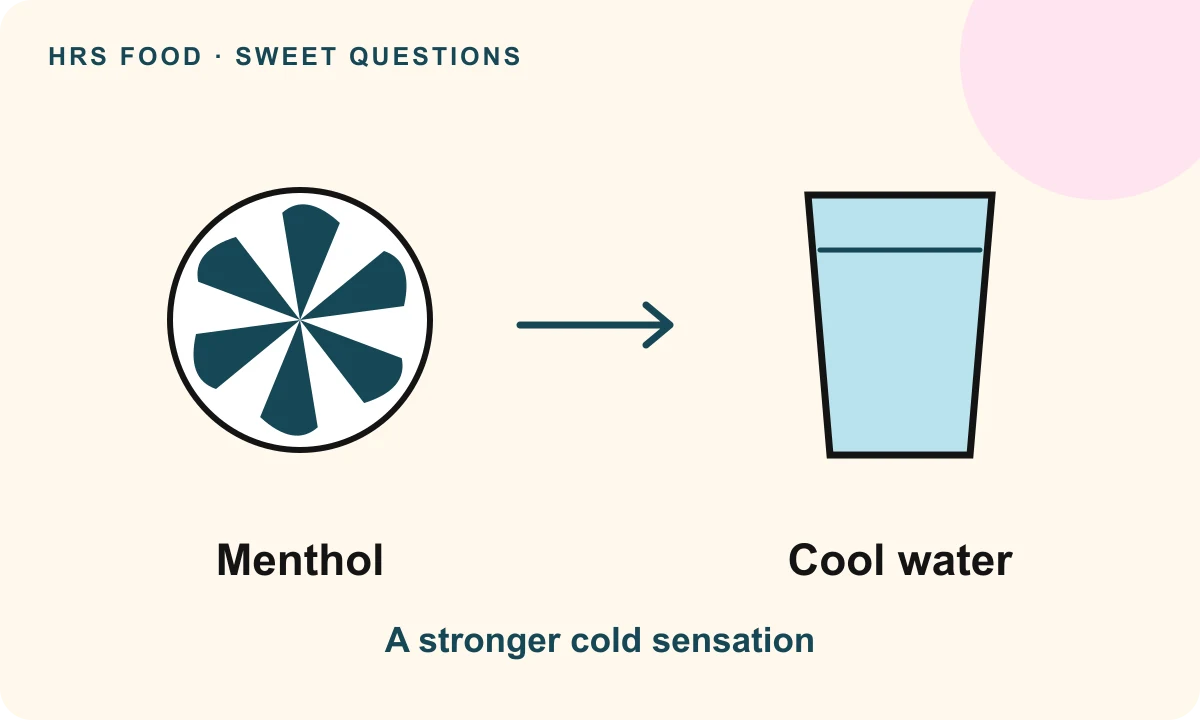
Why does water feel freezing after a mint? Learn how menthol affects cold sensing, with simple diagrams explaining temperature versus sensation.
Read the guide →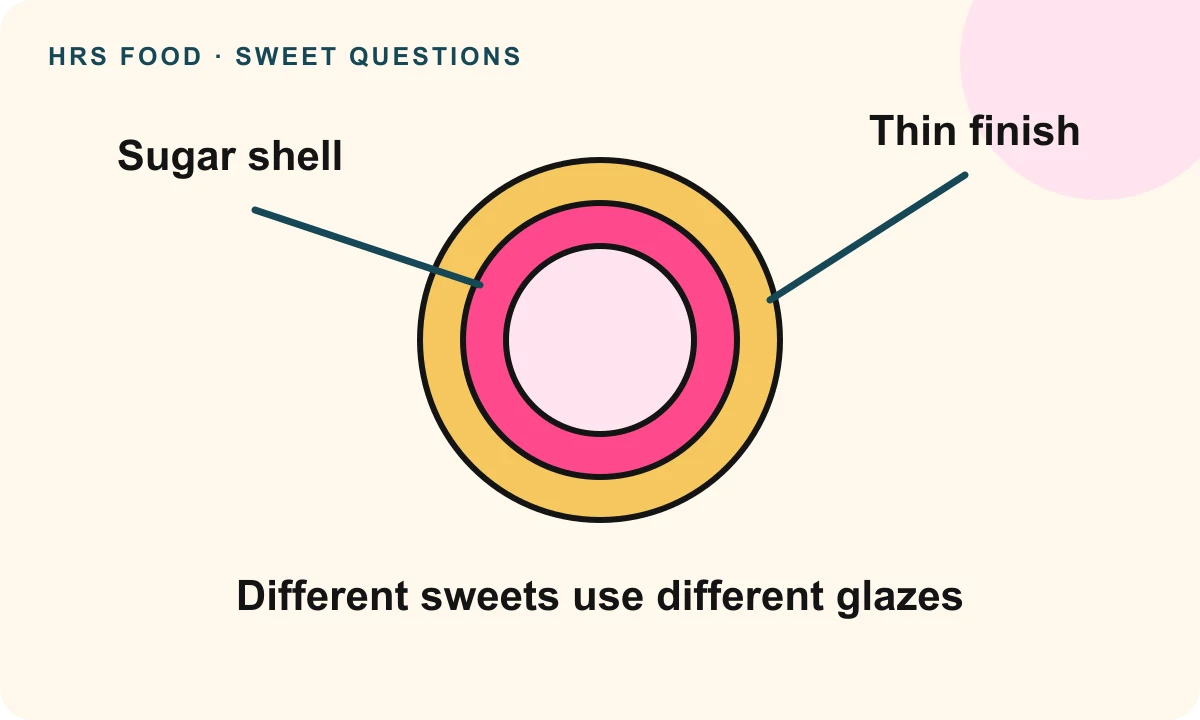
Discover what makes jelly beans and Skittles shiny, how carnauba wax differs from shellac, and why the exact product label matters.
Read the guide →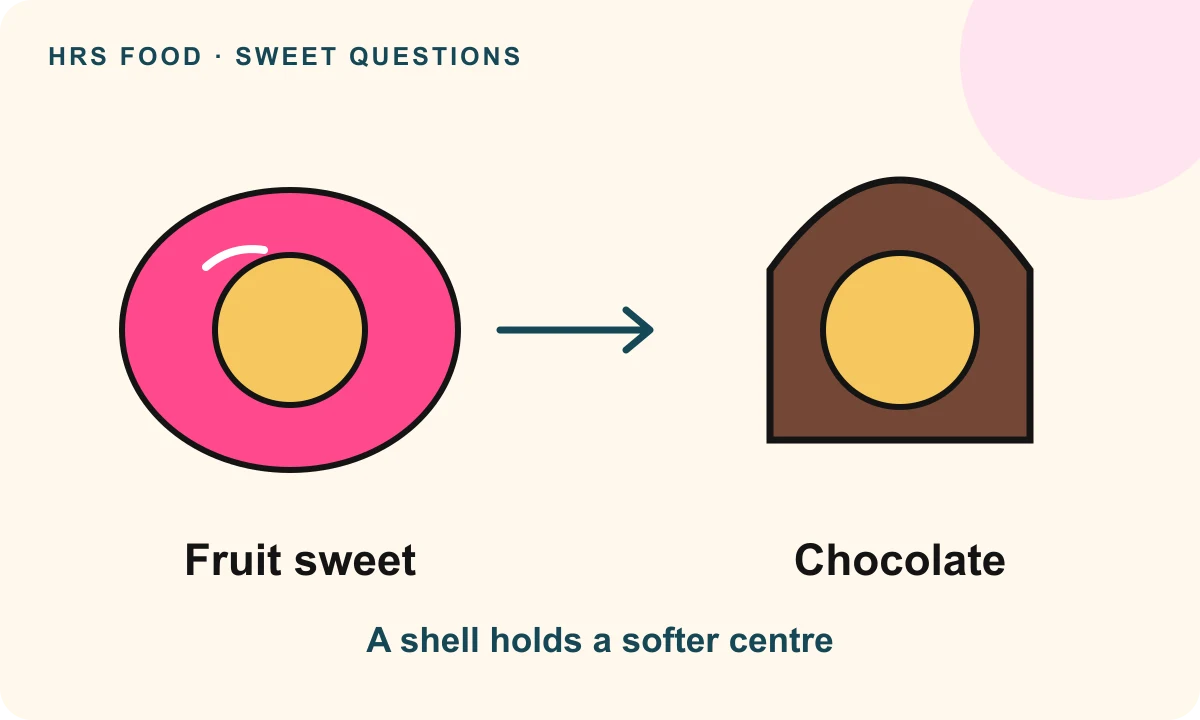
How do liquid centres get inside sweets and liqueur chocolates? See filling, co-depositing and sugar-crust methods explained with clear diagrams.
Read the guide →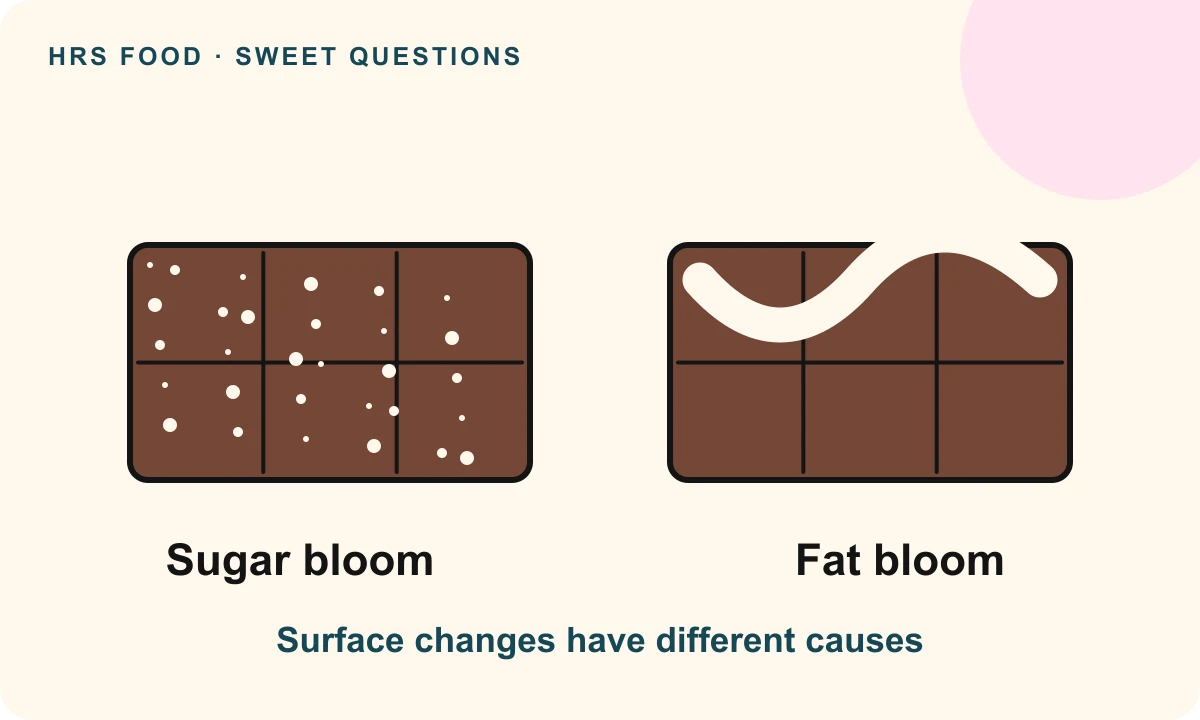
Why does chocolate turn white? Compare fat bloom and sugar bloom, understand storage mistakes and learn why appearance alone cannot prove safety.
Read the guide →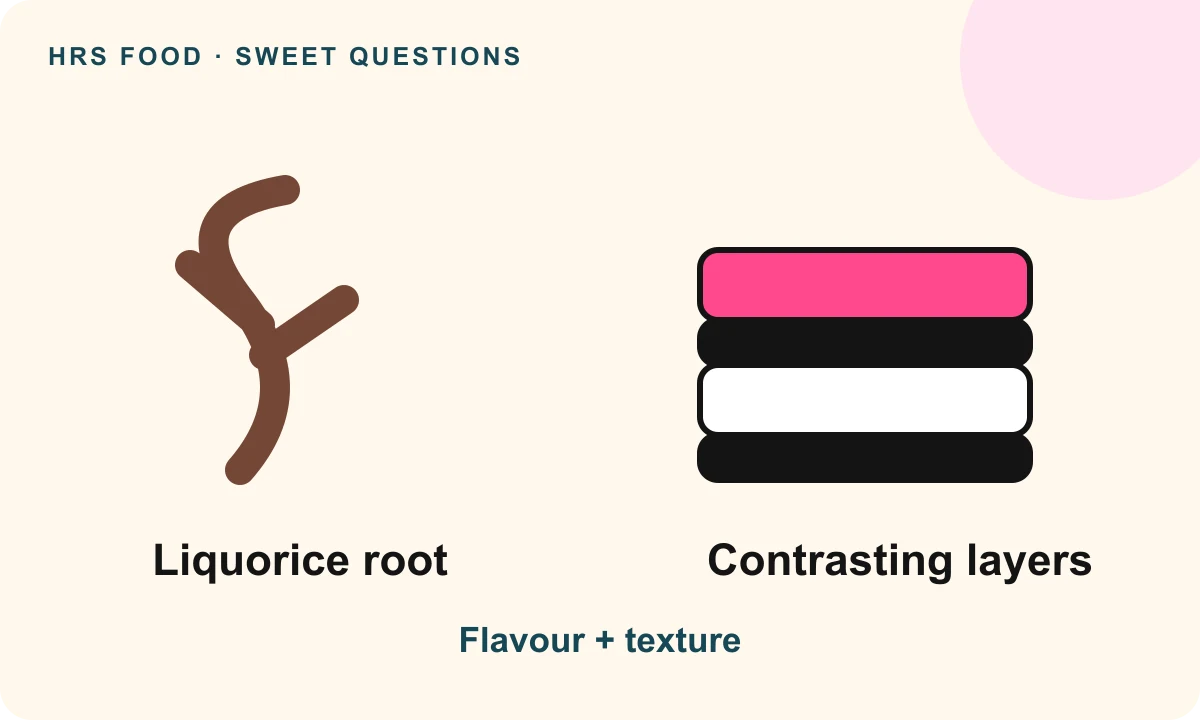
Why do Liquorice Allsorts taste distinctive? Explore liquorice root, coconut, sweet layers and texture, with a clear distinction between liquorice and aniseed.
Read the guide →
Why are some sweets not vegetarian? Understand gelatine, colours and glazes, and the difference between vegetarian, vegan and allergen labels.
Read the guide →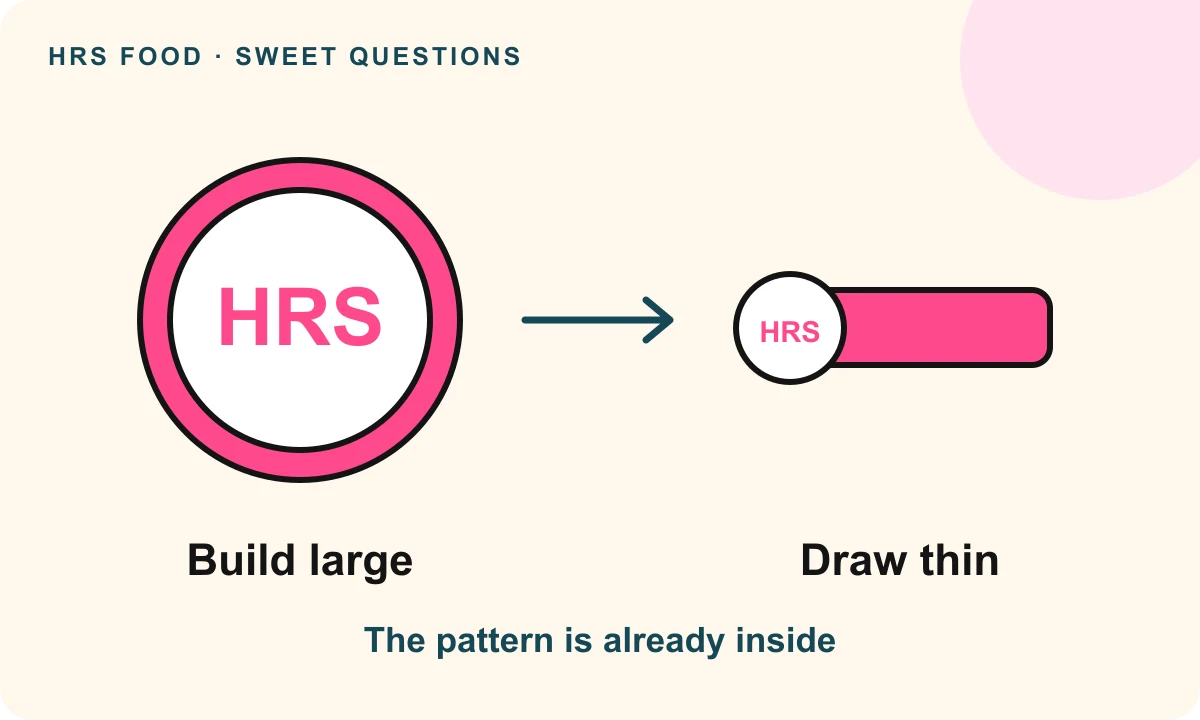
How do letters run through a stick of rock? See how sugar letters are built large, pulled thin and revealed in every slice of seaside rock.
Read the guide →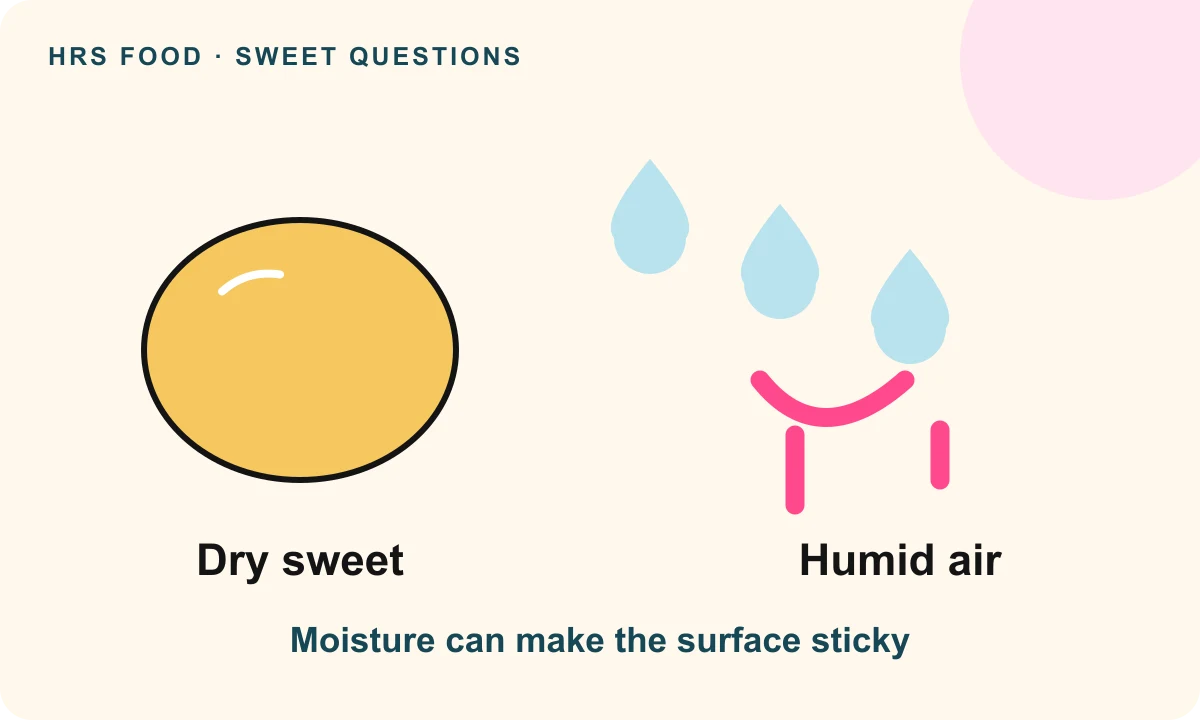
Why do sweets get sticky? Learn how humidity, sugar structure and warmth affect candy, with practical advice for storing an opened packet.
Read the guide →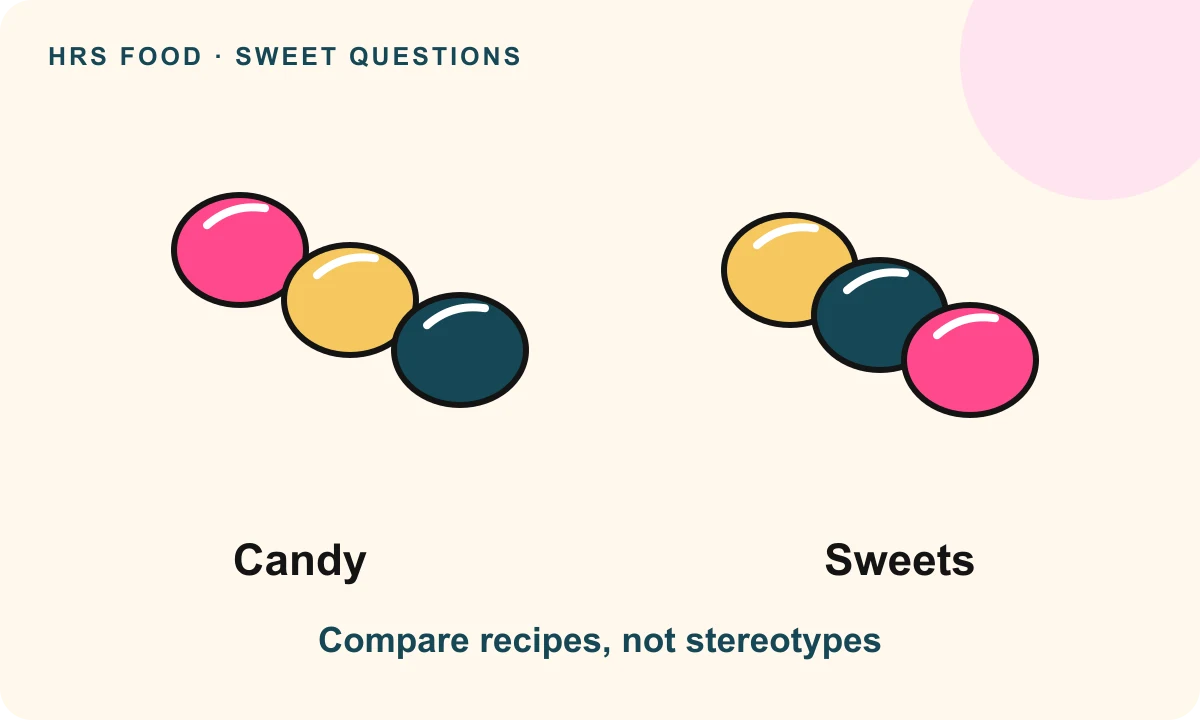
American candy vs British sweets: compare vocabulary, recipes, chocolate standards and product names without national flavour stereotypes.
Read the guide →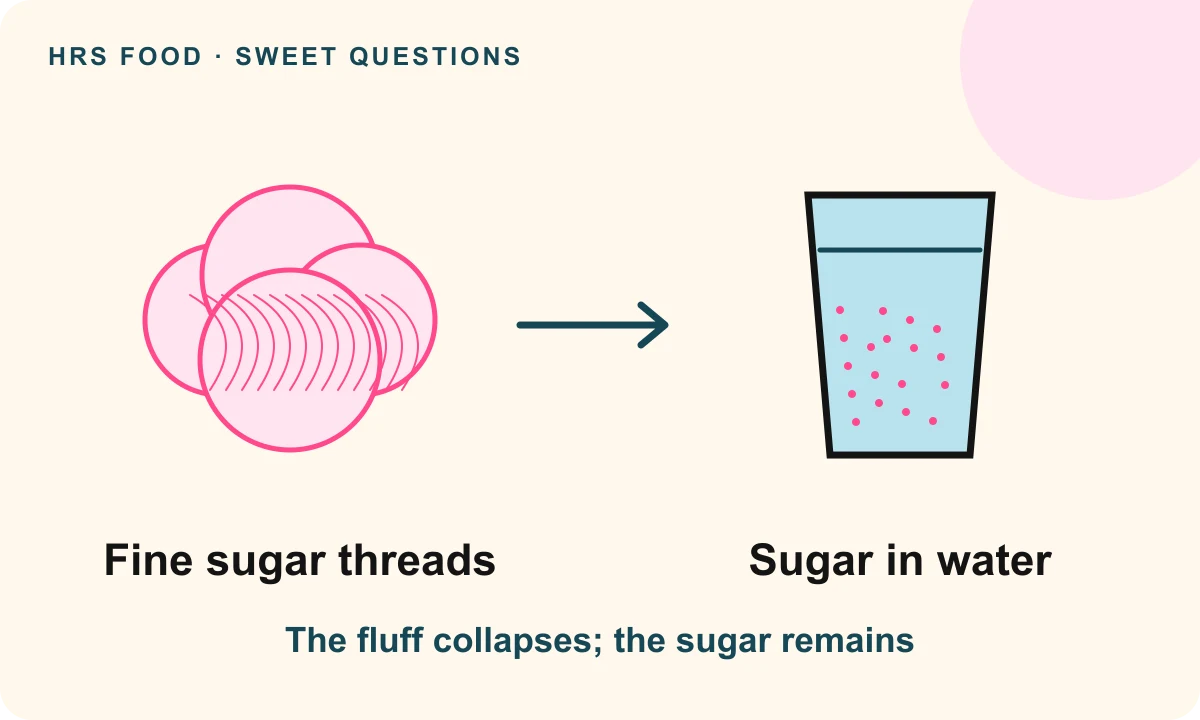
Why does candy floss disappear in water? See how fine sugar threads dissolve, why its fluffy volume collapses and where the sugar goes.
Read the guide →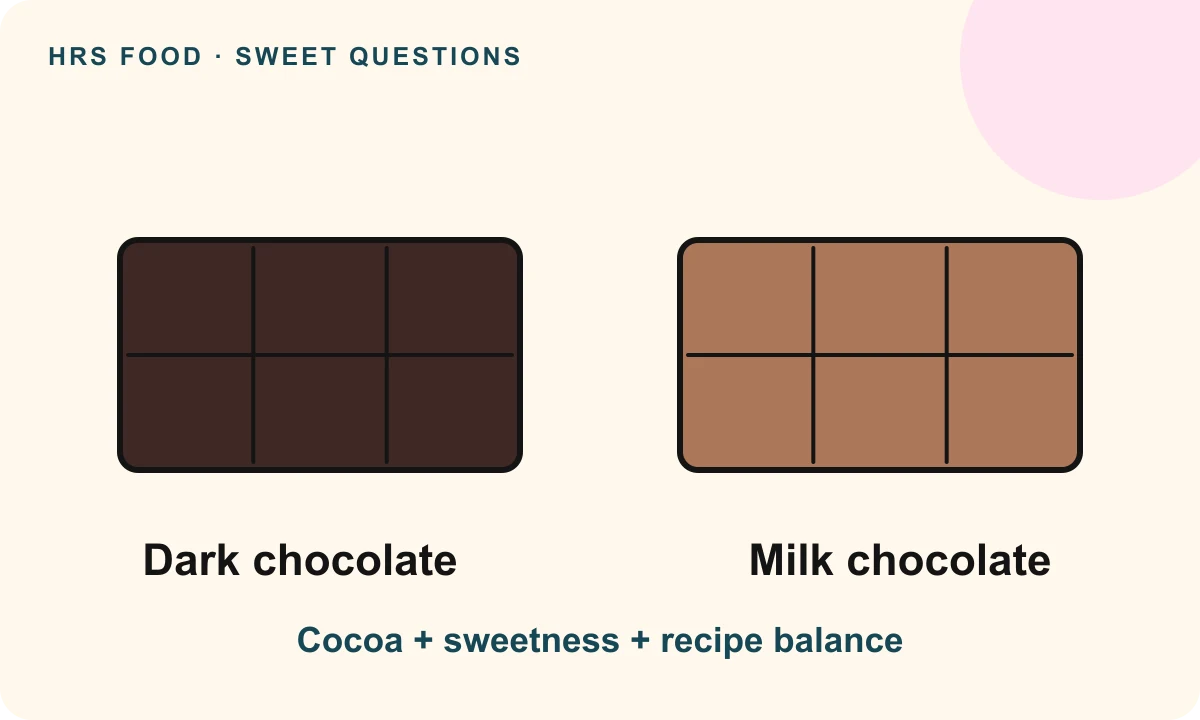
Why is dark chocolate bitter compared with milk chocolate? Explore cocoa compounds, sweetness and why cocoa percentage cannot predict the whole flavour.
Read the guide →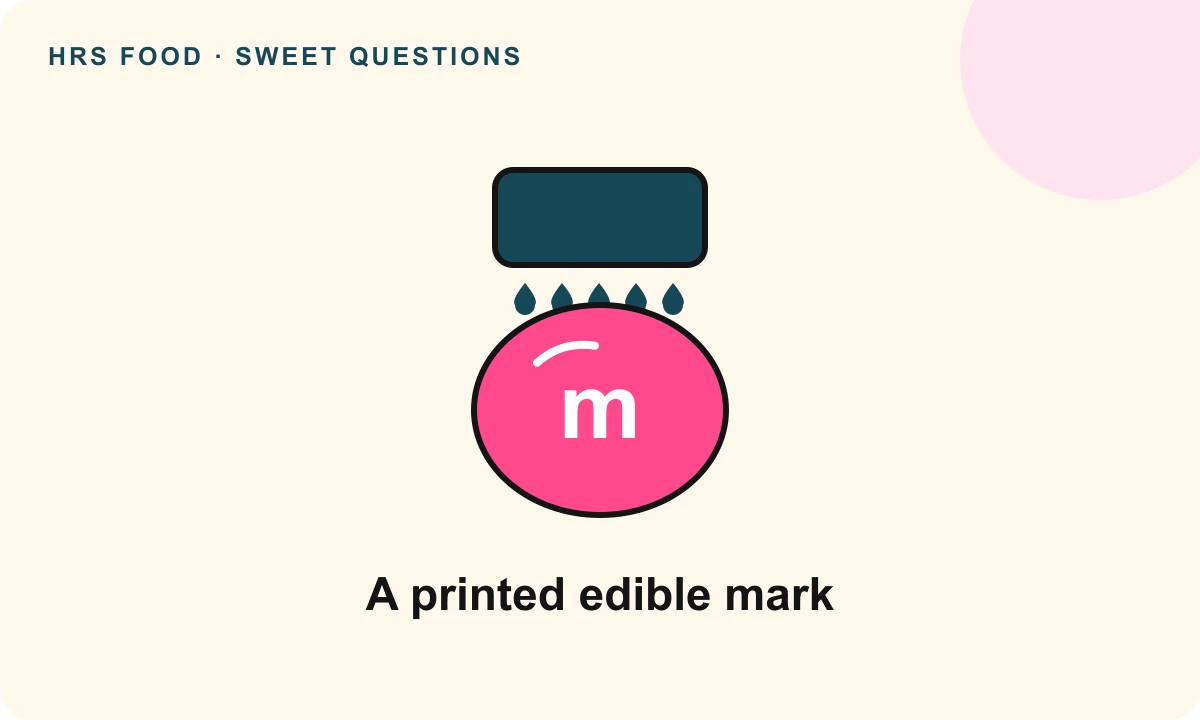
How is the M printed on M&M’s? Discover edible inks, contact printing and inkjet, plus why the Smarties comparison needs a separate answer.
Read the guide →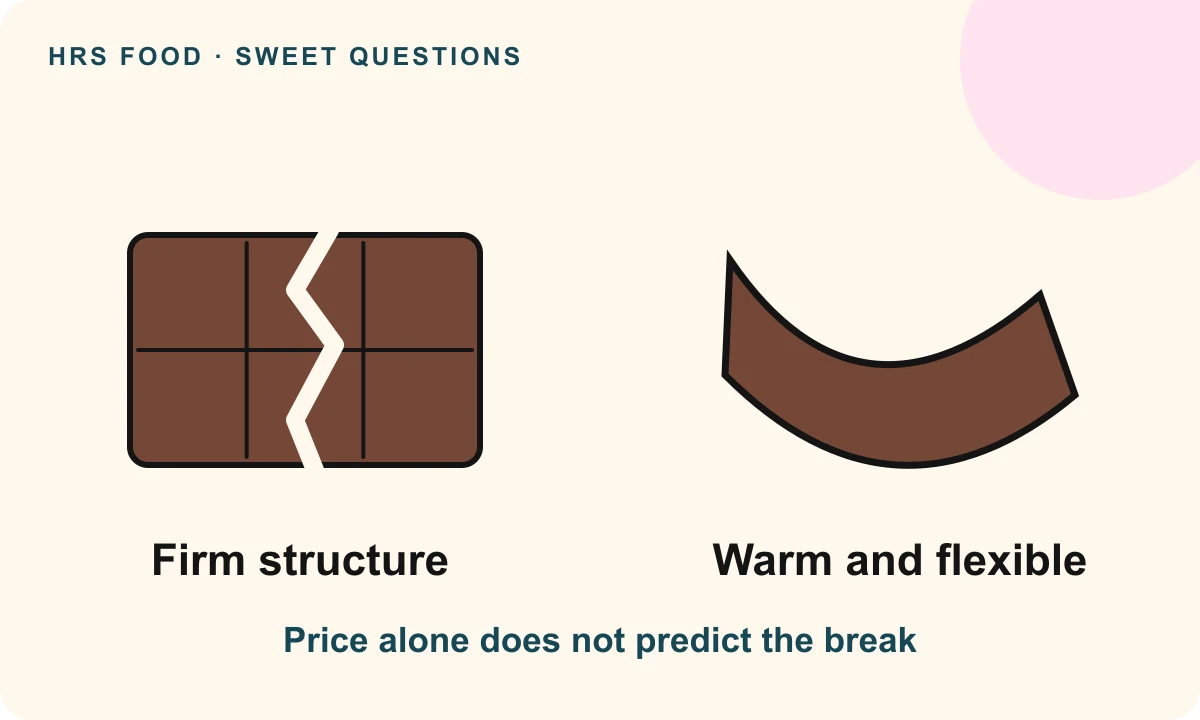
Why does chocolate snap, bend or crumble? Understand tempering, temperature and bar thickness, and why price alone does not explain the break.
Read the guide →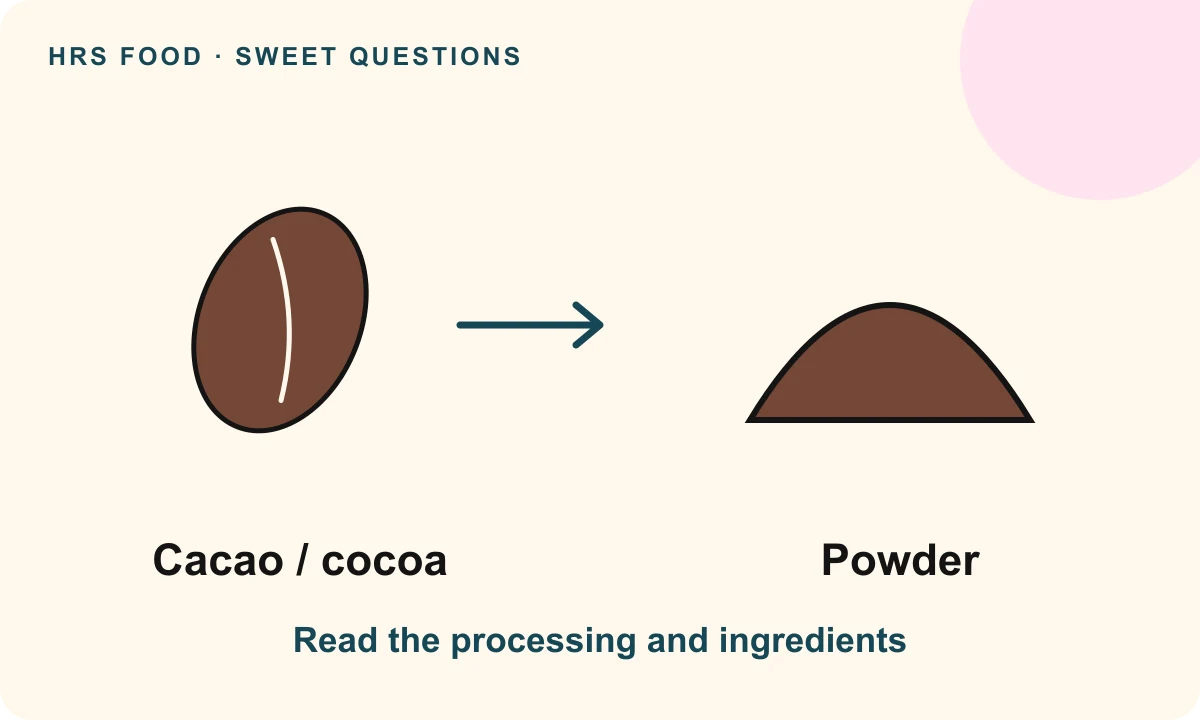
Cacao vs cocoa: understand how the words are used, why cacao does not always mean raw, and what to check when buying cocoa powder for baking.
Read the guide →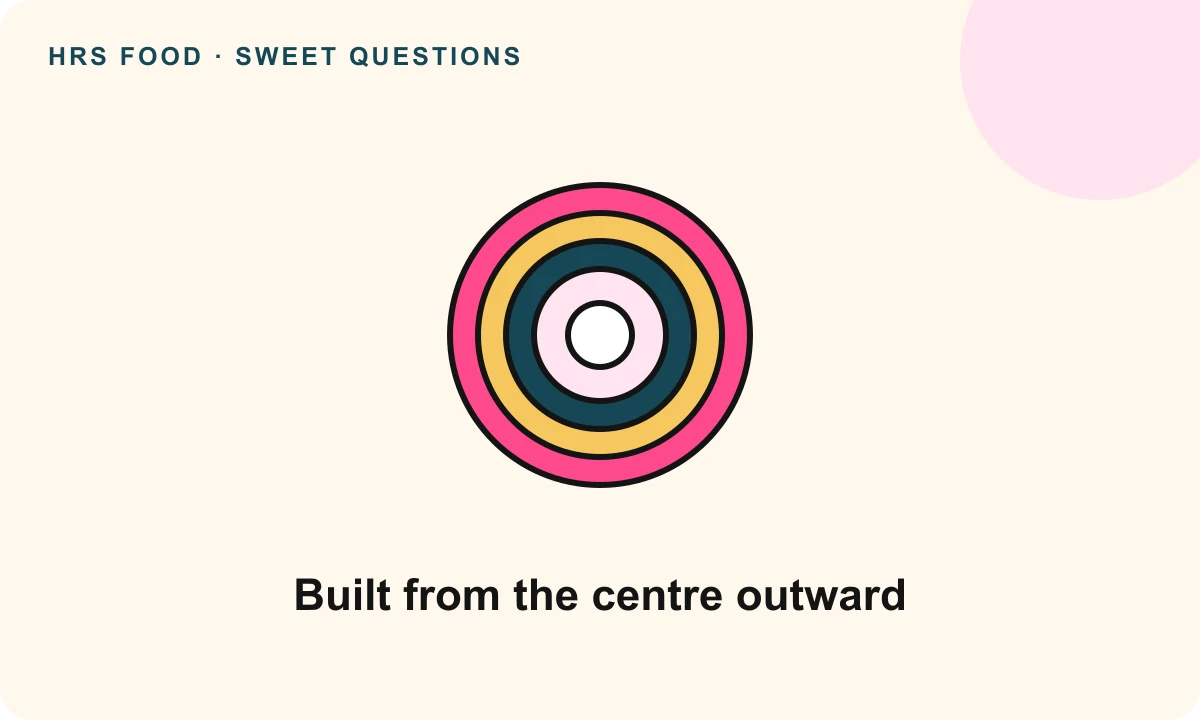
How are gobstopper and jawbreaker layers made? See how sugar panning builds coloured rings around a small centre, one coating stage at a time.
Read the guide →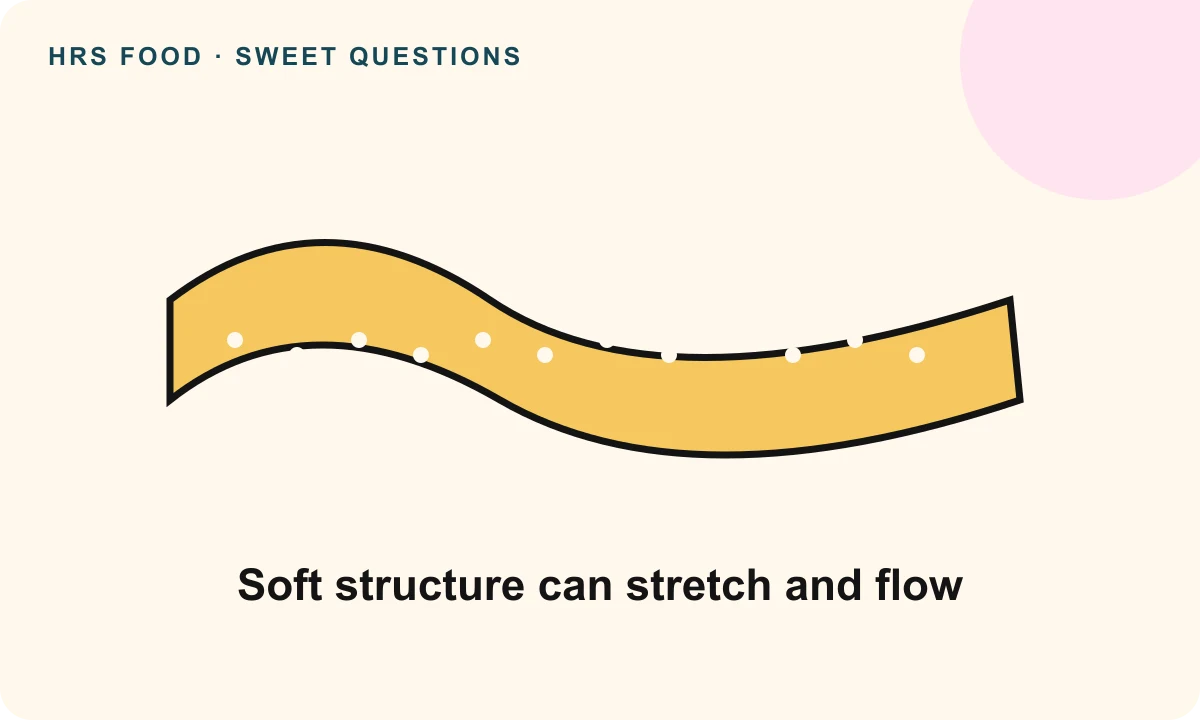
Why do taffy and caramel stretch? Understand moisture, temperature and viscoelastic texture, plus what pulling or whipping does to taffy.
Read the guide →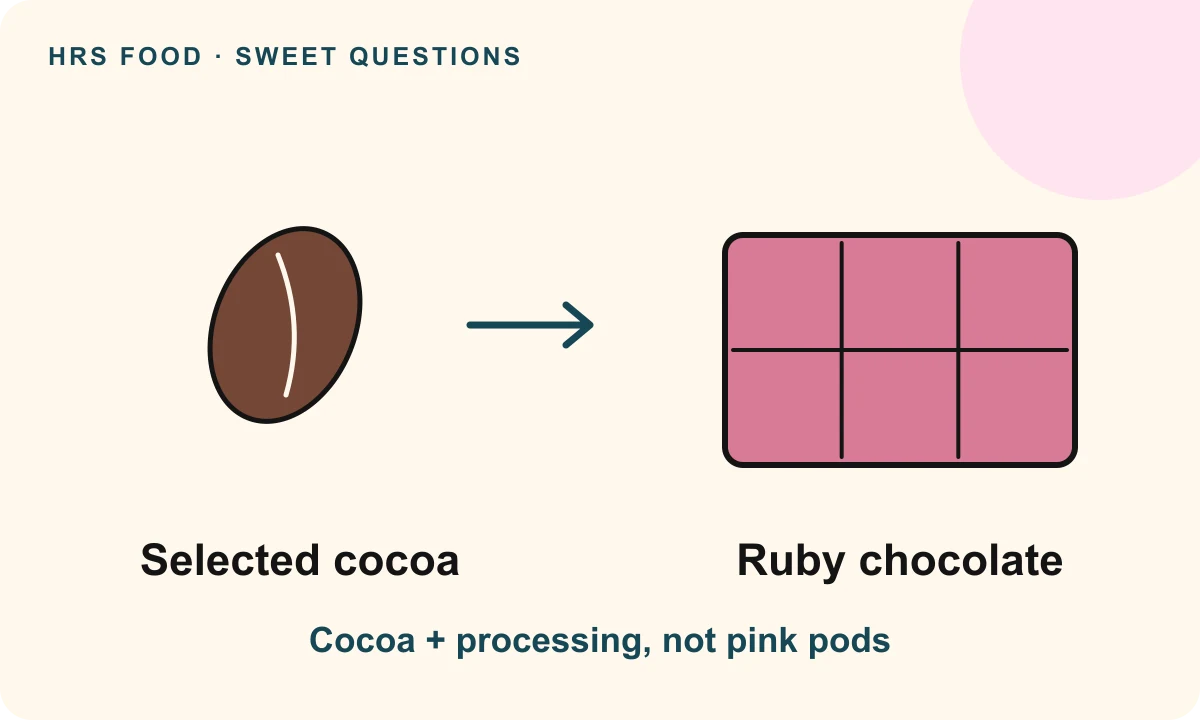
What is ruby chocolate, and is it naturally pink? Explore the maker’s cocoa and processing explanation, fruity taste and no-added-colour claim.
Read the guide →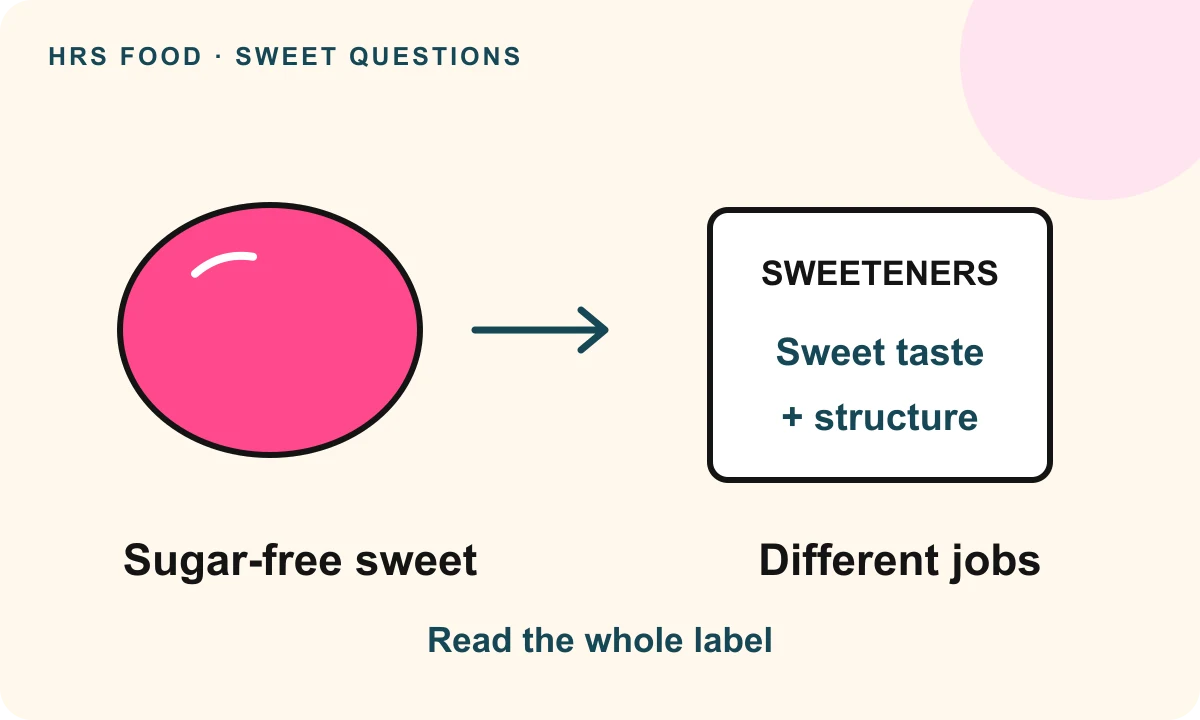
How do sugar-free sweets taste sweet? Compare sweeteners and polyols, sugar-free versus no added sugar, and the reason for laxative warnings.
Read the guide →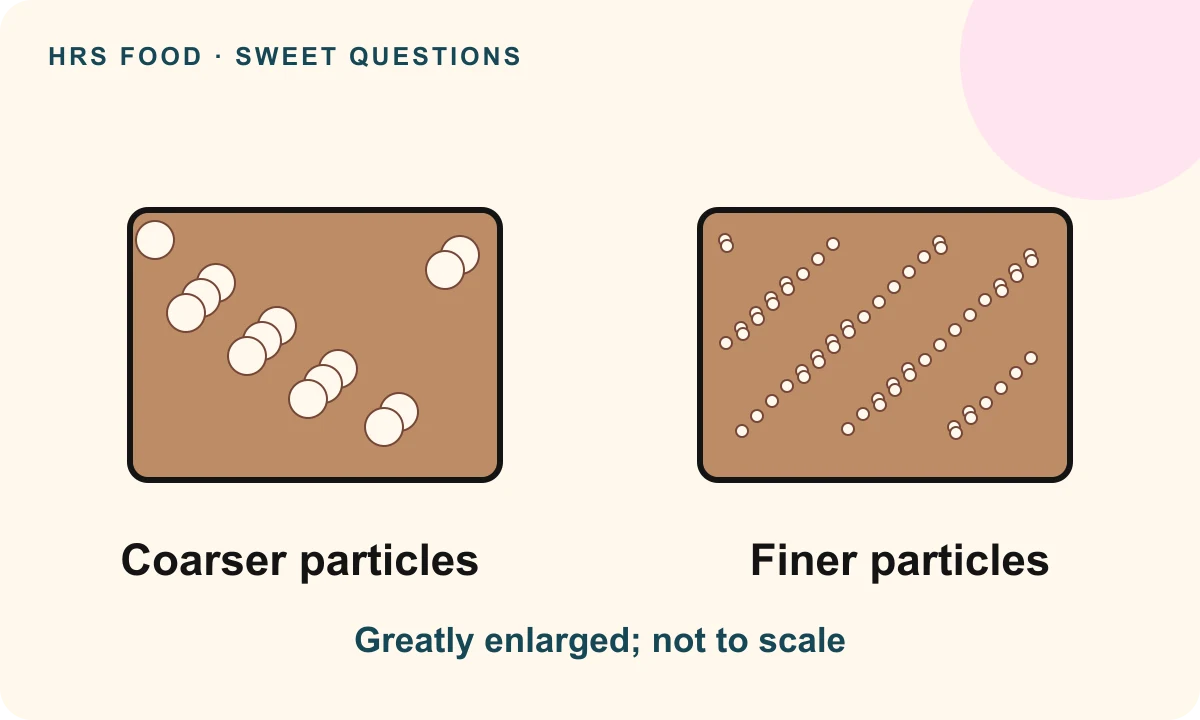
What makes chocolate smooth or gritty? Discover particle size, refining, conching and the fat phase, and why premium prices do not guarantee smoothness.
Read the guide →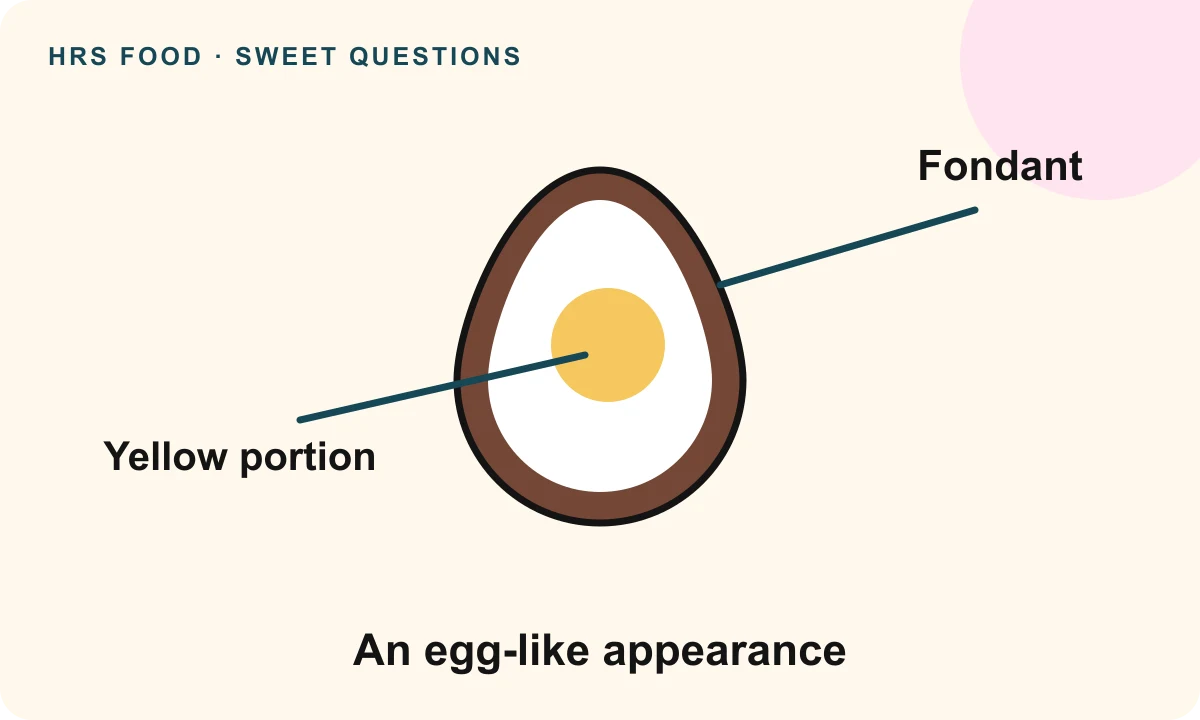
How is Cadbury Creme Egg filling made? See how white and yellow fondant create the egg effect, how the halves join and why the UK recipe is not egg-free.
Read the guide →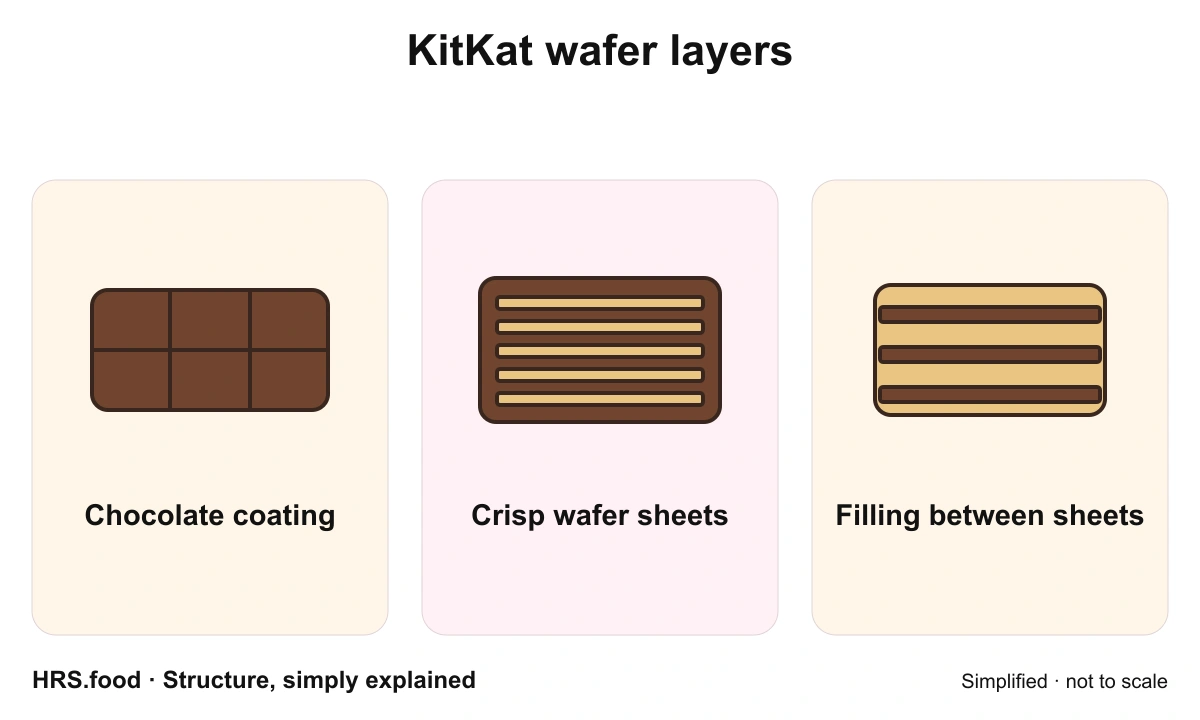
Explore the wafer and chocolate inside KitKat, compare 4 Finger with Chunky, and understand why the layers give a crisp bite.
Read the guide →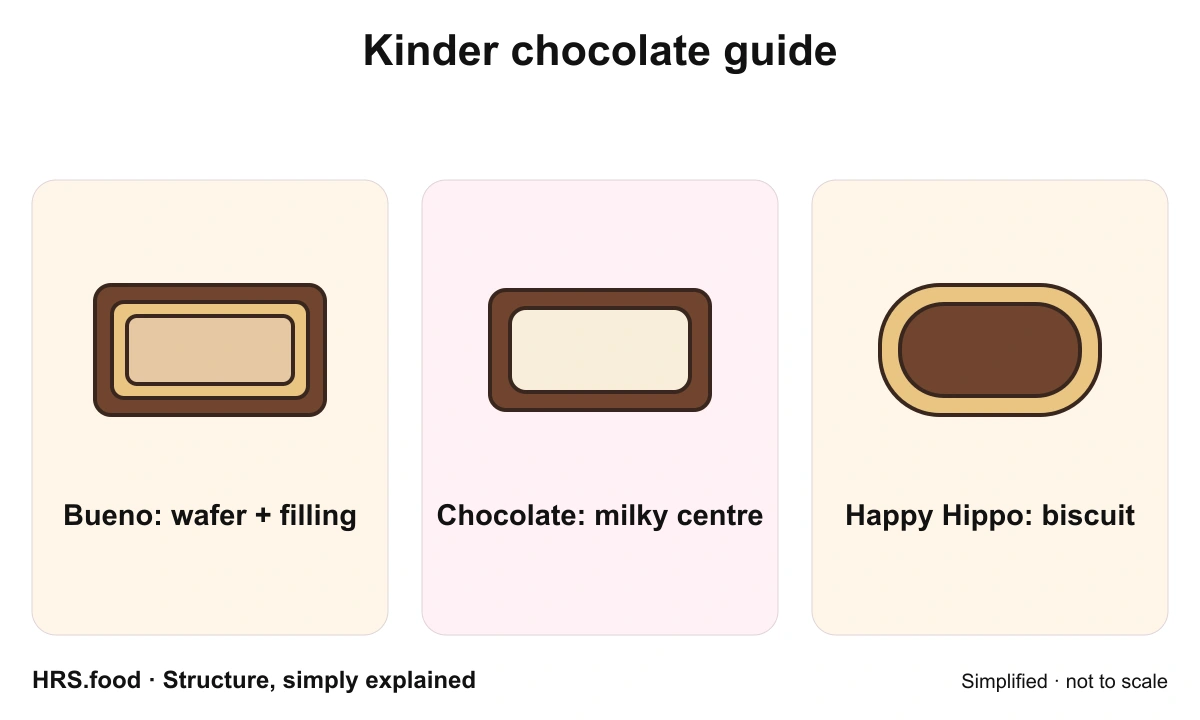
Compare Kinder Bueno, Kinder Chocolate and Happy Hippo: wafer, fillings, chocolate coatings and the pack details worth checking.
Read the guide →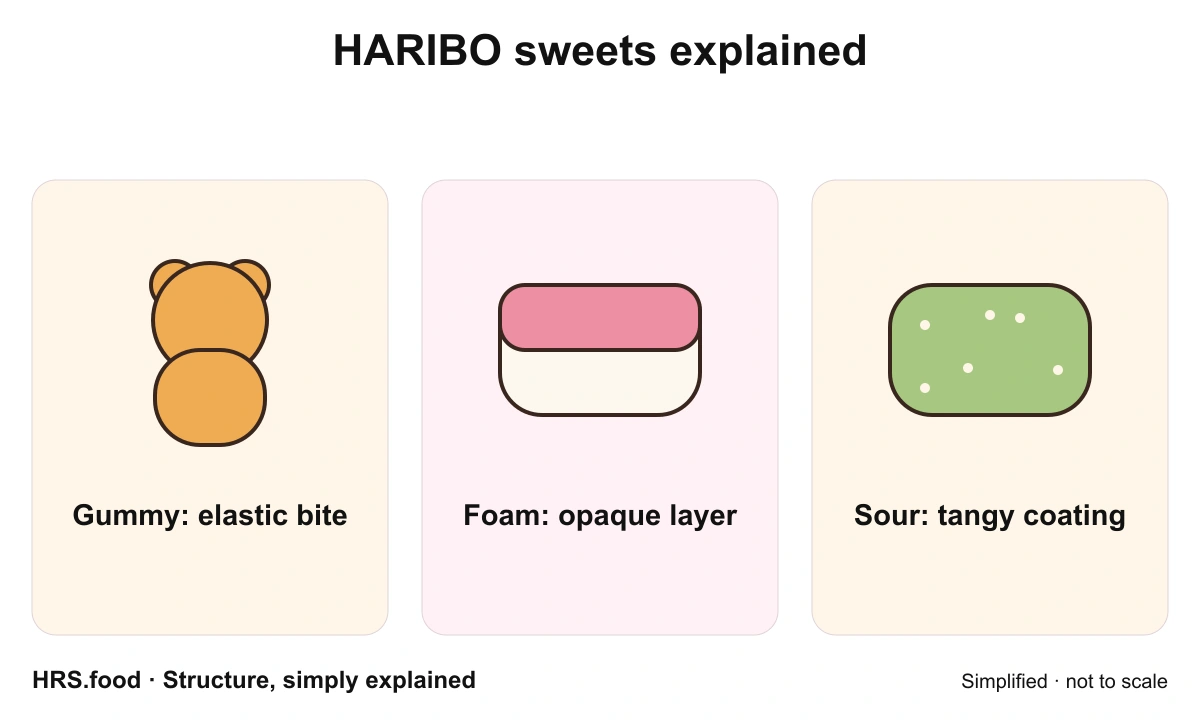
Compare HARIBO Starmix and Tangfastics, understand gummy and foam textures, and check the right pack before buying.
Read the guide →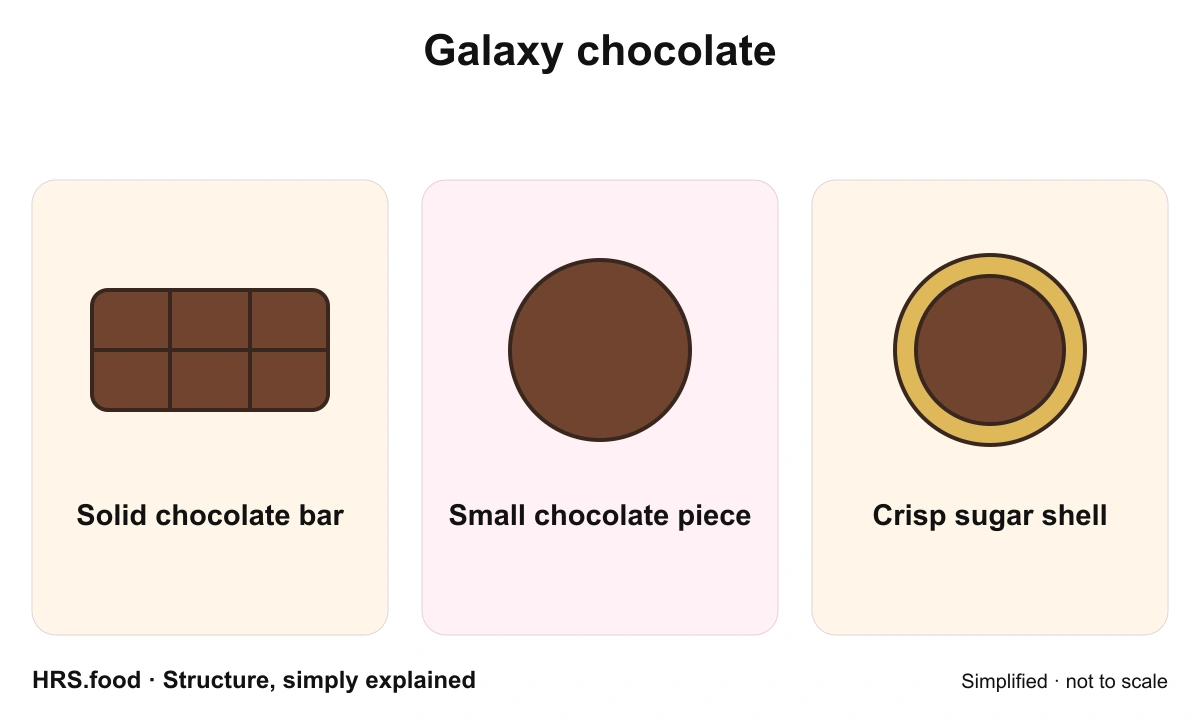
Explore Galaxy Smooth Milk and compare it with Counters and Minstrels. Learn how chocolate texture differs from a crisp sugar shell.
Read the guide →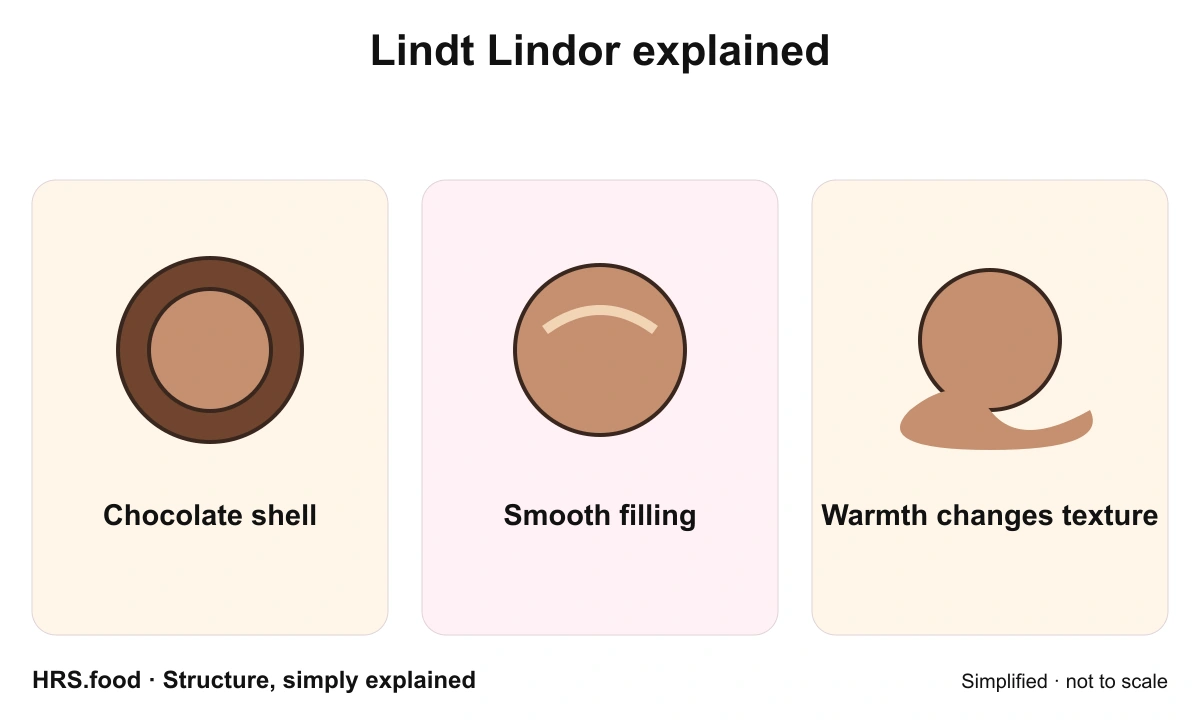
Discover the difference between a Lindor chocolate shell and its smooth filling, plus how temperature and flavour variants change the experience.
Read the guide →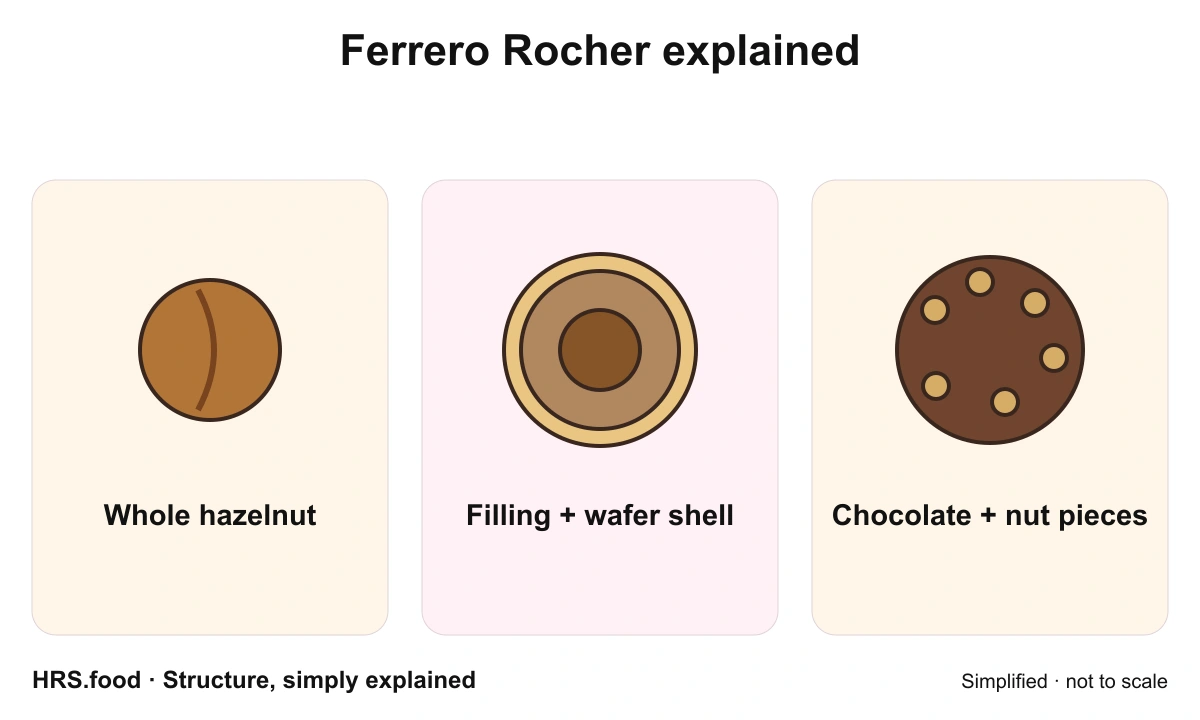
See Ferrero Rocher’s whole hazelnut, creamy filling, wafer shell and chocolate coating in a simple illustrated guide.
Read the guide →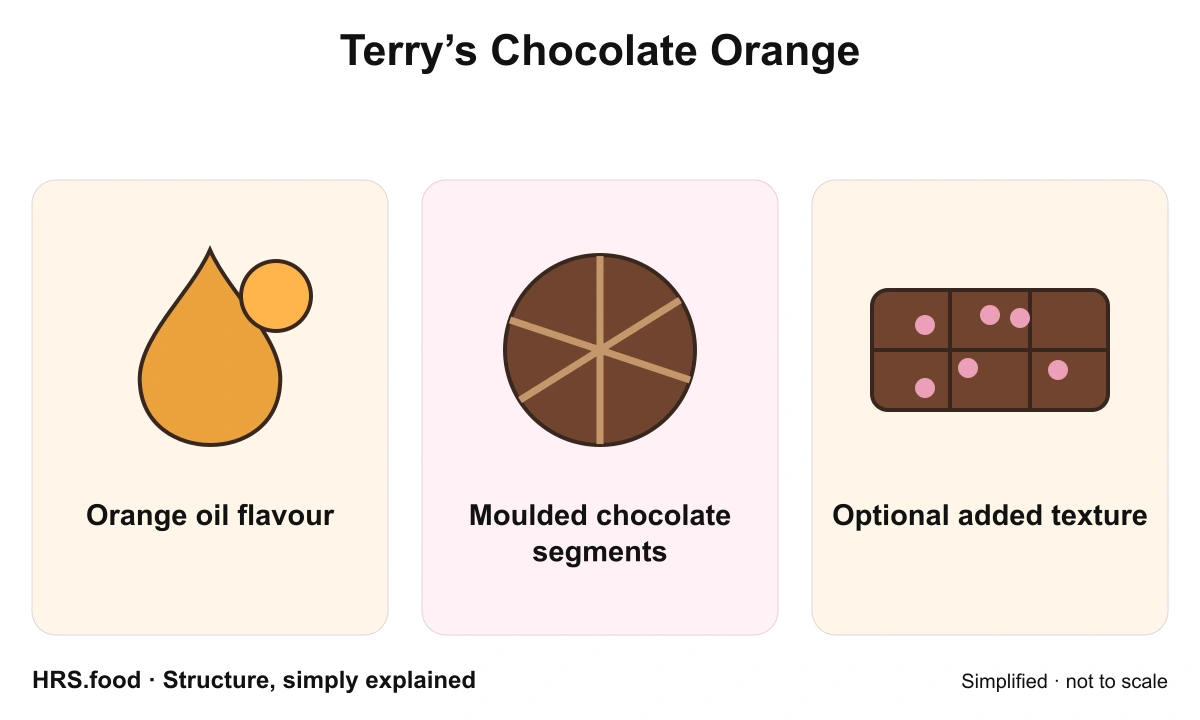
Learn how orange oil flavours Terry’s Chocolate Orange, why the segments matter and how the ball differs from bars and popping-candy minis.
Read the guide →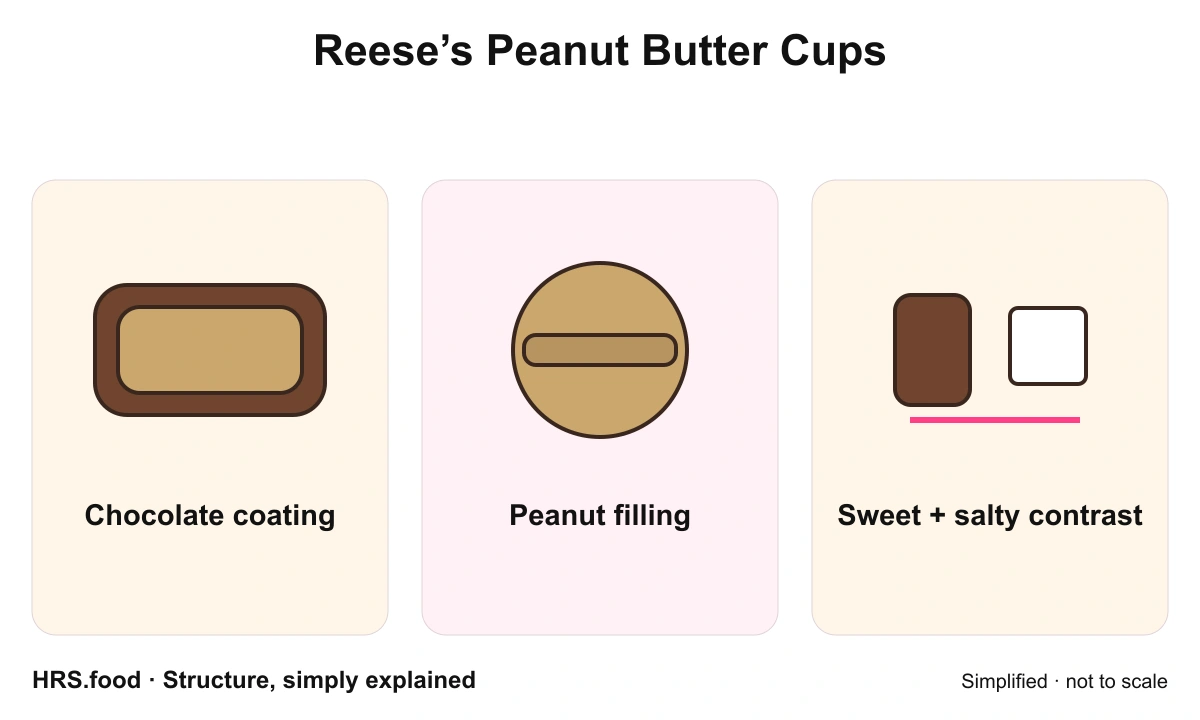
Explore the chocolate shell and peanut filling in Reese’s cups, how salt changes flavour perception, and why cup formats need separate label checks.
Read the guide →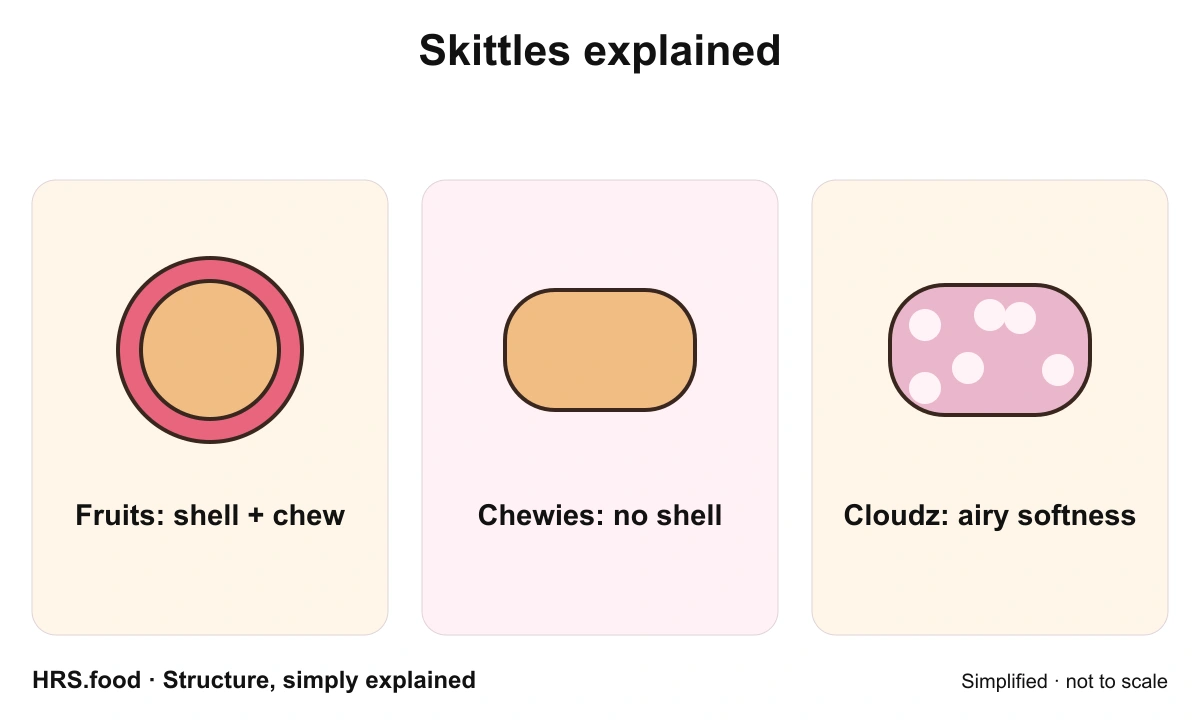
Explore Skittles’ crisp shell and chewy centre, compare Fruits with Chewies and Squishy Cloudz, and learn why recipes differ across the range.
Read the guide →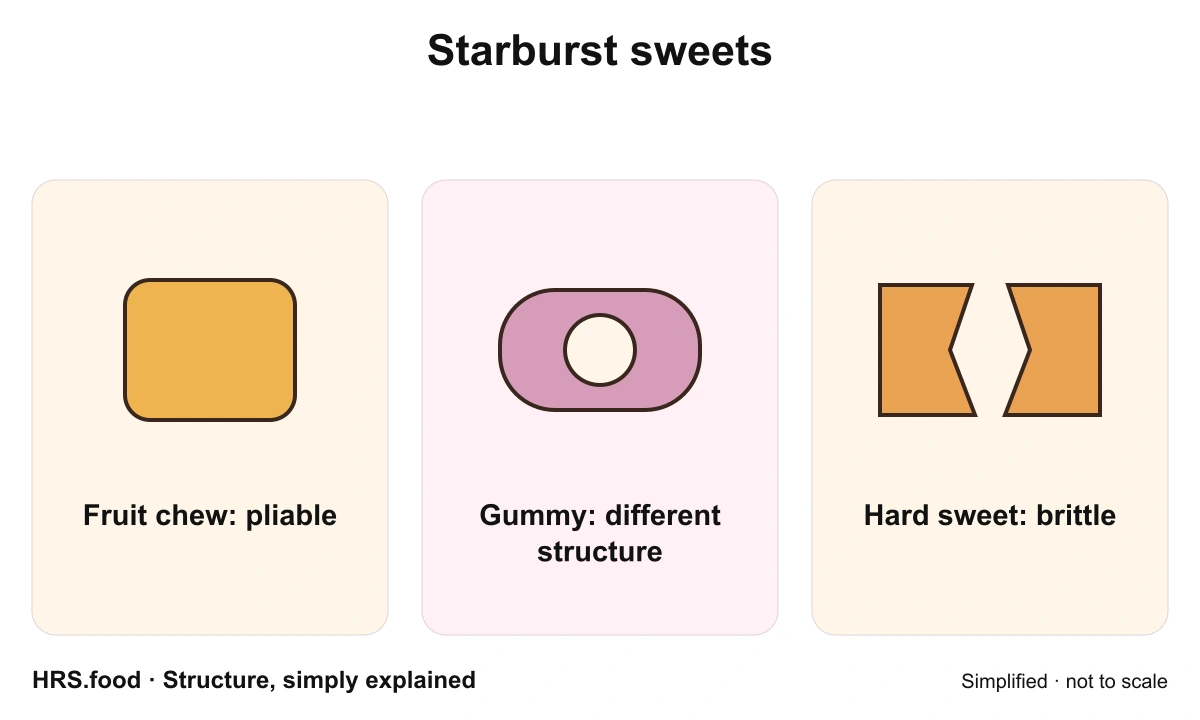
Learn what distinguishes Starburst fruit chews from gummies and hard sweets, compare pack formats, and avoid mixing up UK and US recipe information.
Read the guide →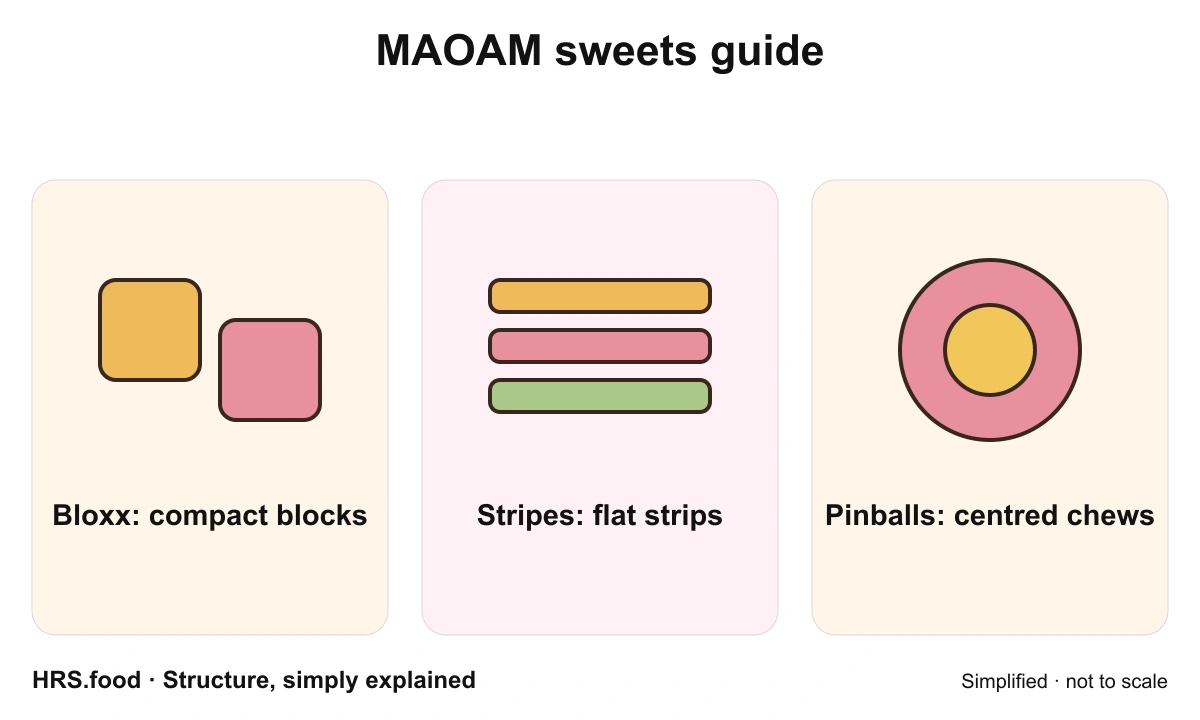
Compare MAOAM Bloxx, Stripes and Pinballs, understand their shapes and centres, and check ingredients before choosing a chewy sweet.
Read the guide →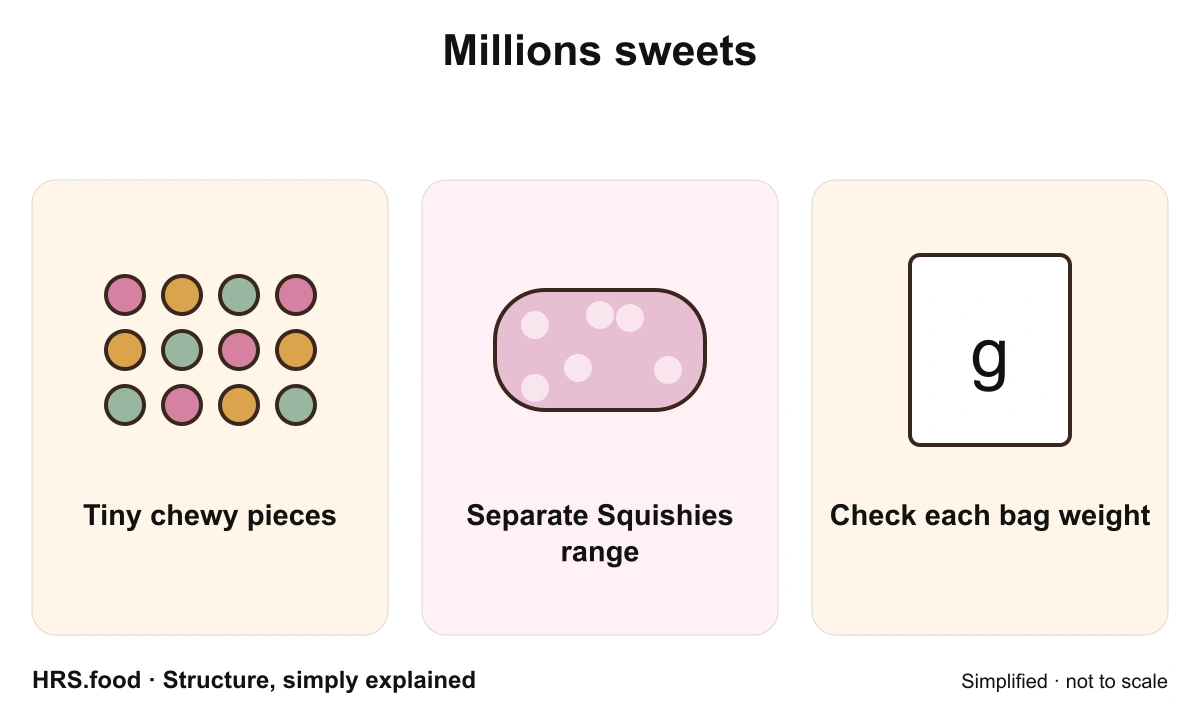
Explore classic Millions tiny chewy sweets, compare them with Millions Squishies, and understand flavour names, pack sizes and texture.
Read the guide →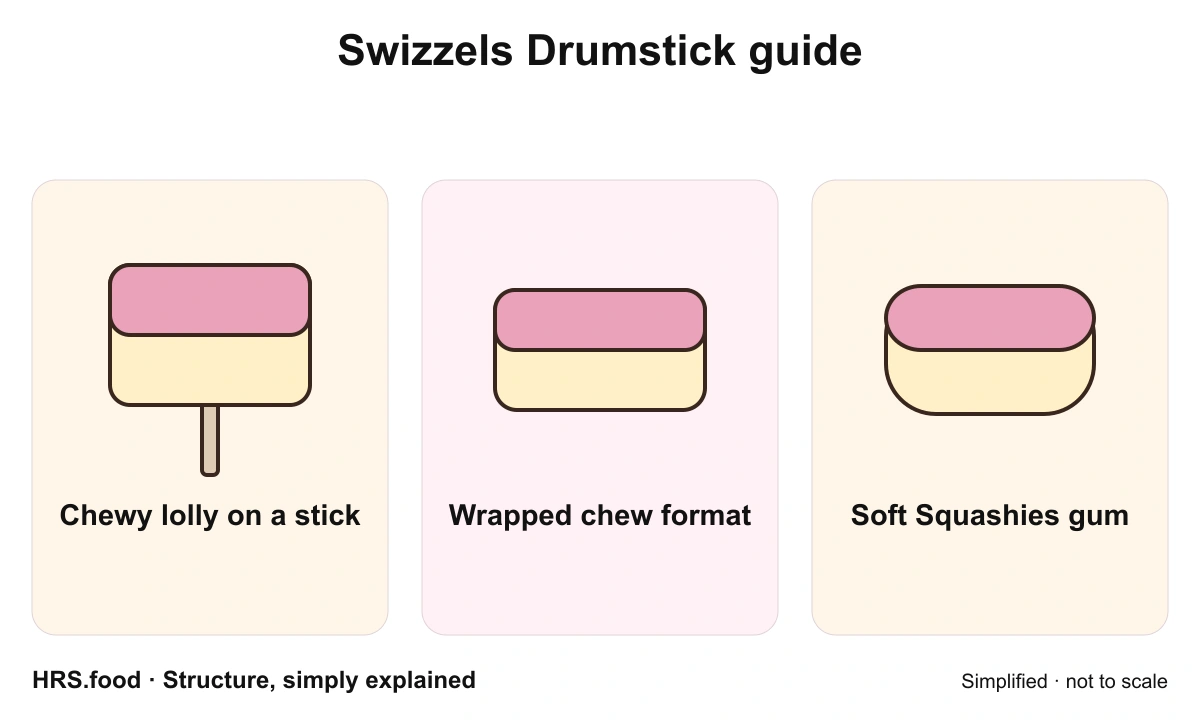
Compare Drumstick lollies, chew formats and Squashies, understand the raspberry-and-milk flavour connection and check the exact recipe.
Read the guide →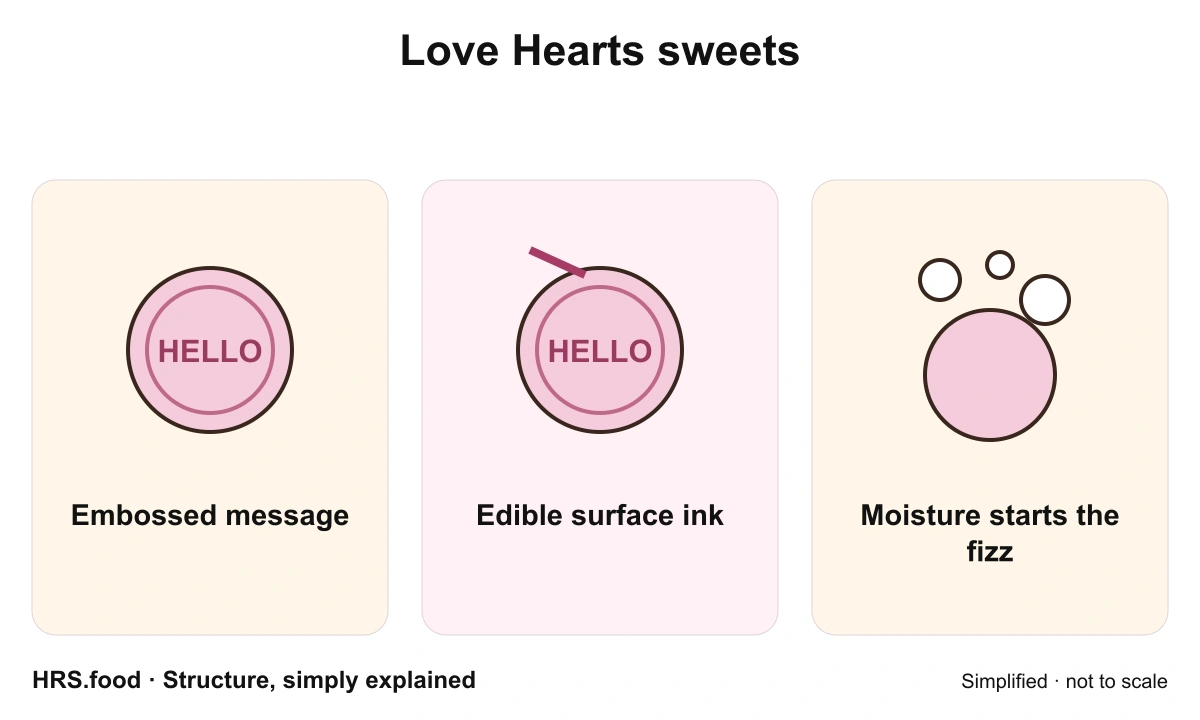
Learn what makes Love Hearts fizz, how their embossed messages differ from wrappers, and why Original rolls and Lipsticks are separate formats.
Read the guide →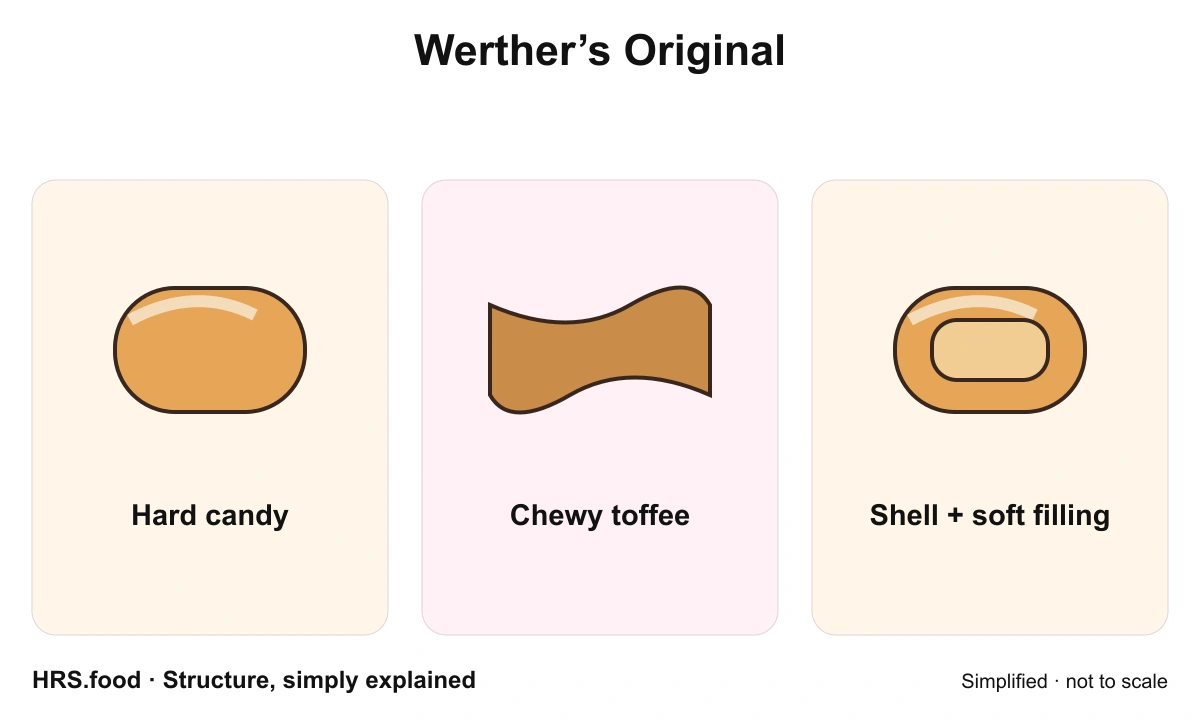
Understand Werther’s hard butter candies, creamy toffees and soft caramels, including which sweets have a separate filling.
Read the guide →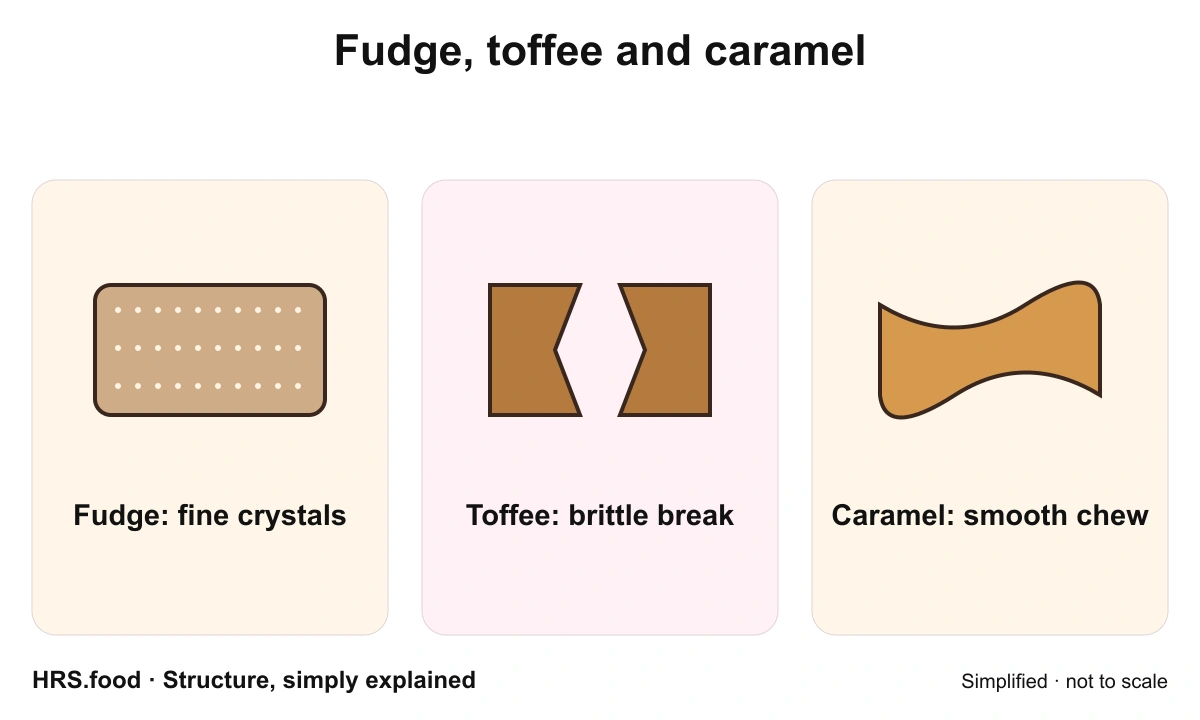
Compare fudge, toffee and caramel by crystals, texture and moisture. Learn why soft toffee and caramel names can overlap.
Read the guide →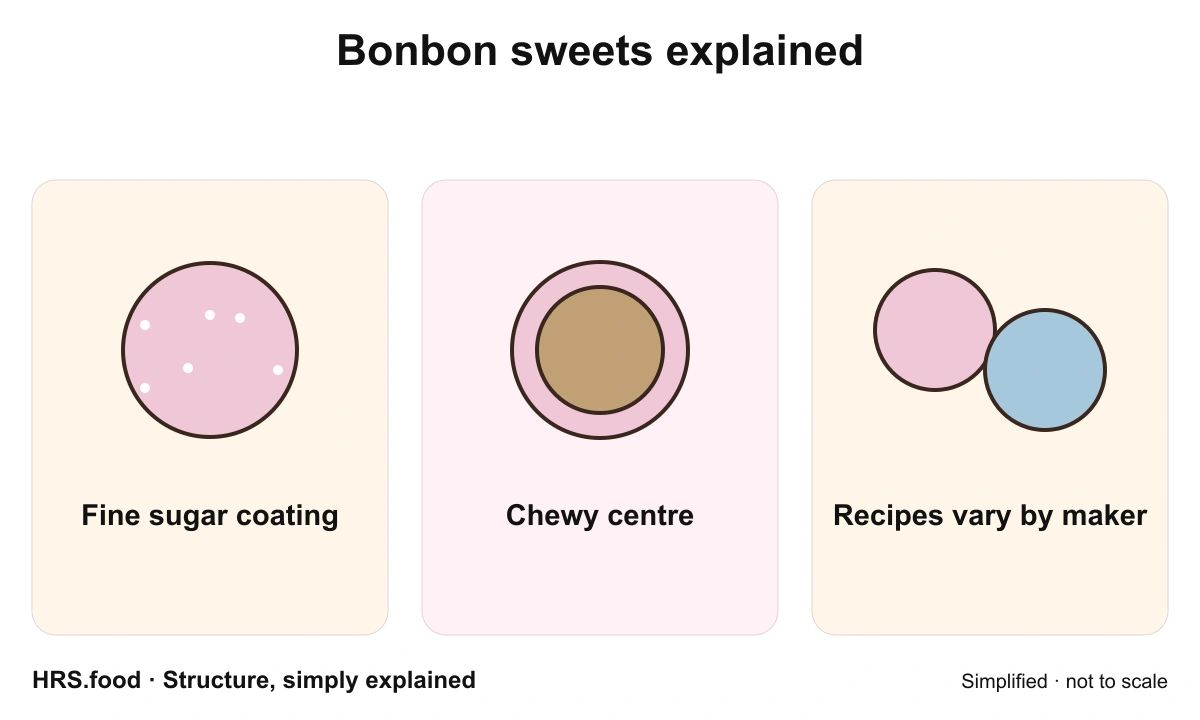
Understand British sweetshop bonbons, compare traditional toffee-centred and chewy varieties, and learn why the coating does not identify the recipe.
Read the guide →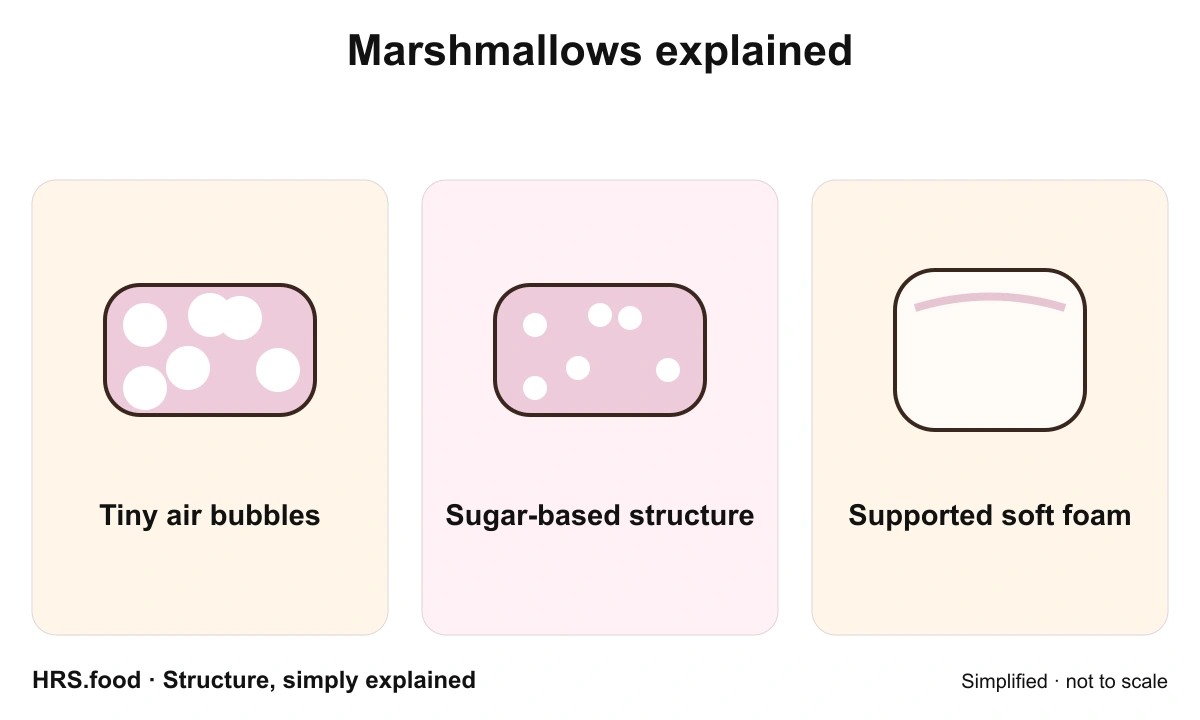
Explore the foam structure inside marshmallows, the role of air and gelatine, and what to check when comparing alternative recipes.
Read the guide →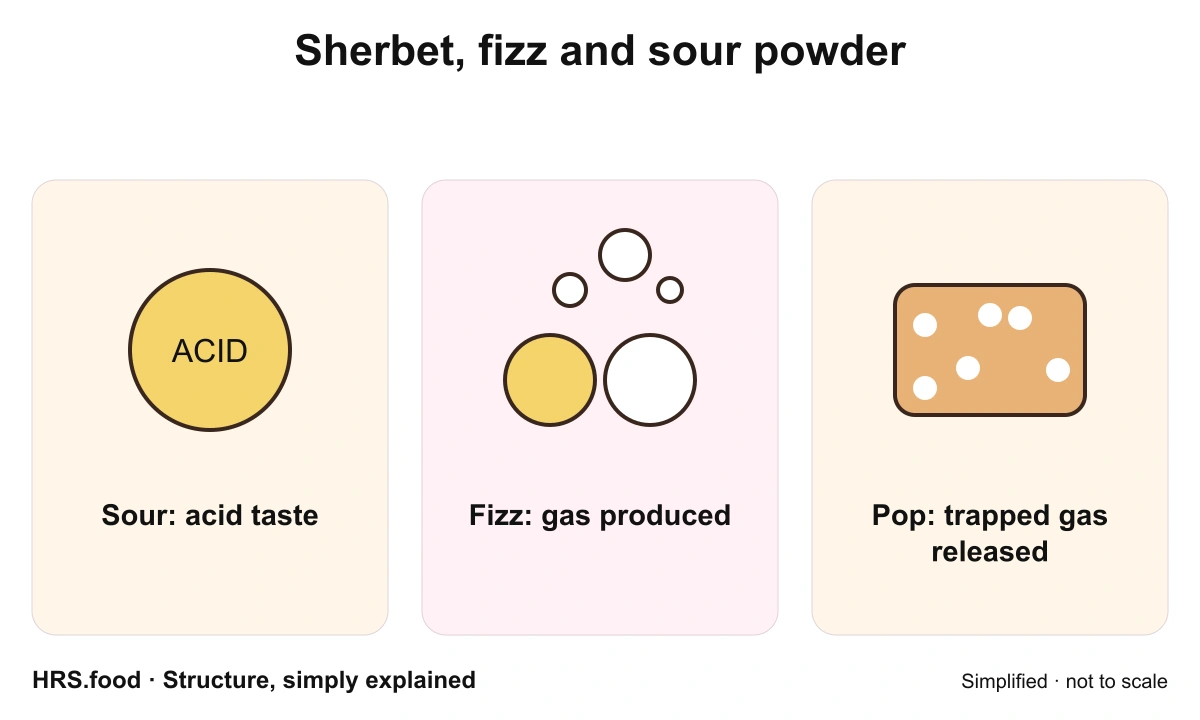
Separate sour taste, acid-and-bicarbonate fizz and popping candy. See what moisture does and why the ingredient list matters.
Read the guide →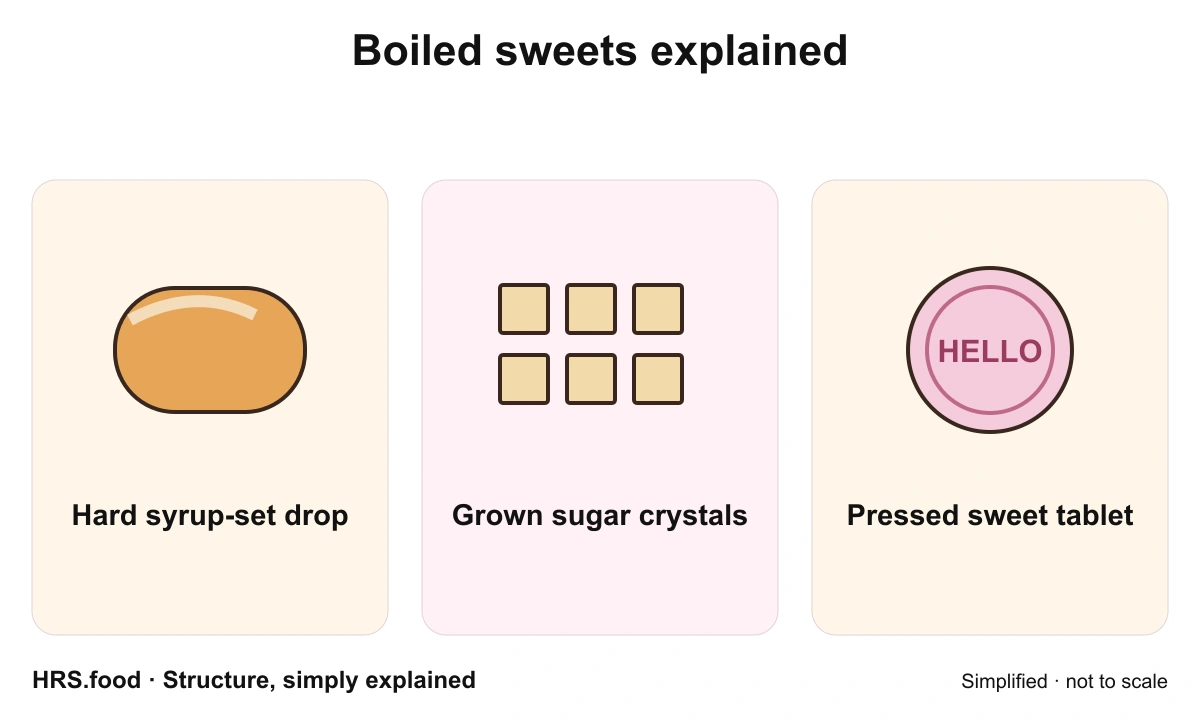
Learn how boiled sweets become hard, why some are clear and others cloudy, and how moisture changes a hard sweet’s surface.
Read the guide →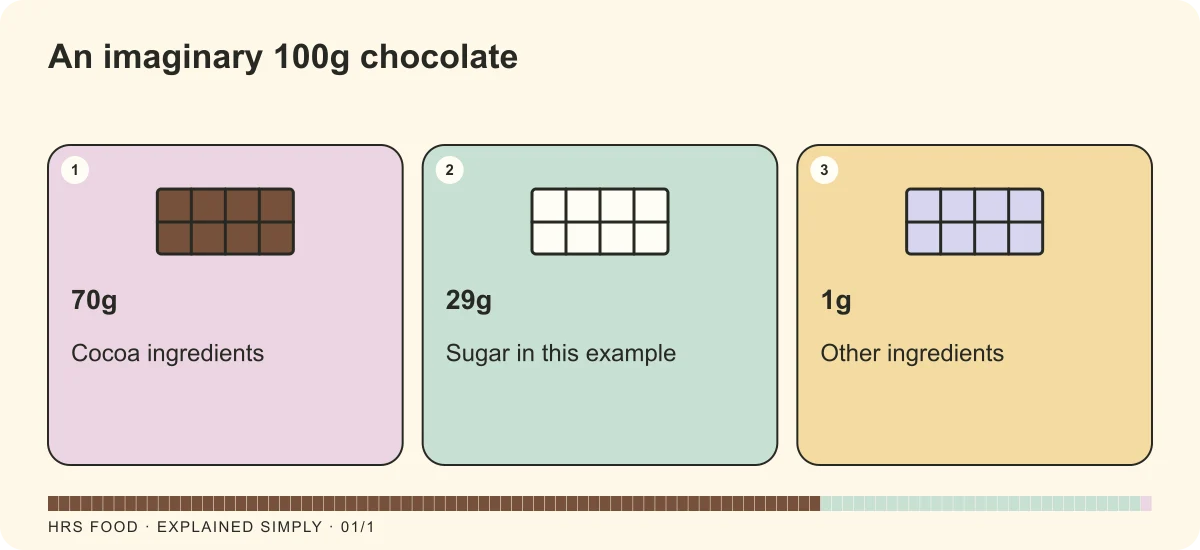
Understand cocoa percentages, cocoa butter and sugar with a simple 100g example. Learn what a 70% label can and cannot tell you.
Read the guide →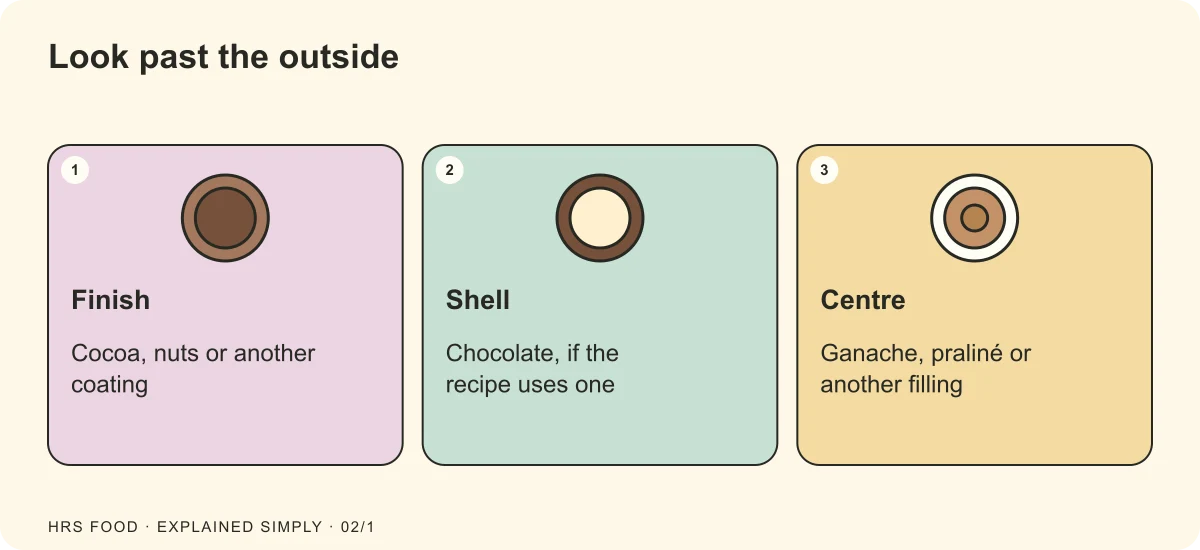
Compare chocolate truffles, nut praliné and filled praline chocolates. See the centres, coatings and regional meanings before choosing a box.
Read the guide →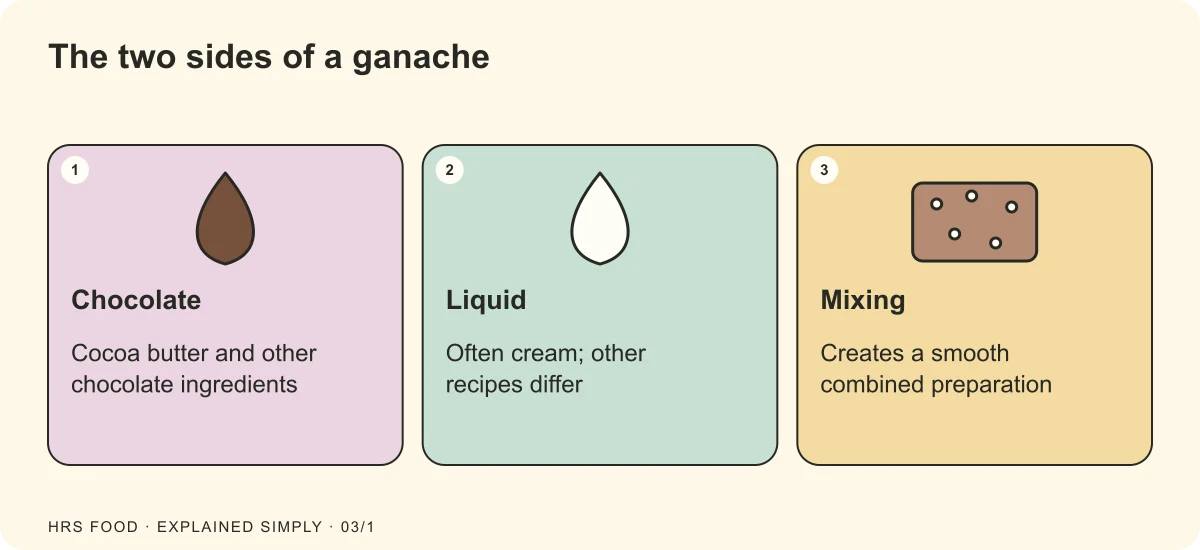
Learn what chocolate ganache is, how chocolate and cream become a smooth filling, and why ganache differs from buttercream and melted chocolate.
Read the guide →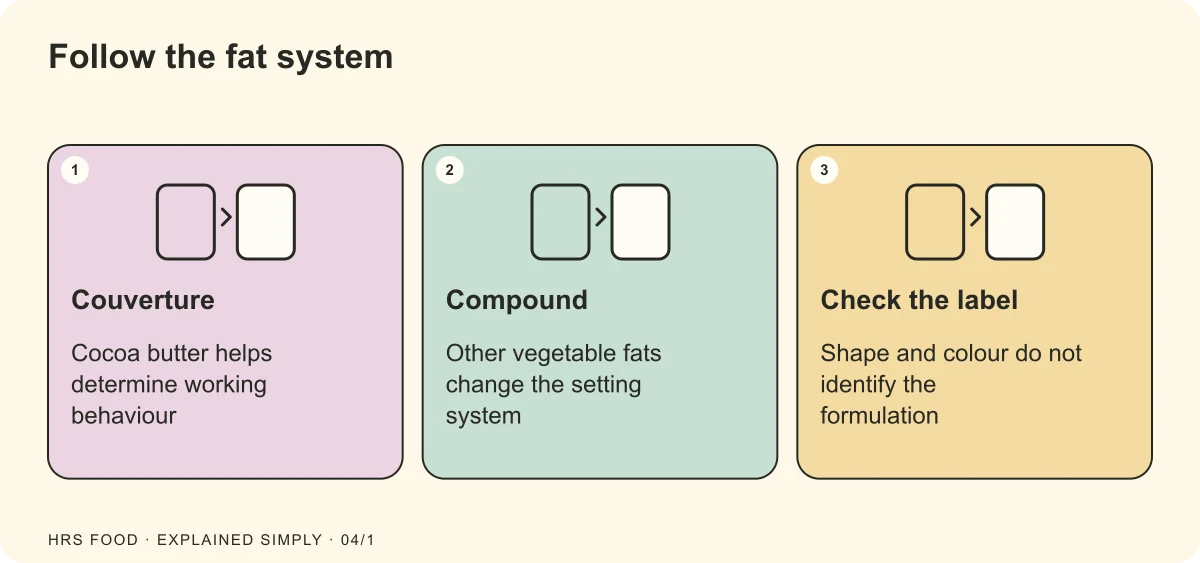
Compare cocoa-butter couverture and compound coatings, including tempering, melting and choosing a product for dipping, moulding or baking.
Read the guide →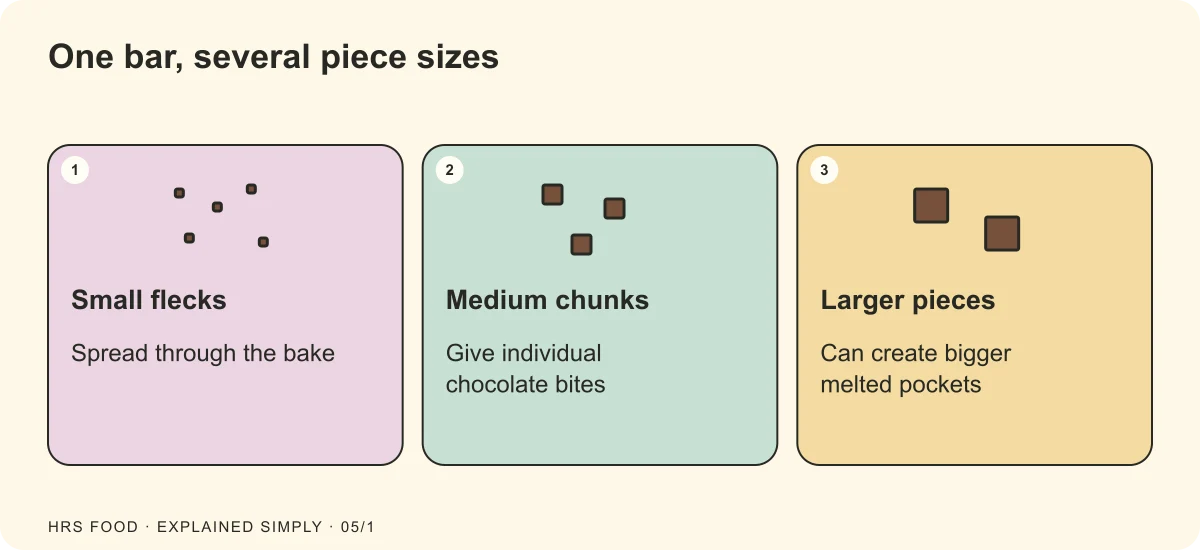
Find out when a plain chocolate bar can work in baking, how it differs from chips, and why filled bars and cocoa powder are different substitutions.
Read the guide →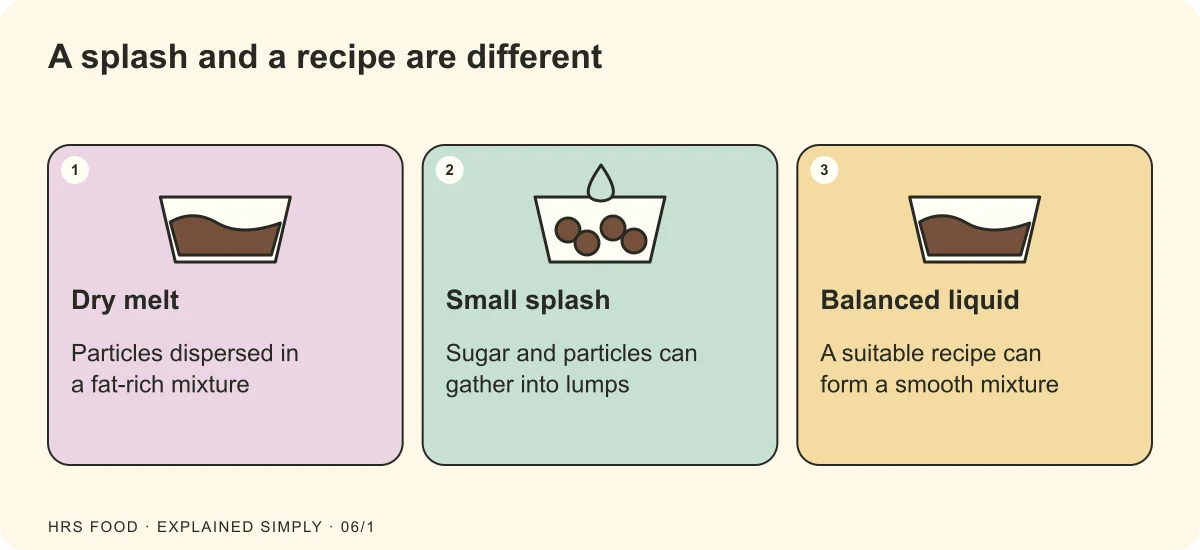
See why a splash can make chocolate grainy, when adding more liquid can help, and why recovered sauce is different from tempered chocolate.
Read the guide →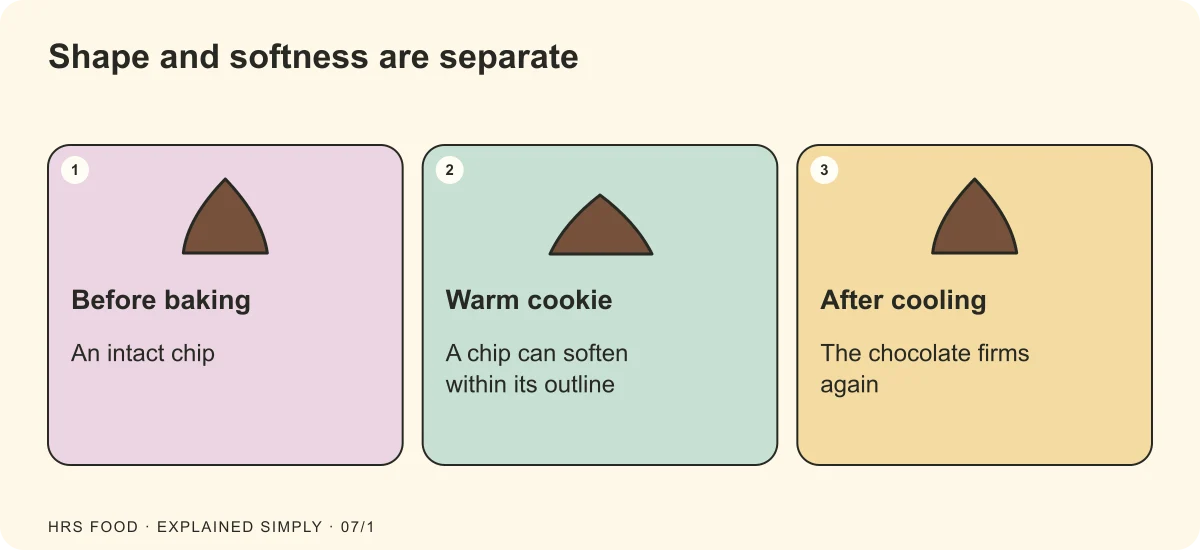
Understand bake-stable chocolate chips, melted chocolate pockets and why a chip can look intact while being soft inside a warm cookie.
Read the guide →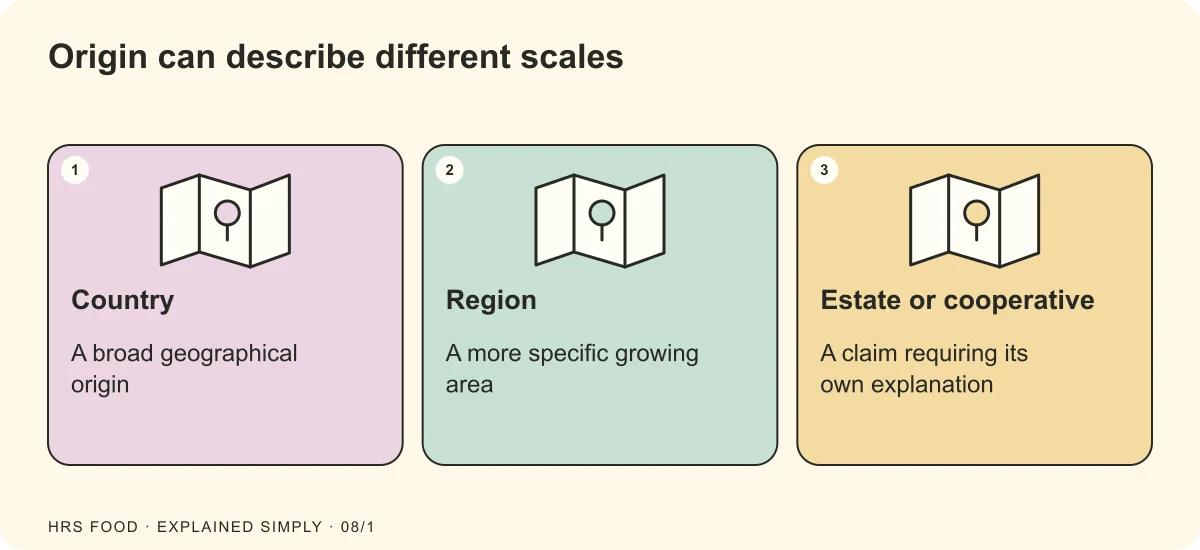
Learn what single-origin chocolate tells you about cocoa sourcing, how it differs from a blend, and what to compare during a simple tasting.
Read the guide →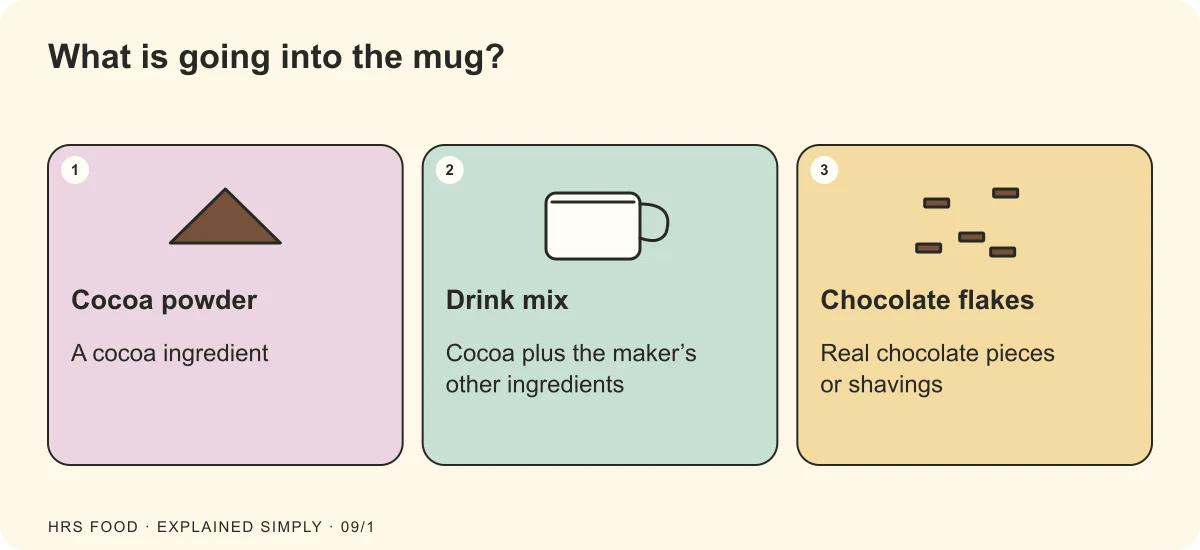
Compare cocoa powder, sweetened hot chocolate mixes and real chocolate flakes. Learn what to check for drinks and why baking substitutions need care.
Read the guide →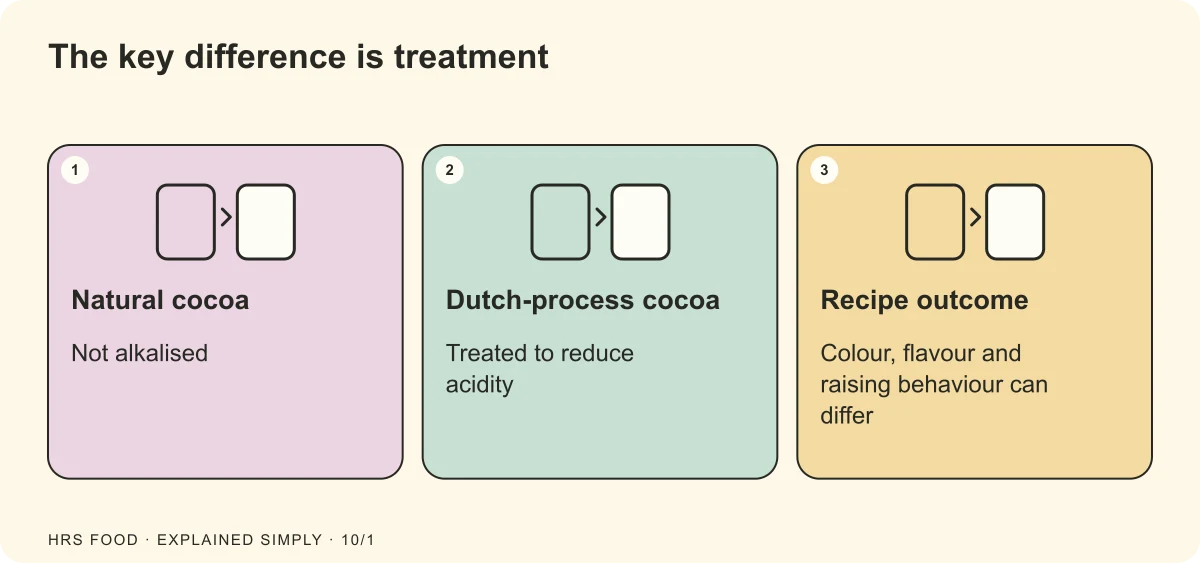
Understand alkalised cocoa, colour, acidity and raising agents. Learn when a cocoa substitution matters and why the recipe is your best guide.
Read the guide →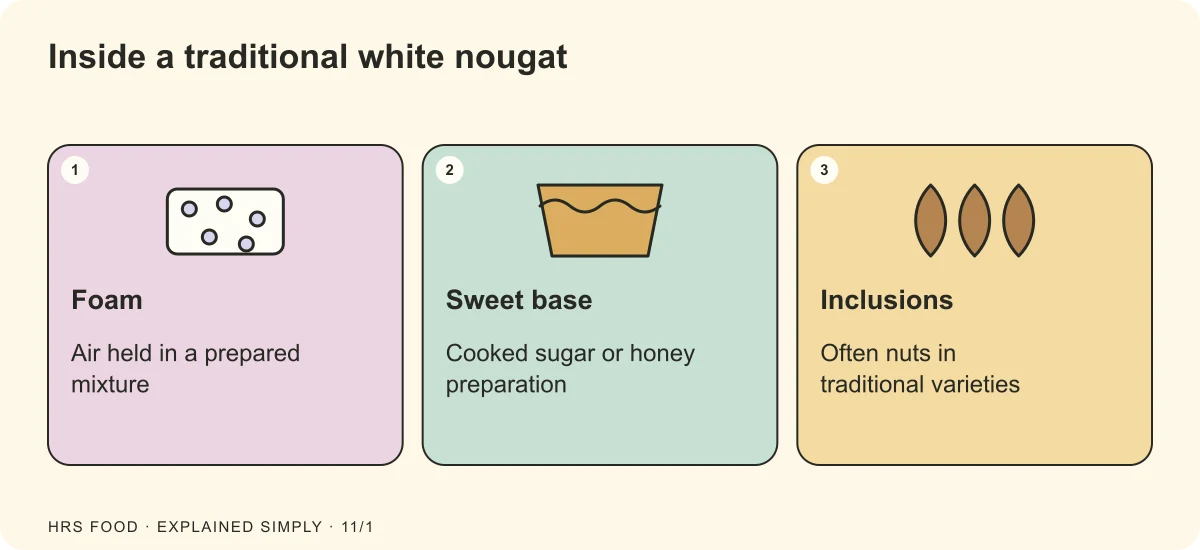
Explore nougat ingredients, aeration and the difference between soft, chewy and hard varieties, without treating every chocolate-bar centre as the same recipe.
Read the guide →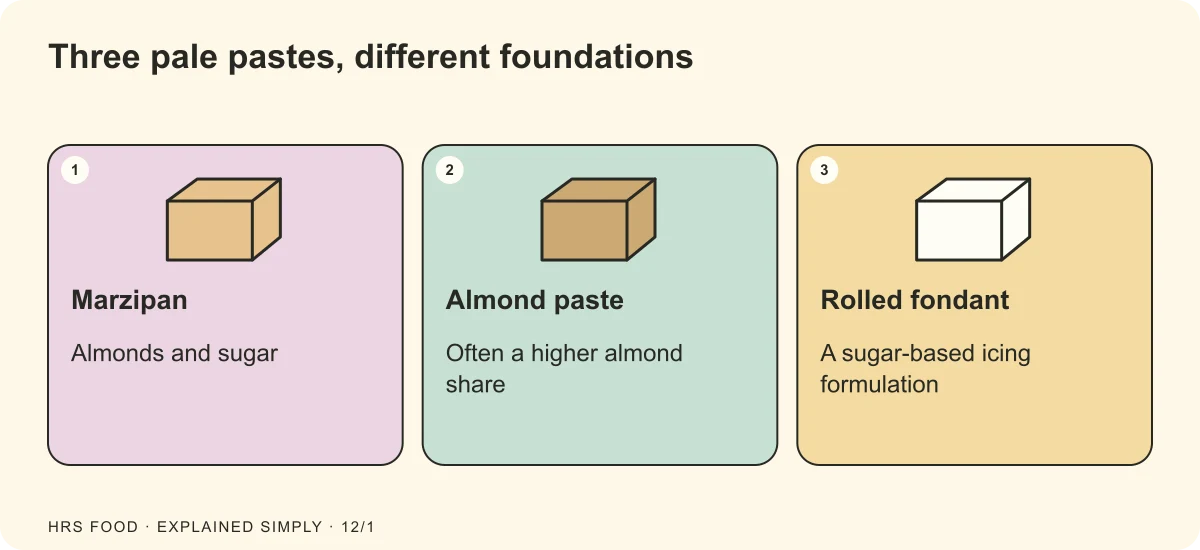
Compare the ingredients, texture and uses of marzipan, fondant icing and almond paste, with clear advice on recipe substitutions and allergens.
Read the guide →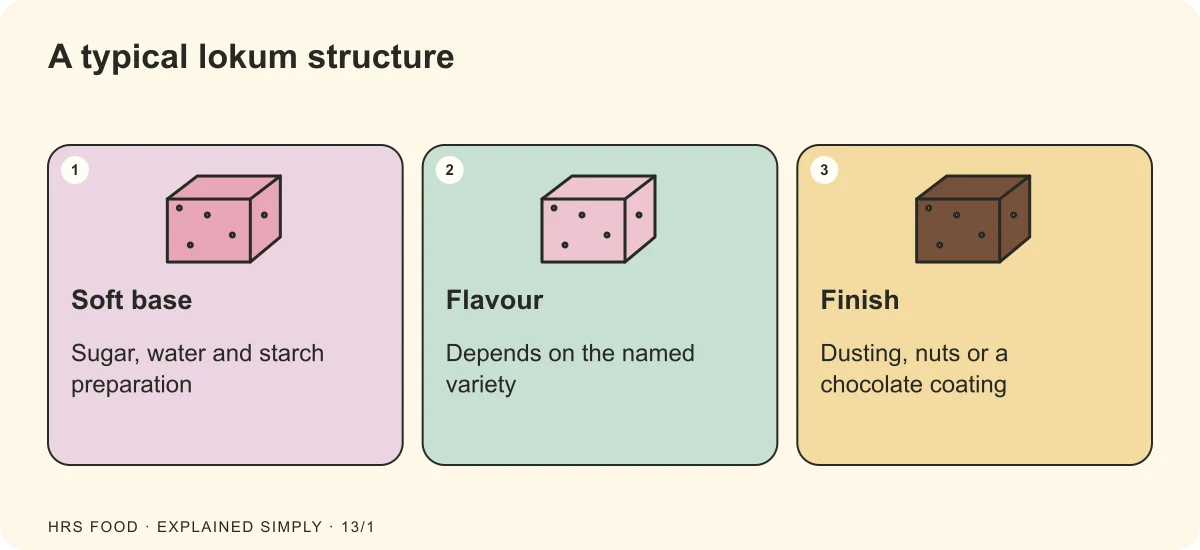
Discover the starch-based texture of traditional Turkish delight, rose and fruit flavours, and why plain lokum differs from chocolate-covered versions.
Read the guide →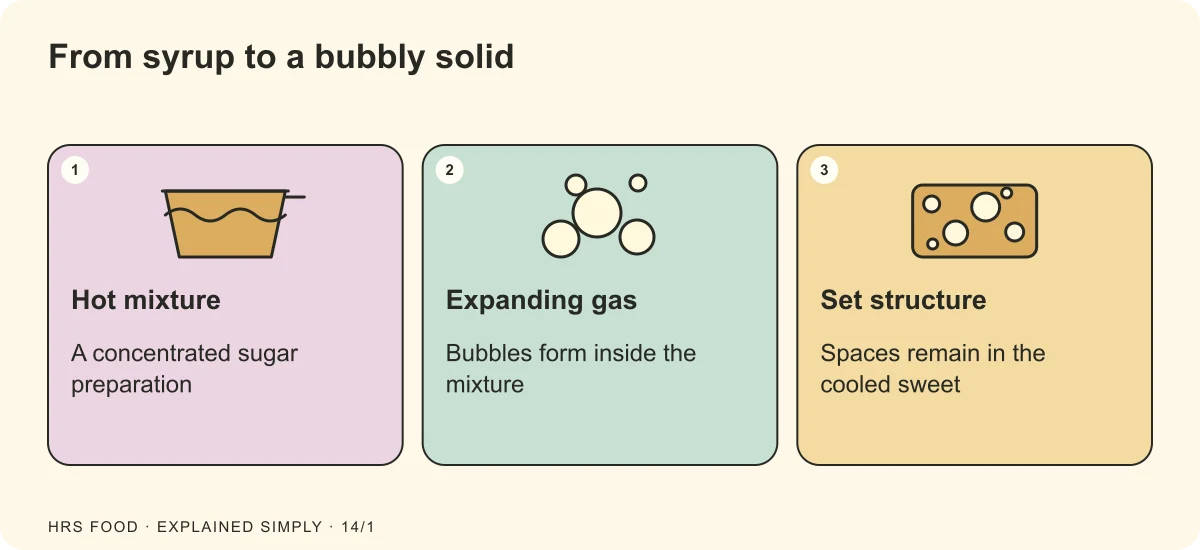
See how bicarbonate creates the bubbles in honeycomb toffee, why the structure becomes crisp and how it differs from bees’ honeycomb.
Read the guide →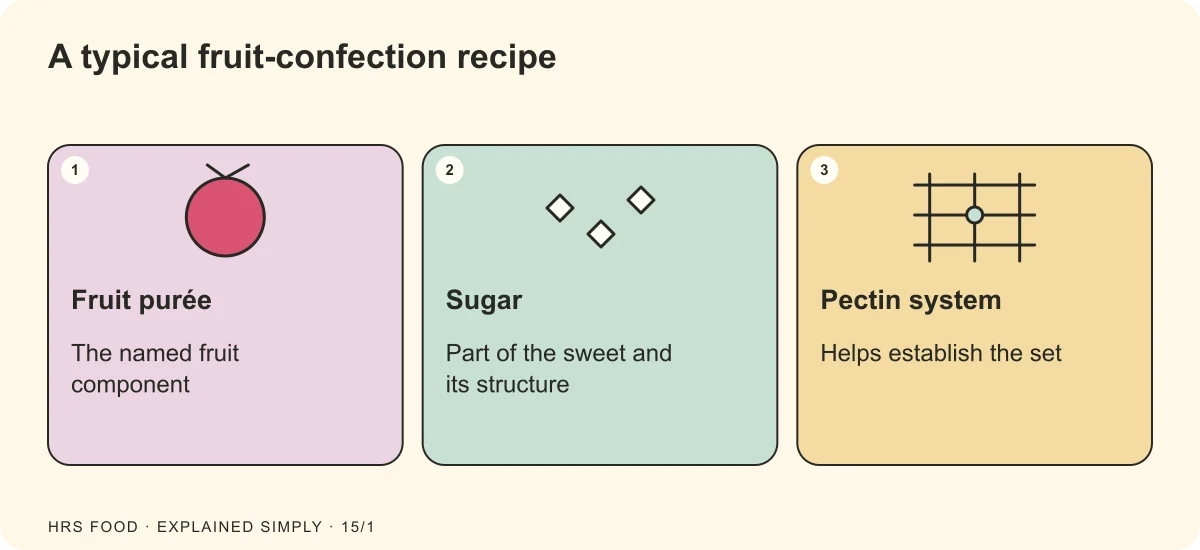
Compare pâte de fruit, fruit jelly sweets and gummies. Understand fruit purée, pectin, texture and what the product label can tell you.
Read the guide →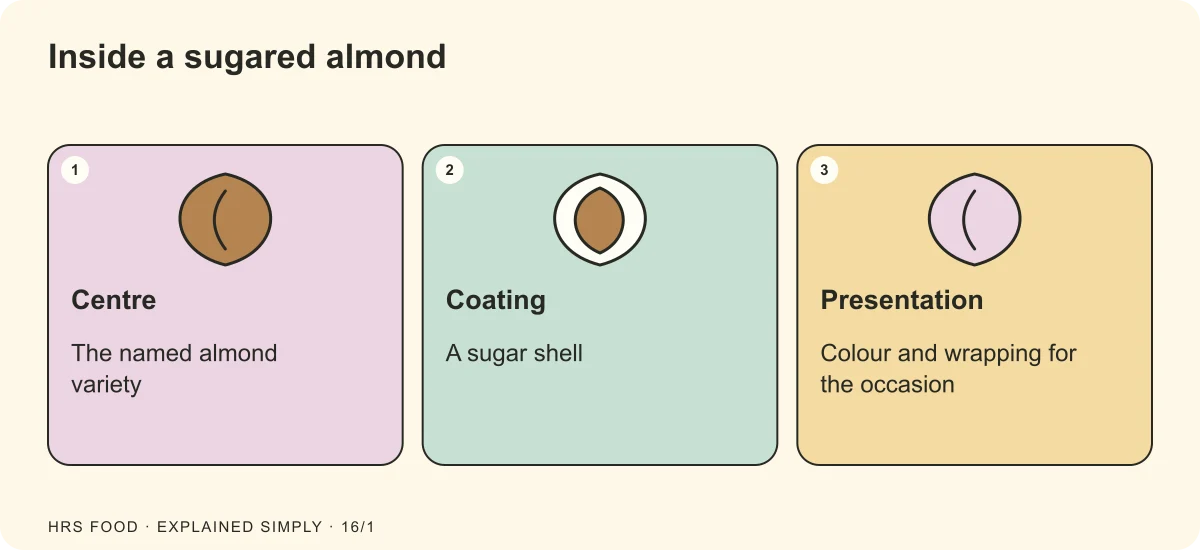
Explore the almond centre, sugar shell and wedding-favour tradition, including the meaning often attached to five almonds and practical serving checks.
Read the guide →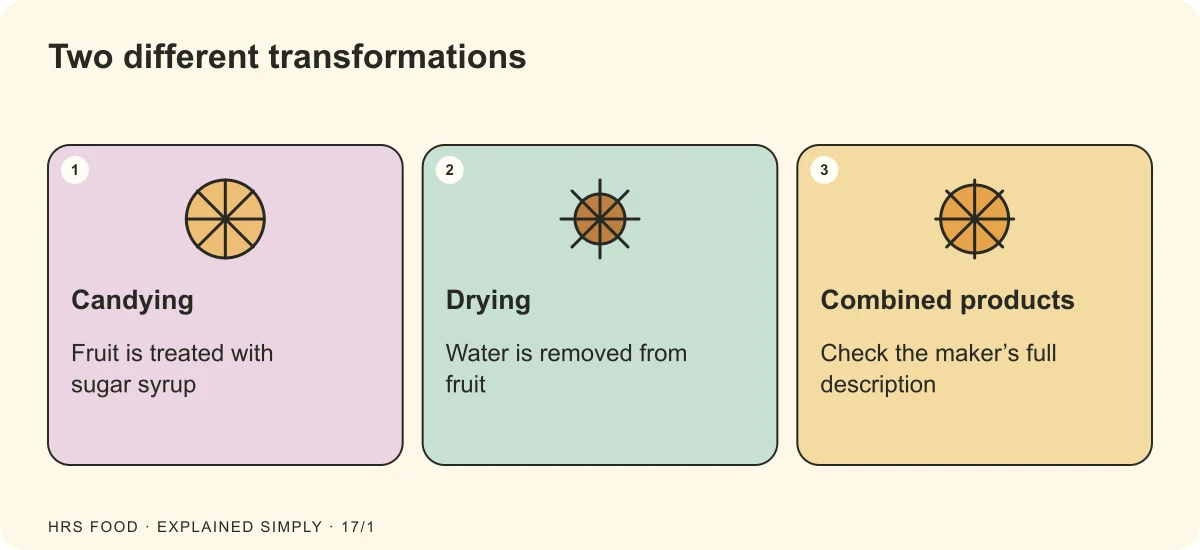
See how candying uses syrup, how drying removes water, and why candied peel, fruit-shaped sweets and dried fruit are different products.
Read the guide →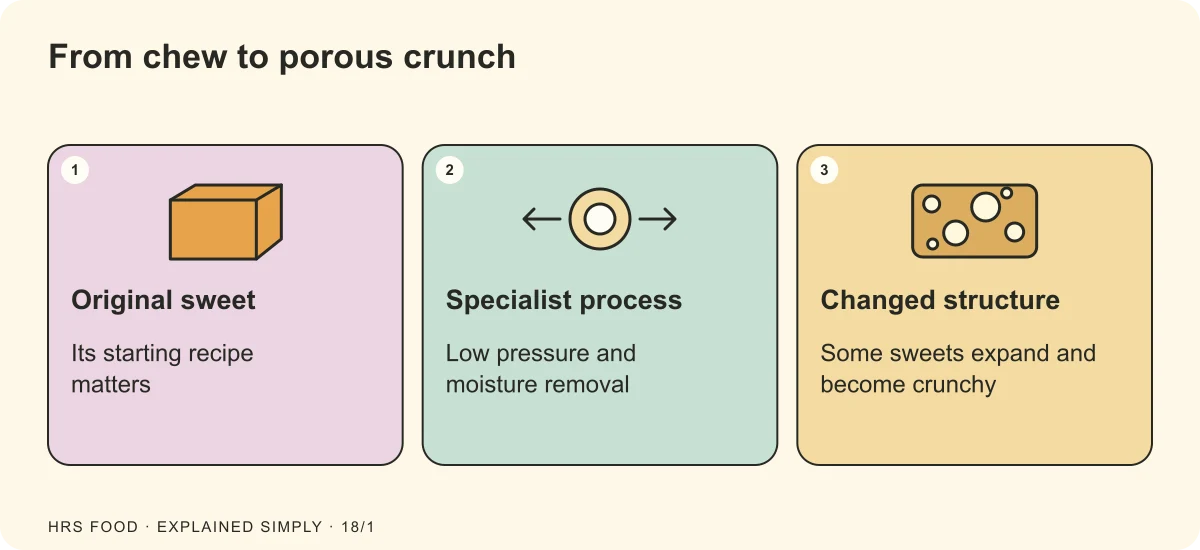
Explore the vacuum-drying process behind crunchy, expanded sweets, why results vary by recipe, and how to distinguish transformed sweets from originals.
Read the guide →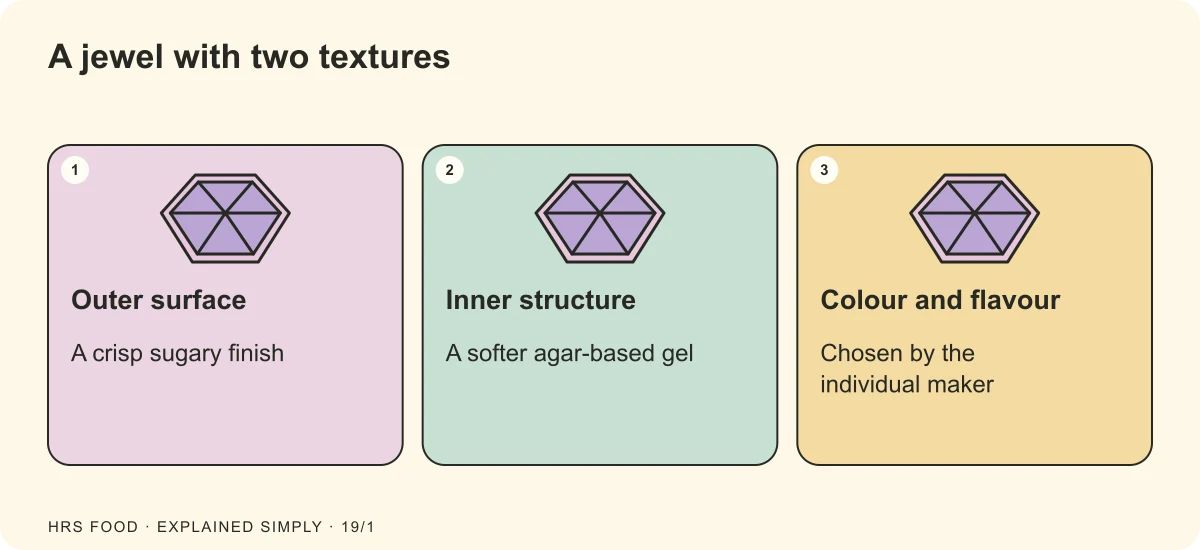
Discover Japanese kohakutou: an agar-based sweet with a crisp sugar surface and softer centre. Compare it with rock candy and springy gummies.
Read the guide →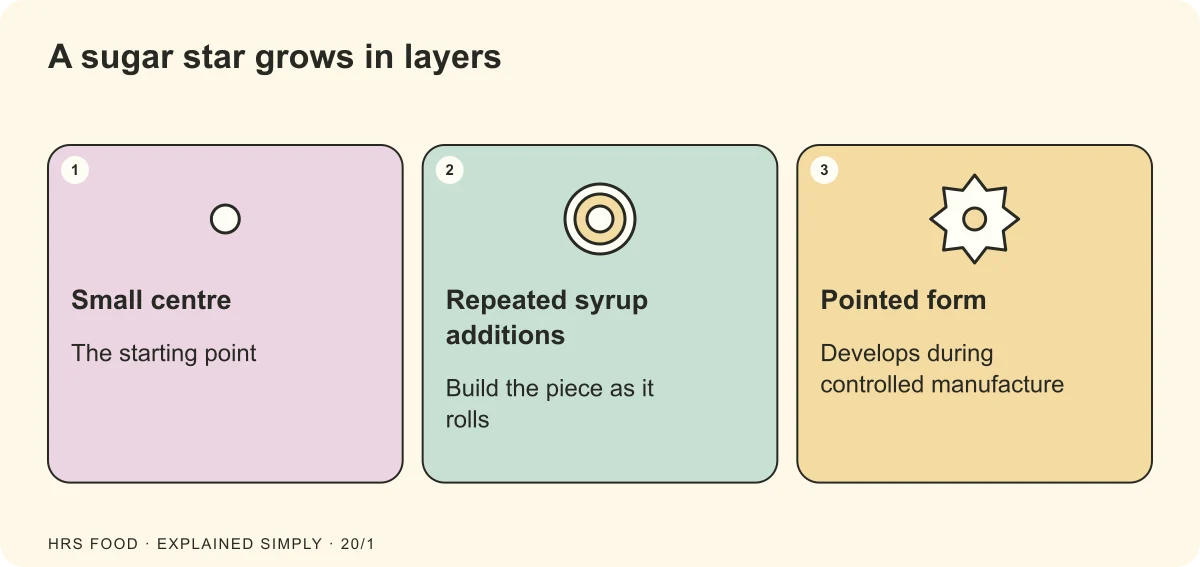
Explore Japanese konpeitō sugar stars, the rotating-pan process and why their points grow during production rather than being stamped into a mould.
Read the guide →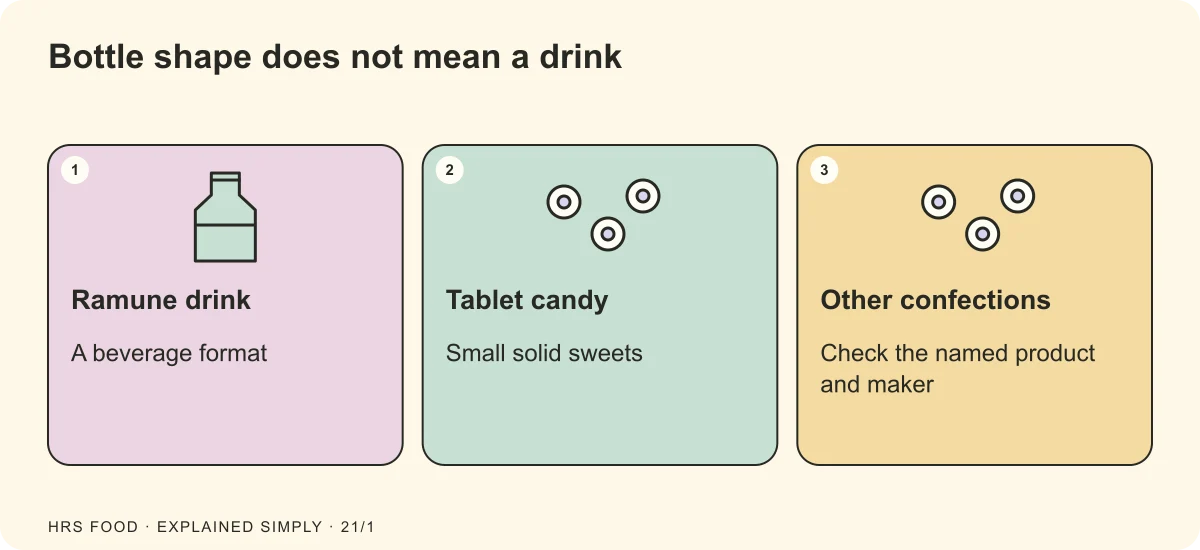
Meet ramune soda candy, its tablet texture and the connection to Japanese soda. Learn why it is different from the drink and why packs need separate checks.
Read the guide →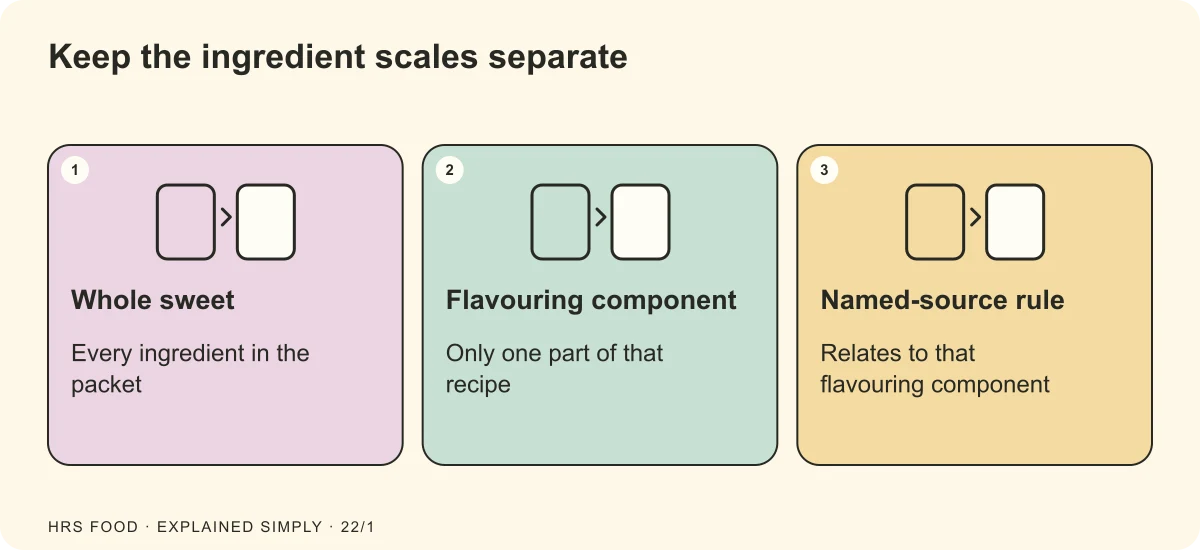
Understand natural flavouring, named fruit flavourings and why a flavouring description is different from fruit content, nutrition or dietary suitability.
Read the guide →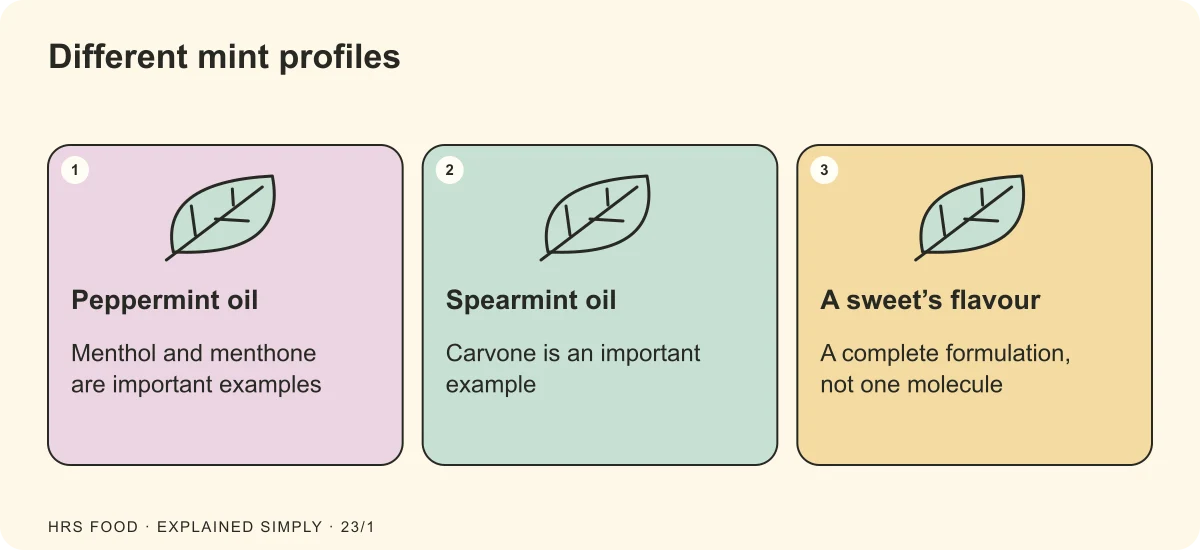
Compare peppermint and spearmint aromas, menthol and carvone, and why the finished mint sweet depends on more than its flavour name.
Read the guide →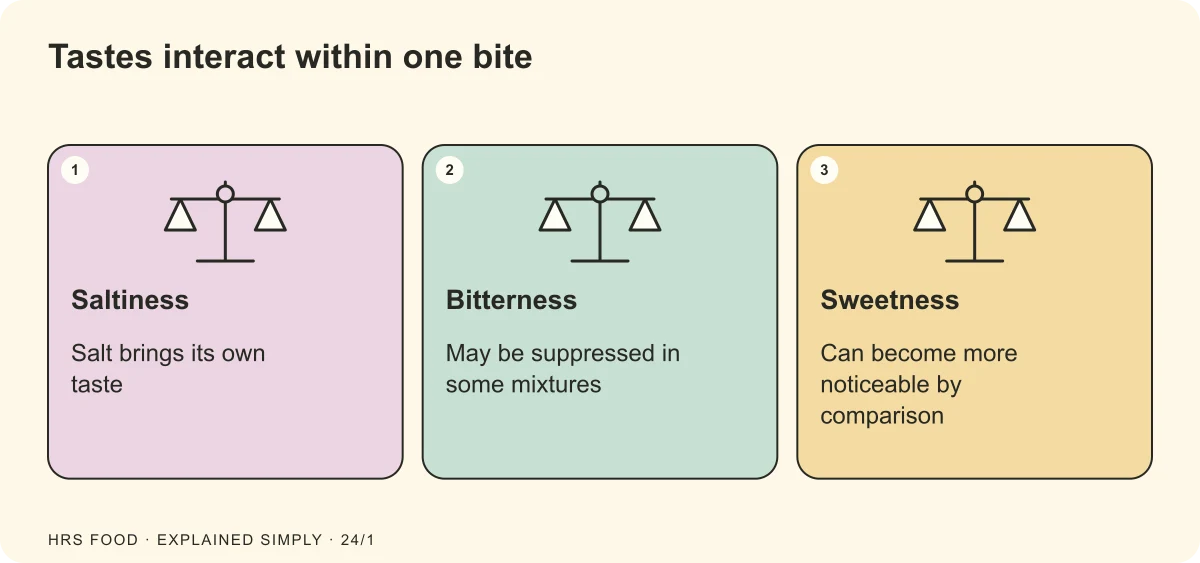
Explore salt, bitterness and sweetness, with a simple explanation of taste interactions and a cautious way to compare salted and unsalted chocolate.
Read the guide →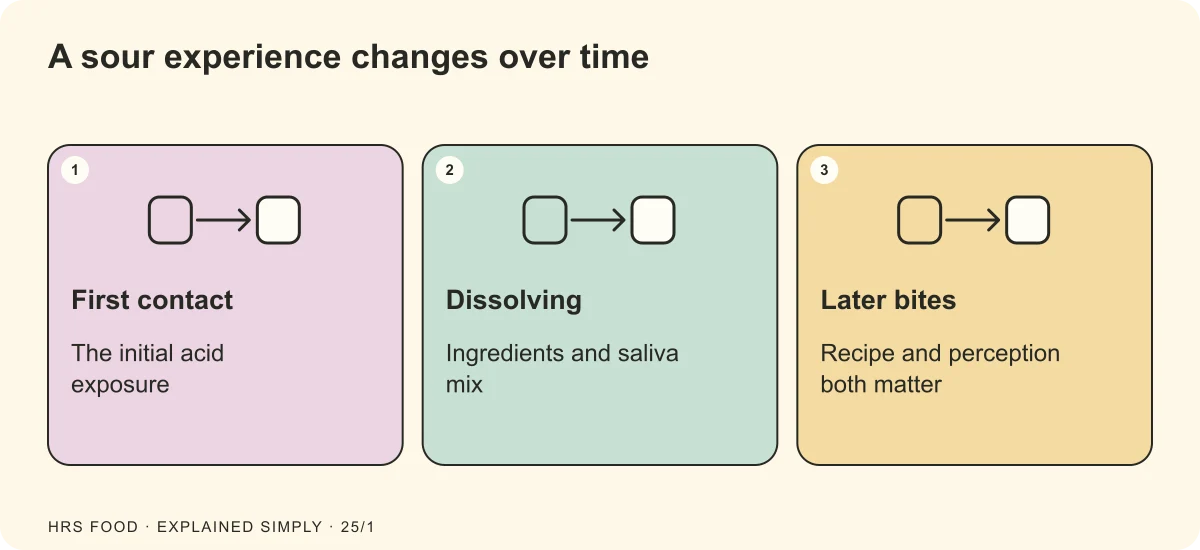
Understand changing acid exposure, saliva and sensory adaptation without assuming your tongue always gets used to every sour sweet in the same way.
Read the guide →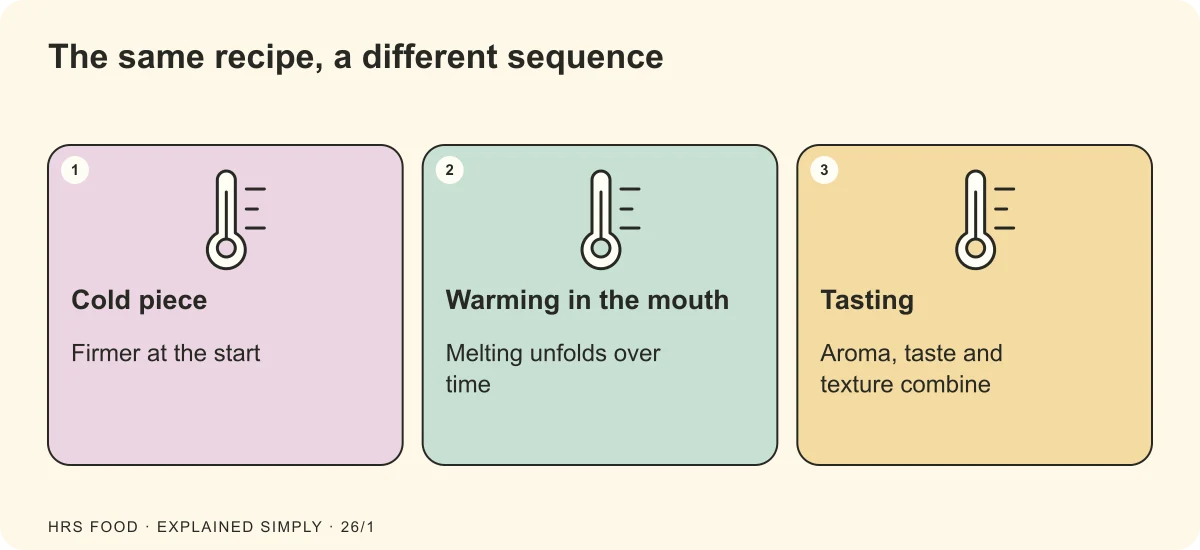
Explore how temperature changes chocolate’s firmness, melting and unfolding aromas, and how to compare a cold piece with the same bar at room temperature.
Read the guide →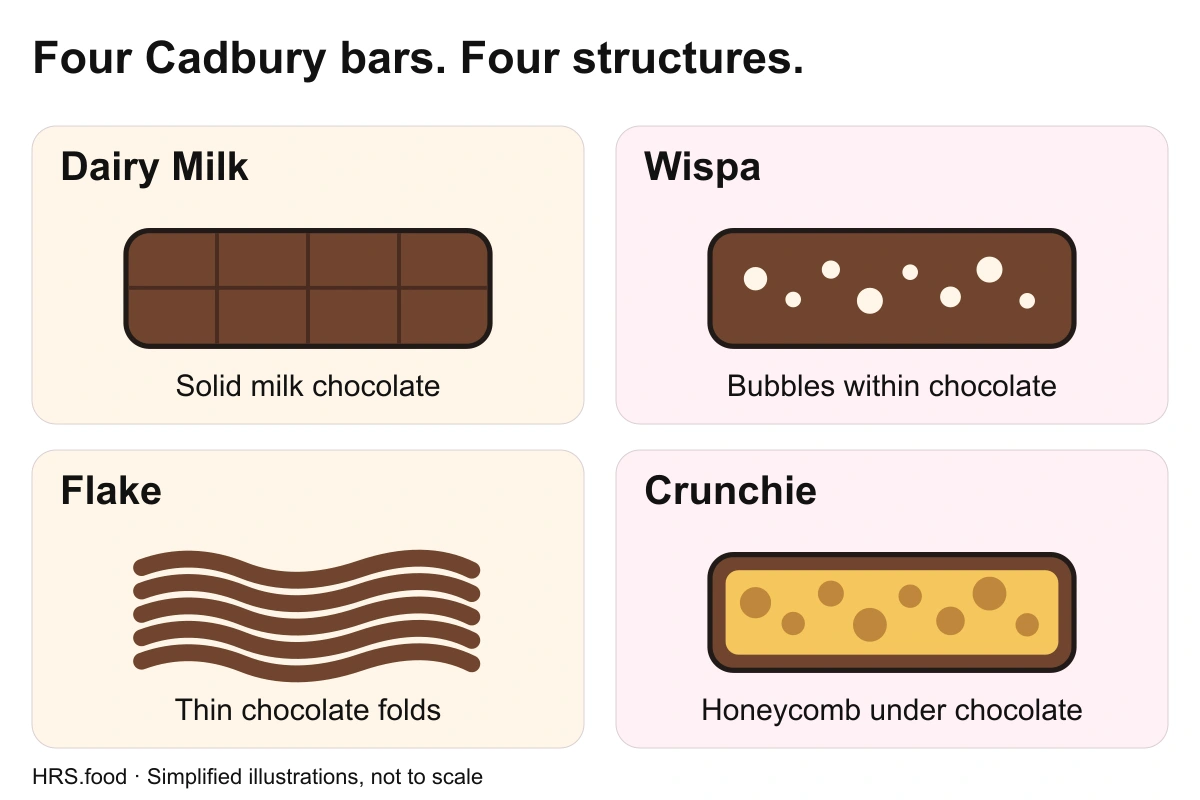
Why is Wispa bubbly, Flake crumbly and Crunchie crunchy? Compare four Cadbury bars with an illustrated texture guide, a short history and HRS product links.
Read the guide →Compare liquid-filled bubble gum, wrapped Anglo Bubbly and Hubba Bubba tape. Find the format, flavour and pack size that suits your order.
Read the guide →Understand sour and fizzy sweets, from tangy gummies to sherbet and compressed sweets. Compare formats and find examples from the HRS selection.
Read the guide →Compare Dip Dab, Sherbet Fountain, Double Dip and sherbet-filled chew bars. A practical guide to sherbet sweets, flavours and pack formats.
Read the guide →Calculate counted sweets for your party bags. Choose current HRS packs, set items per bag and see whole packs to buy, spare items and product costs.
Read the guide →Compare gummy shapes, jelly sweets and fruit chews. Understand overlapping names, coatings, recipes and pack formats with examples from the HRS range.
Read the guide →Choose hard boiled sweets by flavour, centre and pack format. Compare clear mints, fruit sweets and liquorice-toffee centres with current HRS examples.
Read the guide →Compare creamy toffees, hard caramel sweets and filled boiled sweets. Choose by texture, ingredients and the actual bag or case format at HRS Food.
Read the guide →Find HRS sweets with explicit vegan declarations, from Kingsway bulk bags to Stockley’s Flyers. Check exact recipes, allergens and current product information.
Read the guide →Compare current HRS sweet pack prices per 100g or wrapped item. See the net weight, counted contents and full purchase price without guessing pieces per kilo.
Read the guide →Compare Swizzels Refreshers flavours, chew bars and bulk chews. Understand pack sizes, the sherbet centre and product-specific dietary declarations.
Read the guide →Recognise layered liquorice sandwiches, coconut rolls and blue and pink jelly buttons. An illustrated Allsorts guide with ingredients and pack-size advice.
Read the guide →Compare liquorice Allsorts, soft black liquorice, gums, Flyers and blackcurrant sweets. Choose the flavour, texture and pack format that suits you.
Read the guide →
Twelve sweet-shop classics, the memories behind them and the difference between nostalgia and launch dates.
Read the guide →
A practical guide to choosing birthday treats, hand-picked gifts and party bags for older children.
Read the guide →
Ready-made boxes, small DIY presents and thoughtful ways to give someone's old-school favourites.
Read the guide →Useful office gifts and snack ideas for the colleague you are buying for.
Read the guide →Compare gift-box options and decide how much control you want over the contents.
Read the guide →Start with what they always reach for, choose a useful mix and make the message personal.
Read the guide →A practical way to balance chocolate, sweets and savoury snacks without choosing things neither of you wants.
Read the guide →