By HRS Food · Published · Reviewed
What does natural flavouring mean in sweets?
Natural flavouring describes the origin and permitted processing of a flavouring component. It does not mean the whole sweet is natural, contains a large amount of fruit or is healthier. A named description such as natural strawberry flavouring also has a more specific meaning than natural flavouring on its own. [1][2]

What is the word natural describing?
The flavouring is one component within a recipe. The rest of the sweet may contain sugars, gelling ingredients, colours and other additions. A claim attached to one component should not be expanded into a statement about the entire packet.
The regulatory rules concern how natural flavouring substances and preparations are obtained and described. They are not a promise that a finished sweet is made only from the fruit shown on its wrapper.[1][2]
What does a named fruit description mean?
The cited rules distinguish a natural flavouring named after a source from more general natural flavouring wording. For the named-source description, at least 95% of the flavouring component must come from that source under the rule’s conditions.
That percentage concerns the flavouring component, not the whole sweet. It would be a mistake to read natural strawberry flavouring as meaning the candy is 95% strawberry. Declared fruit ingredients and percentages answer a different question.[1]

Does it establish nutrition or dietary suitability?
No. A flavouring description does not tell you the sugars per 100g, energy, allergen risks or whether every ingredient suits a vegan diet. Natural sources can include different kinds of starting materials.
Read the nutrition panel and the complete ingredient and allergen declarations separately. If you need a precise source for a flavouring and the pack does not explain it, ask the manufacturer rather than making an assumption.[1][3]
A useful way to compare fruit sweets
Compare three lines of information: the named fruit ingredients, the flavouring description and the nutrition panel. Keep those separate when deciding what matters to you. A fruit-flavoured sweet is a confection, not a portion of fresh fruit by default.
For imported products, use a clear local-market declaration. Wording and rules can vary by market; this is a consumer label-reading guide, not a substitute for current regulatory advice to a manufacturer.[2]
The key differences at a glance
| Label wording | What it does not automatically mean |
|---|---|
| Natural flavouring | That the whole sweet is natural |
| Natural strawberry flavouring | That 95% of the whole sweet is strawberry |
| Fruit picture | A particular fruit percentage |
| Flavouring description | An allergen-free or low-sugar claim |
Related examples at HRS Food
Compare the linked HRS formats alongside the explanation above. These are product examples, not evidence of a particular factory recipe. Check the exact listing and current pack before choosing.
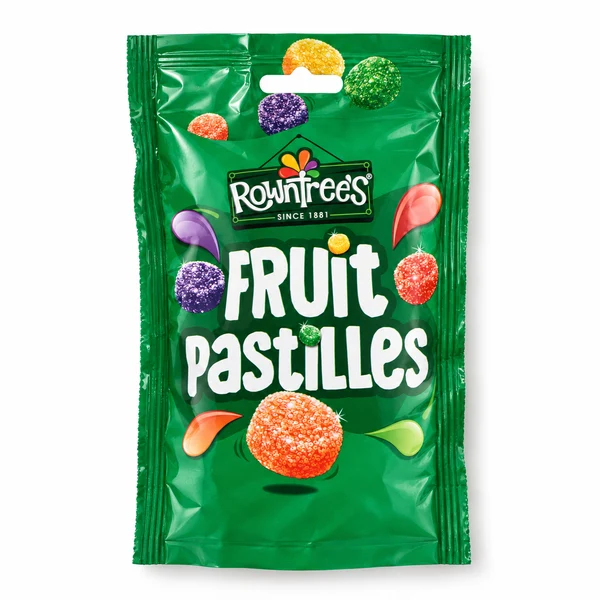
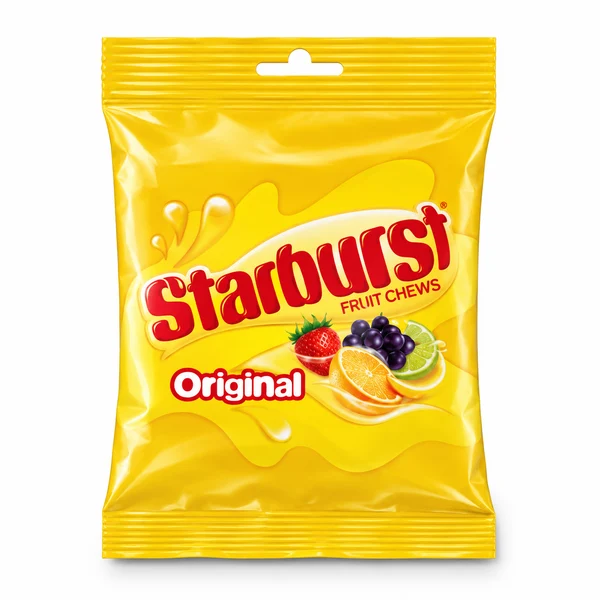
Quantities and ingredients belong to the exact listing and selected option. Check the current product page and physical pack for allergens, dietary information and storage.
Common questions
Does natural flavouring mean real fruit pieces?
No. Fruit pieces, juice or purée would need their own ingredient description.
Does it mean sugar-free?
No. The nutrition panel and any valid sugar claim are separate.
Is natural flavouring automatically vegan?
Do not infer that. Check the finished product and ask about any requirement the label does not settle.
Sources and editorial notes
Written and illustrated by HRS Food. Research reviewed on , using the references below and live HRS product listings. Recipe examples, study findings and legal label definitions are identified in context. These explanatory illustrations do not establish a brand’s private recipe. Where a rule or recipe can change, check the linked authority and current pack.