By HRS Food · Published · Reviewed
What is chocolate ganache?
Ganache is a smooth mixture of chocolate and a water-containing liquid, traditionally cream. Mixing brings the ingredients into an emulsion. Its consistency can range from a pourable glaze to a firm truffle filling, depending on the recipe, chocolate, temperature and how it is prepared. [1][2]

What makes ganache more than melted chocolate?
Melted chocolate is chocolate warmed until its fat melts. Ganache adds a liquid phase and combines it with the chocolate. The result is a different preparation with its own texture, ingredients and storage requirements.
Cream is familiar, but some ganaches use fruit purée, infusions or water. That does not make every alternative interchangeable. A recipe needs enough liquid and the right balance for its intended use; simply replacing an ingredient can change the result.[2][1]
Why does the chocolate-to-cream ratio matter?
Increasing the chocolate share generally produces a firmer mixture once it cools, while more liquid can give a softer result. However, chocolate composition also matters. Dark, milk and white chocolates cannot always be swapped at one identical ratio.
Use the ratio from a recipe written for your chocolate and purpose. A filling that should hold its shape inside a bonbon needs different handling from a sauce meant to flow over a cake. There is no single universal ganache formula.[1]

Ganache, buttercream and chocolate cream compared
Buttercream is generally built around butter or another fat and sugar, with different styles using different methods. Ganache is built around chocolate and liquid. A product described as chocolate cream could mean several preparations, so that phrase alone does not establish ganache.
Whipped ganache is another variation: whipping introduces air into a suitable ganache recipe. It is not the same as assuming that any bowl of melted chocolate and whipped cream will behave in exactly the same way.[2][1]
What if ganache looks split or grainy?
A glossy, even mixture is the aim. A greasy surface or visible separation can indicate that the ingredients have not formed a stable mixture. Temperature, ingredient proportions and mixing method are useful things to check against the recipe.
Do not use a texture fix as a food-safety decision. Ganache containing cream or another perishable ingredient needs the recipe’s storage instructions. A homemade filling should not inherit the long shelf life printed on a sealed commercial chocolate bar.[1][2]
The key differences at a glance
| Preparation | What changes |
|---|---|
| Melted chocolate | Warming changes the chocolate’s physical state |
| Ganache | Liquid is incorporated into a chocolate mixture |
| Whipped ganache | A suitable ganache also incorporates air |
Related examples at HRS Food
Compare a plain milk-chocolate bar with a caramel-filled format. A soft centre is not automatically ganache; use the filling named by the maker and the chocolate specified in your recipe.
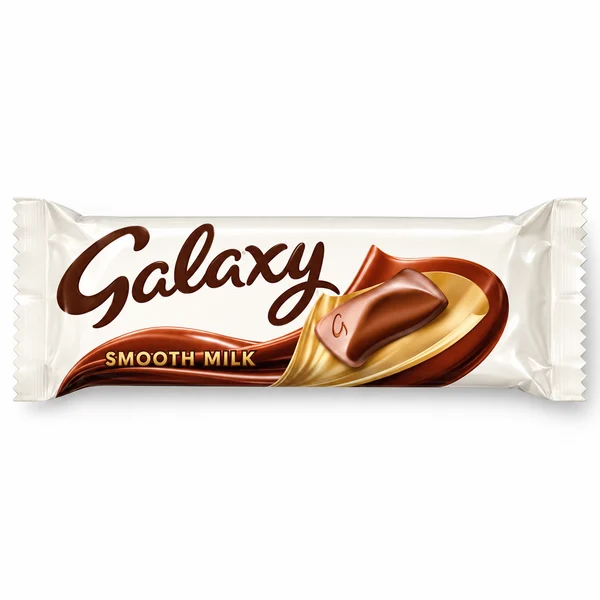
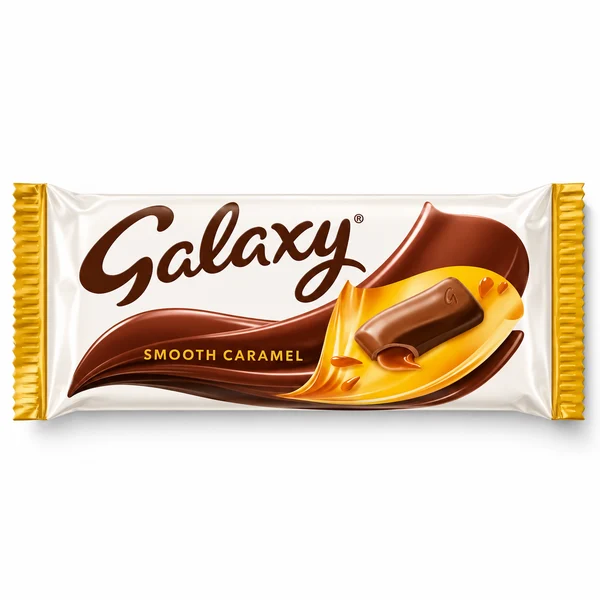
Quantities and ingredients belong to the exact listing and selected option. Check the current product page and physical pack for allergens, dietary information and storage.
Common questions
Is ganache always made with cream?
No. Cream is traditional, but specialist recipes can use other liquids.
Is ganache the same as icing?
It can be used as an icing or glaze, but icing is a broader description of how a preparation is used.
Can I store it like a chocolate bar?
Do not assume so. Follow the ganache recipe’s instructions for its ingredients and storage.
Sources and editorial notes
Written and illustrated by HRS Food. Research reviewed on , using the references below and live HRS product listings. Recipe examples, study findings and legal label definitions are identified in context. These explanatory illustrations do not establish a brand’s private recipe. Where a rule or recipe can change, check the linked authority and current pack.