By HRS Food · Published · Reviewed
What are freeze-dried sweets, and why do they puff up?
Freeze-dried sweets are familiar confections transformed using specialist drying equipment. Removing moisture under low pressure can produce a lighter, crunchy structure, and some sweets expand dramatically. The result depends on the original recipe and processing method; not every sweet puffs up or behaves alike. [1][2]

What does freeze drying actually mean?
For frozen foods, freeze drying removes ice as water vapour through sublimation rather than first turning it into liquid water. Utah State University explains that principle as the basis of the food-preservation process.
Candy processing needs a separate qualification. Low-moisture sweets and specialist candy settings do not necessarily follow the same cycle as high-moisture fruit. Follow equipment-specific guidance rather than assuming that every confection undergoes an identical freezing stage.[1][2]
Why can a chewy sweet become crunchy?
The pressure and drying conditions can change the sweet’s structure while moisture is removed. Some formulations expand into a porous shape; others change less. Harvest Right’s candy guidance describes the puffed result as dependent on the sweet.
This is a physical transformation of an existing recipe, not a promise that the sweet has become sugar-free. A larger-looking piece can contain air spaces. Size alone does not tell you its original weight or nutrition.[2]

Is it the same as freezing sweets at home?
No. An ordinary freezer does not provide the controlled vacuum-drying process. Freezing a bag of sweets and thawing it will not reliably create the crunchy confection sold as freeze-dried candy.
Use the finished product’s own instructions rather than improvising an equipment method from a short explanation. A familiar original sweet and its transformed version also need separate descriptions when you are comparing textures.[1][2]
What should you check when buying a transformed sweet?
Read who processed it, the net weight and the complete ingredients and allergen information. The original brand’s recipe remains relevant, but it is not the only information needed for a separately prepared and packed product.
HRS links to an original sweet should be read as original-format examples unless a listing explicitly says freeze-dried. Keep crunchy products sealed as their pack directs; do not assume the original wrapper’s instructions describe the repacked version.[2]
The key differences at a glance
| Question | What to check |
|---|---|
| Will it expand? | The original formulation and processing method |
| Is it sugar-free now? | No such claim follows from drying |
| Is this the original product? | Look for an explicit transformed-format description |
Related examples at HRS Food
These are the original sweet formats, not freeze-dried products. Use their descriptions to compare the starting textures with the specialist freeze-dried sweets discussed above.
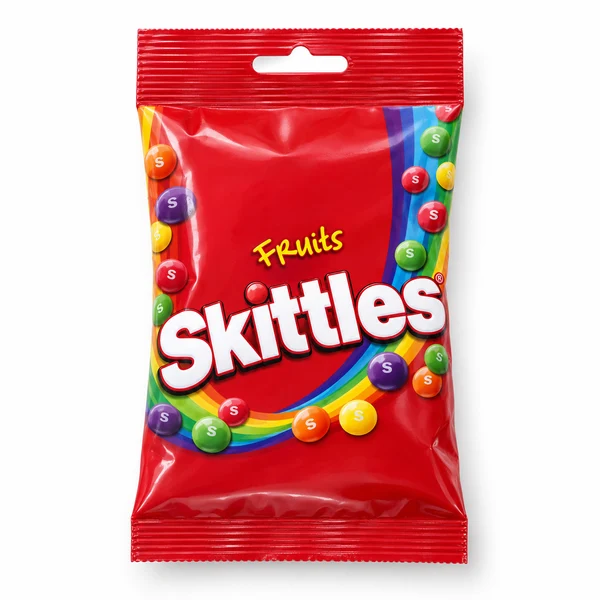
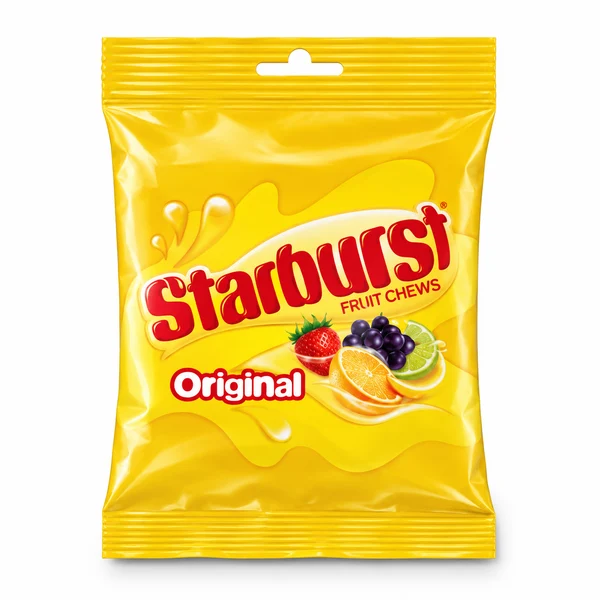
Quantities and ingredients belong to the exact listing and selected option. Check the current product page and physical pack for allergens, dietary information and storage.
Common questions
Will every sweet puff up?
No. Results vary with the sweet and processing method.
Does drying remove the sugar?
Do not assume that. Check the finished product’s nutrition declaration.
Are HRS original Skittles automatically freeze-dried?
No. Treat a listing as the original format unless it explicitly describes a transformed product.
Sources and editorial notes
Written and illustrated by HRS Food. Research reviewed on , using the references below and live HRS product listings. Recipe examples, study findings and legal label definitions are identified in context. These explanatory illustrations do not establish a brand’s private recipe. Where a rule or recipe can change, check the linked authority and current pack.