By HRS Food · Published · Reviewed
Couverture vs compound chocolate: which is which?
Couverture is chocolate designed for professional chocolate work, with a relatively high cocoa-butter content that helps it flow. Compound coatings use other vegetable fats as an important part of their fat system. They can suit different jobs, so read the product’s name and handling instructions rather than judging by appearance. [1][2]

What is couverture chocolate?
Cocoa butter helps couverture flow around a filling or into a mould. Fluidity still varies between products, so couverture is not one identical recipe. A formulation suited to a thin shell may behave differently from one chosen for another application.
For a shiny, firmly set chocolate coating, couverture normally needs correct tempering. That is controlled handling of cocoa-butter crystallisation. Simply melting it and letting it cool does not guarantee the same finish.[1]
What makes a compound coating different?
Barry Callebaut describes compound coatings based on fats such as palm, coconut or sunflower rather than cocoa butter as the main coating fat. Some are chocolate-flavoured; others are coloured or differently flavoured confectionery coatings.
Many products are intended to melt and set without conventional chocolate tempering. Follow the maker’s directions: compound coatings have different formulations, and their handling, texture and permitted uses cannot be inferred from colour alone.[2]

Which should you use for a kitchen project?
Choose the application first. For a moulded chocolate shell, a couverture with appropriate fluidity and tempering guidance is a useful starting point. For an easy decorative coating, a purpose-made compound may offer a simpler process.
If a recipe specifies chocolate, changing to a compound can alter flavour, fat balance and how the finished food sets. Neither a high price nor a dark colour is a reliable substitute for reading the exact ingredients and instructions.[1][2]
How to recognise the difference on a packet
Look for the actual description: chocolate, couverture, confectionery coating or chocolate-flavoured coating. Check which fats appear in the ingredients and whether the manufacturer gives tempering instructions. A baking button shape is not a classification.
HRS eating-chocolate examples illustrate familiar chocolate formats; they are not automatically professional couvertures. Buy according to the intended use. If you need a particular melting or moulding performance, choose a product whose maker supplies that information.[1][2]
The key differences at a glance
Explore the comparison
Choose a term to read its explanation. The full comparison is in the table below.
Cocoa-butter chocolate formulation · Other vegetable-fat coating formulation
| Feature | Couverture | Compound coating |
|---|---|---|
| Main distinction | Cocoa-butter chocolate formulation | Other vegetable-fat coating formulation |
| Setting method | Usually requires tempering for chocolate work | Often formulated for melt-and-set use |
| Best buying clue | Maker’s fluidity and application advice | Maker’s coating and handling directions |
Related examples at HRS Food
These ordinary milk-chocolate formats are useful wrapper comparisons. For a project that specifies couverture or a compound coating, choose a product explicitly described for that job.
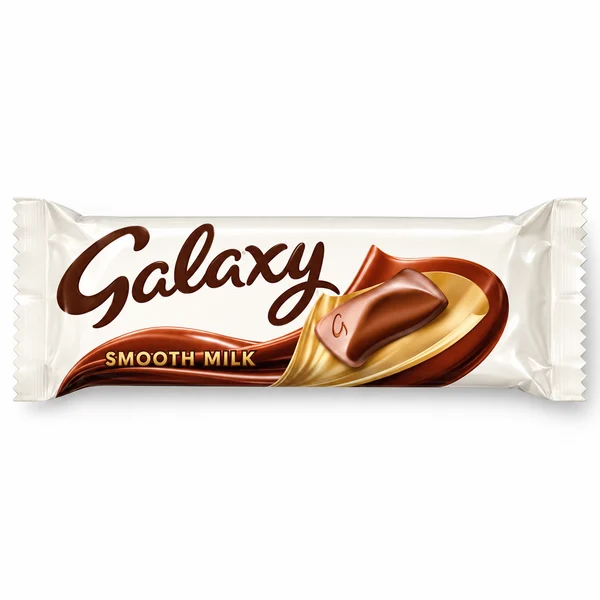
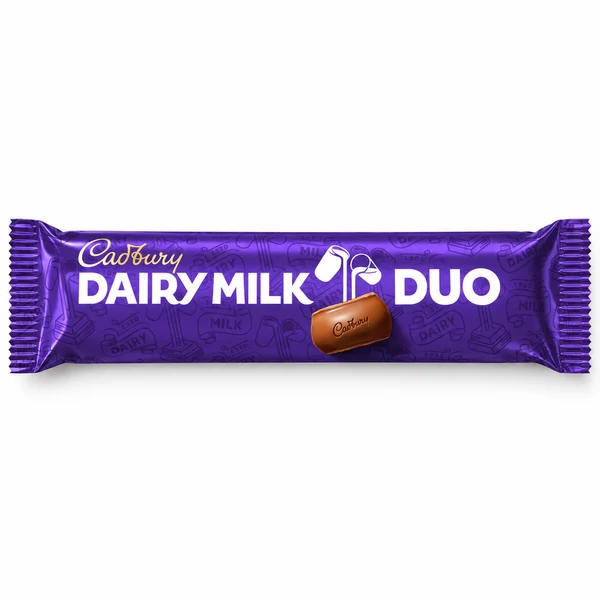
Quantities and ingredients belong to the exact listing and selected option. Check the current product page and physical pack for allergens, dietary information and storage.
Common questions
Are chocolate buttons always couverture?
No. Buttons or drops describe a shape. Read the product description and ingredients.
Can I mix compound and couverture?
Do not assume compatibility. Their fat systems may behave differently; use manufacturer guidance.
Is compound necessarily vegan?
No. A coating can contain milk and other animal-derived ingredients. Check its exact declaration.
Sources and editorial notes
Written and illustrated by HRS Food. Research reviewed on , using the references below and live HRS product listings. Recipe examples, study findings and legal label definitions are identified in context. These explanatory illustrations do not establish a brand’s private recipe. Where a rule or recipe can change, check the linked authority and current pack.