By HRS Food · Published · Reviewed
Why does chocolate taste different from the fridge?
Cold chocolate is firmer and takes longer to warm and melt in your mouth. That changes when its texture and aromas become noticeable. The recipe has not changed simply because the bar is cold, but the sequence of sensations can make it taste different. [1][2]

Temperature changes the bite before the flavour
A refrigerated piece and a warmer piece of the same bar can feel different as soon as you bite them. Valrhona’s tasting guidance connects warming and melting in the mouth with the release of chocolate’s flavour and aroma.
If you describe cold chocolate as less flavourful, separate that impression from the hardness and melting speed. You may be noticing how the experience unfolds rather than a permanent loss of the bar’s ingredients.[1]
Why room temperature is often suggested for tasting
Valrhona recommends room-temperature chocolate for tasting and snacking. This gives a useful starting point when the aim is to notice a chocolate’s character rather than deliberately enjoy it as a chilled texture.
Room temperature is not a guarantee of one exact environment. A hot summer room is different from a cool kitchen. Follow the pack’s storage directions and avoid letting a tasting recommendation become an excuse to leave chocolate in heat.[2]

Does chilling make chocolate better or worse?
It can change what you enjoy. Some people prefer a firm, cold bite; others prefer a quicker melt. Preference is not the same as a quality defect, and a temperature comparison is not a test of whether a bar is premium.
Fillings can respond differently from a plain chocolate bar. A caramel, wafer or soft centre adds another texture, so keep the product format in mind rather than assigning one result to every confection.[1][2]
Try a fair comparison
Use two small pieces from the same plain bar, handled according to its storage guidance. Let one approach the maker’s recommended tasting condition and compare it with the chilled piece. Notice hardness, time to melt, aroma and sweetness separately.
Keep ingredients, piece size and the rest of the comparison consistent. If condensation forms, that is another change to the surface rather than a new cocoa recipe. Our freezing guide covers packing and thawing as a separate practical topic.[1]
The key differences at a glance
| What changes | What to notice |
|---|---|
| Firmness | The first bite |
| Warming and melting | How the texture develops |
| Aroma release | When flavours become noticeable |
| Preference | Your preferred experience, not a quality score |
Related examples at HRS Food
Choose one clearly identified plain bar if you want to compare temperature and texture. Keep the recipe the same between samples, and follow the product’s storage instructions.
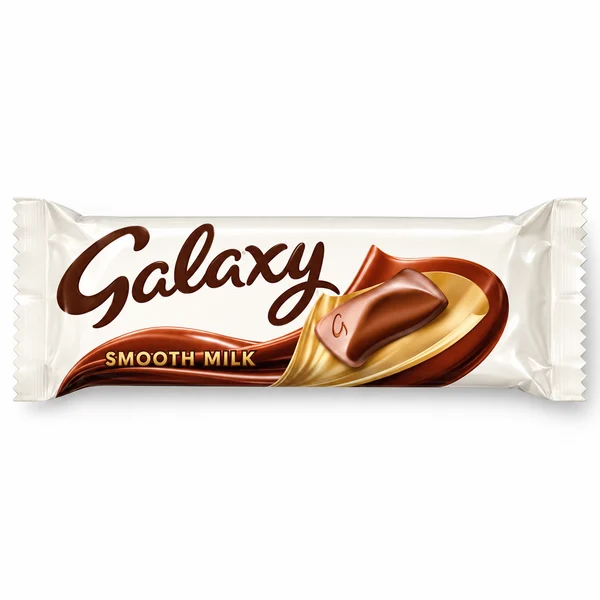
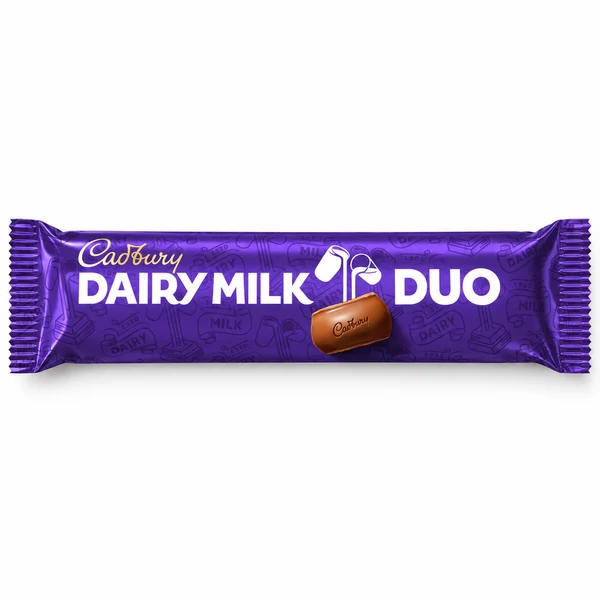
Quantities and ingredients belong to the exact listing and selected option. Check the current product page and physical pack for allergens, dietary information and storage.
Common questions
Has the cocoa percentage changed in the fridge?
No. Temperature does not change that recipe declaration.
Should every filled chocolate be warmed the same way?
No. Follow the exact pack’s handling and storage guidance.
Is a cold preference wrong?
No. A preferred texture is personal; a tasting recommendation serves a different purpose.
Sources and editorial notes
Written and illustrated by HRS Food. Research reviewed on , using the references below and live HRS product listings. Recipe examples, study findings and legal label definitions are identified in context. These explanatory illustrations do not establish a brand’s private recipe. Where a rule or recipe can change, check the linked authority and current pack.