By HRS Food · Published · Reviewed
What is kohakutou crystal candy?
Kohakutou is a Japanese confection often described as edible crystal candy. A typical preparation uses sugar, agar and water. Its distinctive contrast comes from a crystalline outer surface around a softer jelly-like interior, rather than being a solid sugar crystal all the way through. [1][2]

What is the centre made from?
Agar helps establish the gel in the typical preparation described by kohakutou specialist Toshiko Sugii Steffes. Sugar and water are the other central ingredients in that explanation. Flavourings and decorative additions vary.
The gem-like appearance is a design choice. An irregular jewel shape does not tell you its flavour, colour ingredients or dietary suitability. Read the maker’s exact composition, especially for mixed gift assortments.[1]
Where does the crisp outside come from?
During a suitable preparation and drying process, the exterior develops the sugary, crystalline finish associated with the sweet. That creates a contrast with the softer centre. It is not the same structure as an ordinary hard boiled sweet.
The balance depends on the recipe and drying conditions. A photograph cannot establish how a piece will feel when bitten, and different makers can aim for different shapes and finishes.[1][2]

Kohakutou, rock candy and gummies compared
Rock candy is associated with grown sugar crystals. Kohakutou is an agar-based confection with a contrasting surface and centre. A springy gummy is another texture category and may use a different gelling system.
Calling all three crystal candy or jelly sweets can hide the difference. If texture matters, look for a description of the centre as well as the outside, not just an attractive photograph.[1][2]
What to know before making or buying it
For home preparation, use a complete tested method with its ingredient quantities and drying instructions. Agar products and recipes are not all interchangeable. This article explains the confection rather than providing a universal drying timetable.
For bought pieces, keep the original label and storage advice. A typical plant-based base does not prove that every flavour, colour, coating or facility statement meets a particular dietary requirement.[1][2]
The key differences at a glance
| Sweet | Characteristic structure |
|---|---|
| Kohakutou | Crystalline surface with a softer gel centre |
| Rock candy | Grown sugar crystals |
| Gummy | A different gel formulation, often springier |
Related examples at HRS Food
These HRS sweets provide familiar texture comparisons. They are not kohakutou, konpeitō or Japanese ramune, and an appearance or shape does not make two sweets the same recipe.
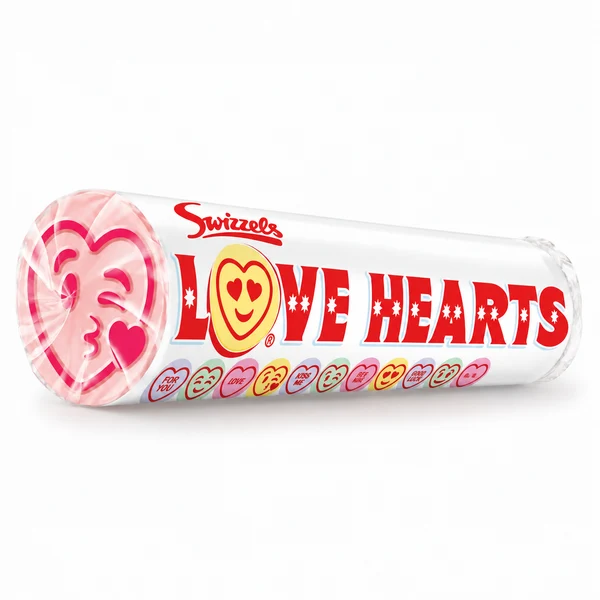
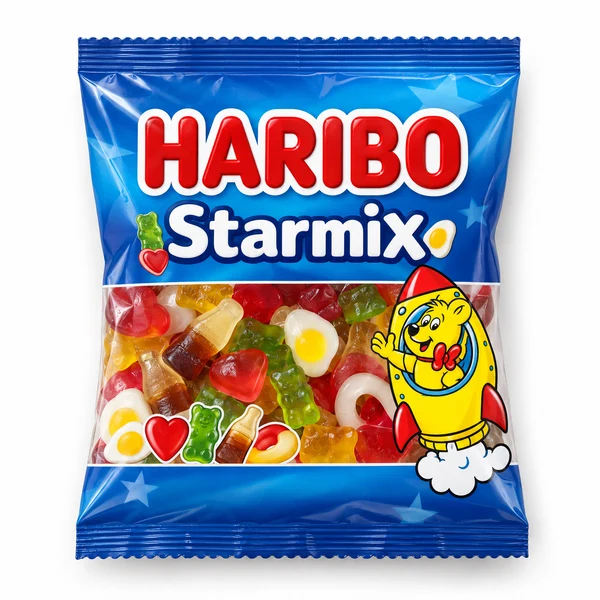
Quantities and ingredients belong to the exact listing and selected option. Check the current product page and physical pack for allergens, dietary information and storage.
Common questions
Is kohakutou the same as rock candy?
No. Its soft gel centre makes it a different preparation.
Does it contain real gemstones?
The jewel-like pieces are confectionery, not mineral crystals.
Is every version vegan?
Check the complete product, including flavourings, decorations and the maker’s declaration.
Sources and editorial notes
Written and illustrated by HRS Food. Research reviewed on , using the references below and live HRS product listings. Recipe examples, study findings and legal label definitions are identified in context. These explanatory illustrations do not establish a brand’s private recipe. Where a rule or recipe can change, check the linked authority and current pack.