By HRS Food · Published · Reviewed
Why do chocolate chips keep their shape in the oven?
Many chocolate chips are formulated to hold their shape during baking. They can soften without spreading like chopped chocolate. An intact outline does not mean the chip stayed cold or did not soften, and not every chocolate drop is a bake-stable chip. [1][2]

A chip shape does not tell the whole story
Manufacturers make chocolate in many forms: chips for cookies, drops for melting and pieces for coatings. They can look similar in a packet but behave differently when heated. The product’s intended application is the useful clue.
A warm chip may look unchanged until you press or bite it. The surrounding dough also holds pieces in place. Judge the texture once the bake has cooled enough to handle, rather than interpreting the outline as a thermometer.[1][3]
Why chopped chocolate often forms bigger pockets
A bar cut by hand produces pieces of different sizes and thicknesses. In King Arthur’s trials, this gives a different distribution of chocolate from an evenly sized chip. Chocolate formulation and the cookie recipe both influence the final result.
If you want chocolate in almost every bite, include some smaller chopped pieces. If you want larger patches, use some larger pieces too. Those are practical choices about distribution; they do not guarantee identical results with every bar.[2]

Are chips better for melting?
A product meant to keep its shape in a cookie is not automatically the easiest choice for a thin coating. Conversely, drops sold for chocolate work may be intended to melt smoothly. Read the manufacturer’s application advice before using a button-shaped product.
It is misleading to say that every chip contains one special ingredient or that all chips melt at one temperature. Fat balance and the whole formulation vary. Choose the named product for the job instead of relying on a universal chip rule.[1][4]
Choosing the texture you want
For repeated, recognisable pieces, start with chips that are sold for baking. For irregular flecks and pools, try a recipe that calls for chopped chocolate. Changing the format can also affect how a cookie spreads, so compare small batches.
Keep the rest of the recipe consistent if you are testing the difference. Weigh equal chocolate amounts and use the same dough portions and baking conditions. That makes the comparison more useful than changing several ingredients at once.[3][2]
The key differences at a glance
| Format | What to check |
|---|---|
| Baking chips | Whether they are sold for shape retention |
| Melting drops | Maker’s advice on melting and chocolate work |
| Chopped bar | Chocolate style, cocoa content and piece size |
Related examples at HRS Food
Compare ordinary chocolate bars with the baking chips a recipe specifies. Chopping a bar gives a different range of piece sizes; it does not turn the bar into a bake-stable chip formulation.
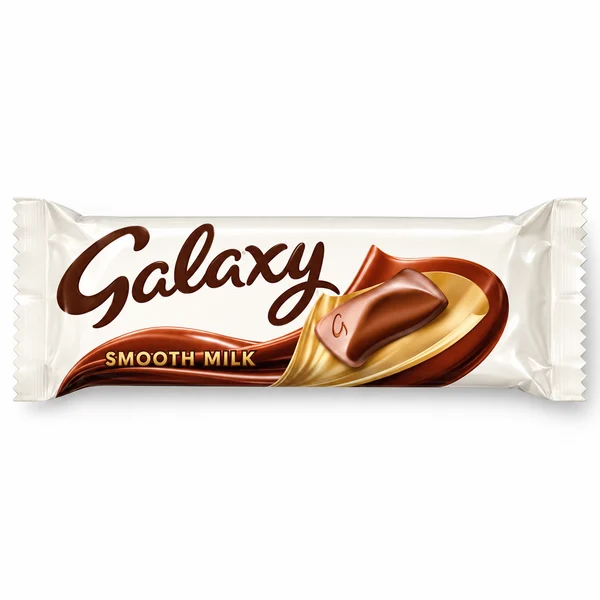
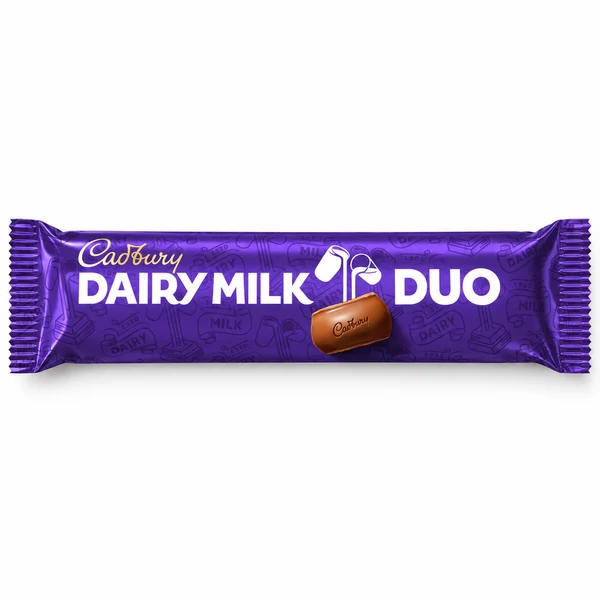
Quantities and ingredients belong to the exact listing and selected option. Check the current product page and physical pack for allergens, dietary information and storage.
Common questions
Do intact chips mean underbaked cookies?
No. Use the recipe’s doneness guidance for the cookie; chip shape is not a reliable test.
Are all chocolate drops baking chips?
No. Some drops are designed for melting and chocolate work.
Can I mix chips and chopped chocolate?
A suitable recipe can use both. Keep the total amount and other recipe requirements in mind.
Sources and editorial notes
Written and illustrated by HRS Food. Research reviewed on , using the references below and live HRS product listings. Recipe examples, study findings and legal label definitions are identified in context. These explanatory illustrations do not establish a brand’s private recipe. Where a rule or recipe can change, check the linked authority and current pack.