By HRS Food · Published · Reviewed
Peppermint vs spearmint sweets: what is different?
Peppermint and spearmint come from different mint plants and have different aroma profiles. Peppermint oil is commonly associated with menthol and menthone; spearmint oil is commonly associated with carvone. Finished sweets can use blends, so the name does not establish an identical strength or recipe across brands. [1][2]

Why do the two mints smell different?
Research analysing peppermint and spearmint oils found different major compounds in the samples. The difference is a useful explanation for why two products described as mint can have recognisably different aromas.
It is still a mixture, not a single-molecule flavour. Plant variety and the way an oil or flavouring is prepared also matter. Do not expect every peppermint sweet to match every other peppermint sweet exactly.[1][2]
Is peppermint always stronger?
People often use stronger to mean several things: more cooling, more aroma, more sweetness or simply a more noticeable flavour. Those are not interchangeable measurements. The formulation of the finished sweet can change each of them.
Compare the same kind of confection if you want a fair impression. A sugar-free chewing gum and a boiled mint may release flavour differently even when both have a peppermint description.[2][3]

Why does the sweet format matter?
A dissolving tablet, a boiled sweet and a chewing gum deliver flavour through different structures and eating patterns. Acidity, sweeteners and the amount of flavouring also affect the overall experience.
That means a familiar plant name is a useful starting point, but not a guarantee of the bite or lasting flavour you prefer. Read the actual product description, especially if you are changing between gums, tablets and hard sweets.[3][2]
How to compare two mint sweets
Use small, clearly identified samples of comparable formats. Notice aroma, cooling sensation, sweetness and texture separately. Leave time between samples rather than treating the second sweet as a completely independent first impression.
Do not transfer dietary claims between mint flavours or pack types. The same range name can cover different ingredients. Check the current wrapper for allergens, sweeteners and any warning that applies to the exact pack.[1]
The key differences at a glance
| Comparison | What to notice |
|---|---|
| Peppermint | A mint profile often associated with menthol and menthone |
| Spearmint | A mint profile often associated with carvone |
| Finished sweet | Flavour blend, sweetness and format also matter |
Related examples at HRS Food
Compare the exact peppermint and spearmint gum listings below. The mint name is useful, but the complete recipe and chewing-gum format also contribute to the experience.
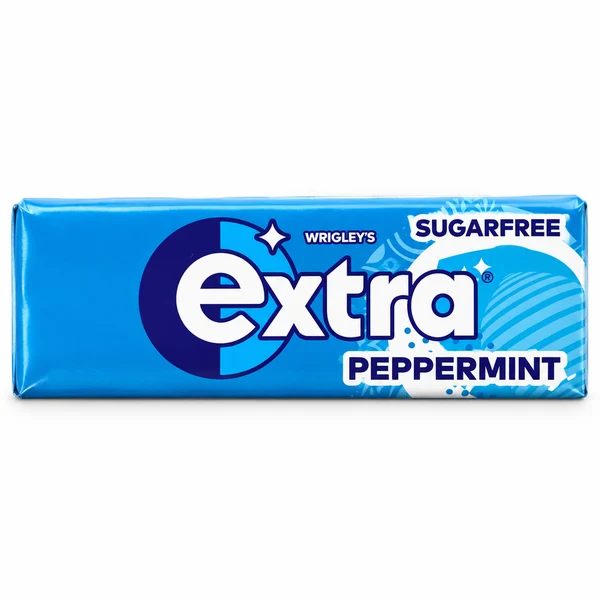
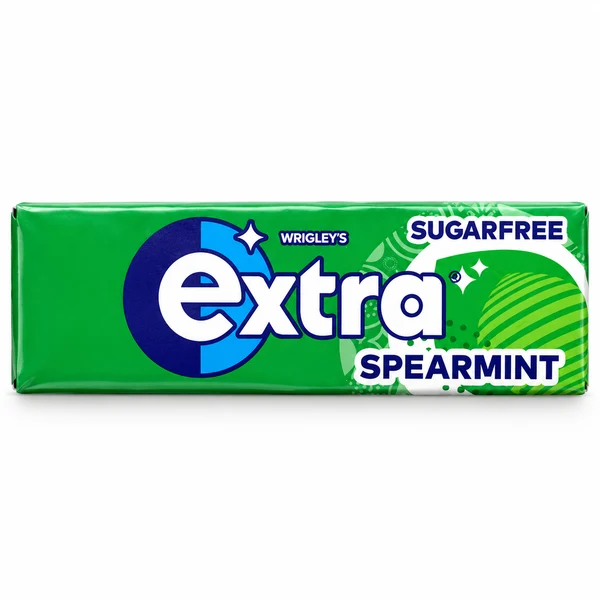
Quantities and ingredients belong to the exact listing and selected option. Check the current product page and physical pack for allergens, dietary information and storage.
Common questions
Are peppermint and spearmint the same plant?
They are distinct mint types with different characteristic aroma profiles.
Is every spearmint sweet mild?
No. Strength depends on the maker’s formulation and what you mean by mild.
Can I assume both versions have the same sweeteners?
No. Read the ingredient list for each exact product.
Sources and editorial notes
Written and illustrated by HRS Food. Research reviewed on , using the references below and live HRS product listings. Recipe examples, study findings and legal label definitions are identified in context. These explanatory illustrations do not establish a brand’s private recipe. Where a rule or recipe can change, check the linked authority and current pack.