By HRS Food · Published · Reviewed
Bonbon sweets explained: what is beneath the powdery coating?
In a British pick-and-mix context, bonbons often mean rounded, sugar-dusted chewy sweets. Beneath the powdery surface, the centre can differ by product: some are toffee-style, while others use a different chewy formulation. The coating does not prove that every bonbon has the same ingredients. [1][2]

What is the powder on bonbon sweets?
The sweetshop examples checked for this guide are described as sugar-dusted. The fine surface coating gives a different first sensation from the chew underneath; it is part of the sweet rather than a paper wrapper.
This guide is about the rounded British sweetshop format. The word bonbon is also used for other confectionery, so a product picture and full description are more useful than the word on its own.[1][2]
Is every powdery coating sour?
No. A dusty appearance does not establish which acids or flavourings are present. Check the exact sweet’s description and ingredients.
Are all bonbons filled with toffee?
No. The named Bristow’s traditional salted-caramel example is described as having a chewy toffee centre. The Kingsway Veggie Strawberry product has its own different declaration.
Treat traditional and chewy as clues to investigate rather than exact universal recipes. You can compare the firmness of the centre and the coating, but you cannot identify milk, gelatine or dietary suitability by looking at a pink or blue surface.[1][2]
How do you choose pick-and-mix bonbons?
Start with the named flavour and maker, then read the full ingredients. Compare net weight rather than the apparent number of pieces in a jar photograph. Round sweets can vary in size, so a count guessed from a picture is unreliable.
For a mixed selection, keep the product names and declarations together. The HRS examples below are other chewy sweet formats for comparison, not bonbon listings. They help illustrate why a fruit chew or a fudge bar should not be renamed a bonbon merely because it is soft.[1][2]
Compare the differences at a glance
Explore the difference
Powdery outside
A sugar-dusted surface in the named examples.
| Look for | What it tells you |
|---|---|
| Powdery outside | A sugar-dusted surface in the named examples. |
| Traditional toffee-style centre | One specific bonbon construction. |
| Other chewy recipes | A different declaration can sit beneath a similar-looking coating. |
Related confectionery at HRS Food
Related chewy sweets at HRS: Starburst and Cadbury Fudge. These are comparisons with different constructions, not bonbons.
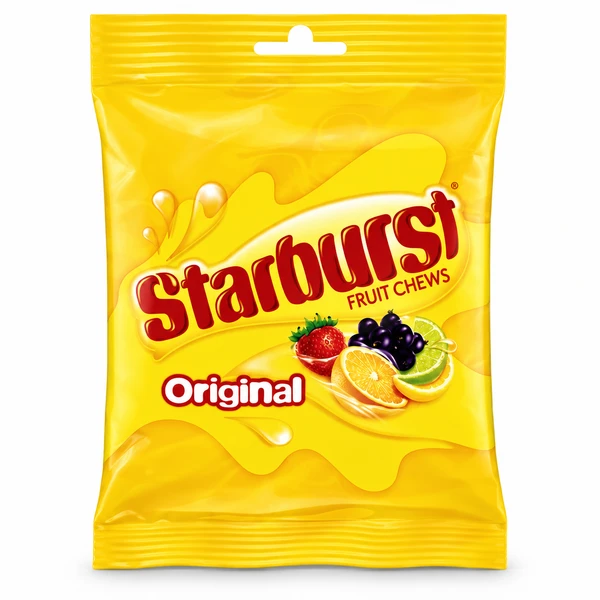
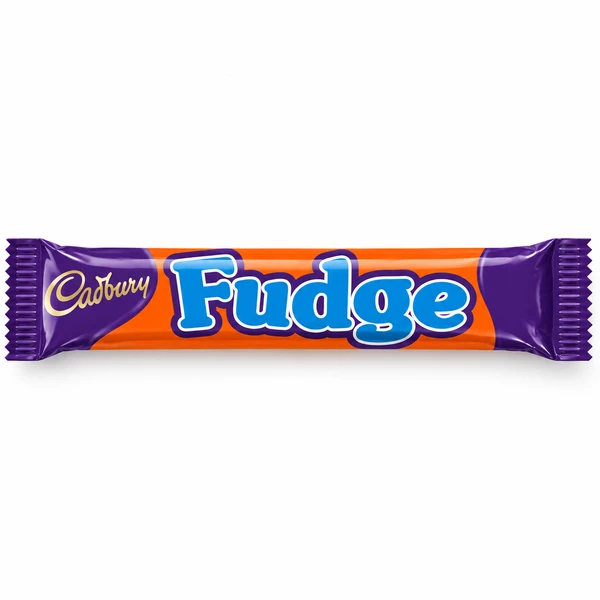
Product images identify the named retail or case formats; quantities are set by the linked listing and your selected option. Use the current product page and physical pack for ingredients, allergens, dietary suitability and storage. Recipes and available formats can change.
Customer questions, answered
Sources and how we checked
Written by HRS Food. Brand and science references checked on ; HRS product examples checked against the live catalogue. The cited regional product is identified where market recipes differ. This is an independent educational guide. The illustrations explain structure and are not evidence of a private manufacturing recipe.