By HRS Food · Published · Reviewed
What does cocoa percentage mean on chocolate?
The cocoa percentage tells you how much of the chocolate comes from cocoa ingredients, including cocoa mass and cocoa butter. A 70% chocolate contains 70g of cocoa-derived ingredients per 100g of that chocolate. It does not mean 70% cocoa powder, 70% bitterness or a guaranteed quality score. [1][2]

What counts towards the cocoa percentage?
Cocoa mass contains both cocoa butter and the other solids from the bean. Manufacturers may also add cocoa butter separately. Both can contribute to the cocoa total, so two bars with the same headline percentage can have different recipes and textures.
Think of the percentage as a description of the recipe’s cocoa share. It is not a breakdown of each cocoa ingredient. For that, read the ingredients list and any more detailed information the maker supplies.[1][2]
Does 70% cocoa mean 30% sugar?
Not necessarily. In a plain dark chocolate, sugar may make up much of the remaining share, but other ingredients can also be present. Milk, flavourings, emulsifiers and inclusions complicate the calculation further. Read the nutrition panel for the actual sugars figure.
A useful imaginary example is a 100g chocolate with 70g cocoa ingredients, 29g sugar and 1g other ingredients. That illustrates the arithmetic; it is not the recipe or nutrition of a particular HRS product.[1]

Why can two 70% bars taste different?
Origin, cocoa bean selection, roasting, the balance of cocoa mass and butter, and the complete recipe all matter. Cocoa percentage alone cannot describe acidity, fruitiness, roast notes or how quickly a chocolate melts.
For a fair tasting, compare small pieces of plain bars at similar temperatures. Read the maker’s tasting description before deciding whether a higher number is what you actually want. More cocoa is a different balance, not automatically your favourite balance.[3]
How to use the number when shopping
Start with the chocolate style, then use the percentage to narrow your choice. Compare the same format: a plain bar and a filled chocolate are different purchases. Check whether a percentage relates to the chocolate coating rather than the whole filled product.
Keep cocoa content, nutrition and dietary suitability as separate checks. A high cocoa percentage does not establish that a bar is milk-free or suitable for an allergy. The exact ingredients and precautionary allergen statement still matter.[1]
The key differences at a glance
Try the cocoa-percentage arithmetic
Enter a chocolate weight and cocoa percentage. This calculates cocoa-derived weight only; it does not calculate sugar, energy or dietary suitability.
The starting values are imaginary examples, not the nutrition of a linked HRS product.
| Label clue | What it tells you |
|---|---|
| 70% cocoa | Cocoa-derived share, not a bitterness score |
| Sugars per 100g | The separate nutrition figure to compare |
| Ingredient list | Which cocoa ingredients and additions are used |
Related examples at HRS Food
Compare the cocoa and nutrition declarations on these milk-chocolate formats. They are familiar shopping examples, rather than the imaginary 70% chocolate used in our calculation.
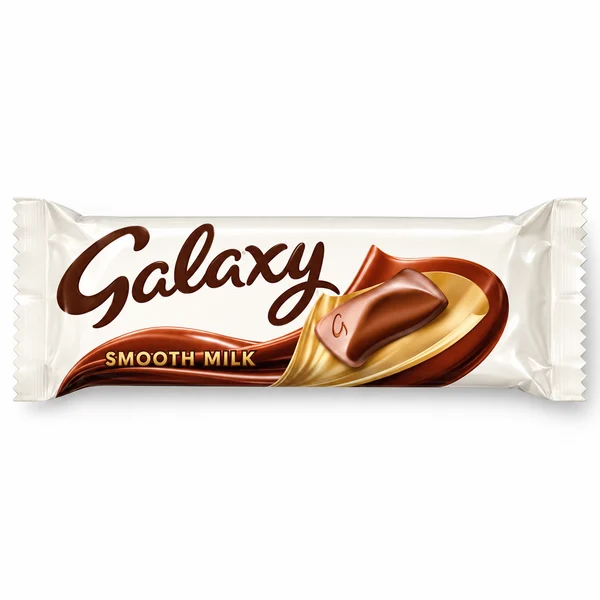
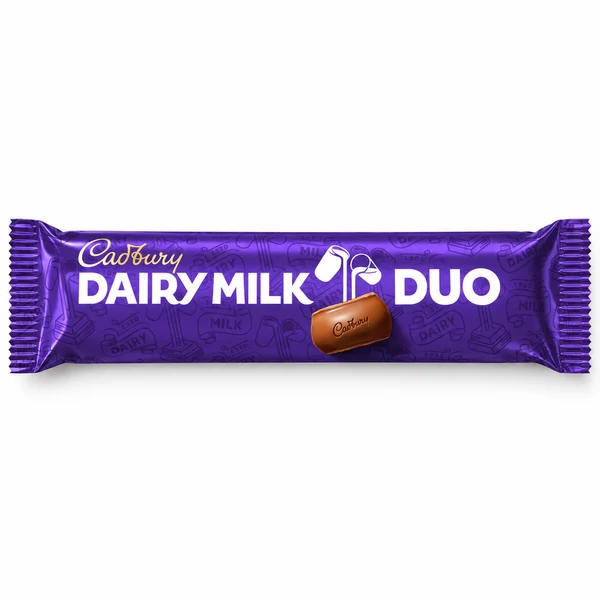
Quantities and ingredients belong to the exact listing and selected option. Check the current product page and physical pack for allergens, dietary information and storage.
Common questions
Is cocoa butter included?
Yes. Cocoa butter is derived from cocoa beans and can contribute to the stated cocoa percentage.
Is a higher percentage always better?
It gives a different cocoa balance. Quality and personal preference cannot be reduced to that number.
Does 70% mean dairy-free?
No. Check the exact ingredients and allergen declaration rather than using cocoa percentage as an allergy claim.
Sources and editorial notes
Written and illustrated by HRS Food. Research reviewed on , using the references below and live HRS product listings. Recipe examples, study findings and legal label definitions are identified in context. These explanatory illustrations do not establish a brand’s private recipe. Where a rule or recipe can change, check the linked authority and current pack.