By HRS Food · Published · Reviewed
How is candied fruit different from dried fruit?
Candied fruit is fruit or peel treated with sugar syrup so that its composition and texture change. Dried fruit is preserved mainly by removing water. The processes are different, and a fruit-shaped or fruit-flavoured sweet is not automatically either one. [1][2]

What happens during candying?
Lilamand describes a gradual process in which fruit is treated with renewed sugar syrup over time. The technique allows the syrup treatment to affect the fruit while retaining its recognisable form. Different fruits require their own handling.
Candying is more than sprinkling sugar onto fresh fruit. A surface coating and an extended syrup treatment do different things, even though both can make something taste sweeter.[1]
Why is candied citrus peel a familiar example?
A citrus peel recipe commonly includes preparation, blanching and simmering in syrup. King Arthur’s demonstration shows these as separate stages: the peel is prepared before it is candied.
The result can be used as a confection or a baking ingredient. That does not make it interchangeable with fresh zest. Zest, fresh peel and candied peel contribute different amounts of water, sugar and structure to a recipe.[2]

How does dried fruit differ?
Drying chiefly reduces the fruit’s water content. Candying involves a sugar-syrup treatment. A manufacturer may combine processes or add other ingredients, so use the actual product description rather than expecting every fruit product to fit a single simple label.
Neither process makes a universal nutrition claim. Compare the declared sugars and serving size on the actual packets. The original fruit name is not enough to establish a finished product’s composition.[1][2]
Choosing fruit for sweets or baking
Check whether a recipe asks for candied peel, dried fruit, fresh fruit or a purée. Weigh the specified ingredient rather than replacing it by appearance. A fruit-flavoured gummy is a different confectionery comparison altogether.
Keep the pack’s storage instructions after opening. Commercially candied fruit and a homemade preparation can have different handling requirements. Avoid borrowing one product’s shelf life for another method or recipe.[1][2]
The key differences at a glance
| Product | Main distinction |
|---|---|
| Candied fruit or peel | Treated with sugar syrup |
| Dried fruit | Water is removed during drying |
| Fruit-flavoured sweet | Its ingredients may differ greatly from fruit pieces |
Related examples at HRS Food
Compare the linked HRS formats alongside the explanation above. These are product examples, not evidence of a particular factory recipe. Check the exact listing and current pack before choosing.
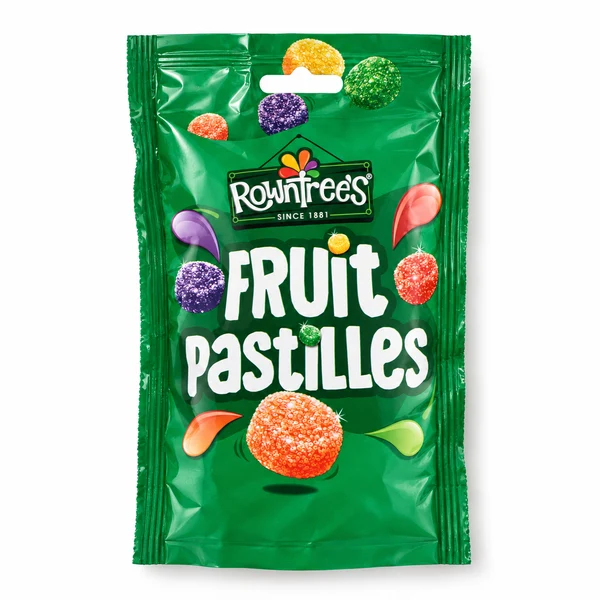

Quantities and ingredients belong to the exact listing and selected option. Check the current product page and physical pack for allergens, dietary information and storage.
Common questions
Is fruit jelly the same as candied fruit?
No. A set fruit confection is a different preparation from syrup-treated fruit pieces.
Is sugared fresh fruit already candied?
A surface sugar coating alone is not the same as the candying process described here.
Can I replace zest with candied peel?
Only where the recipe allows it. Their texture, water and sugar contributions differ.
Sources and editorial notes
Written and illustrated by HRS Food. Research reviewed on , using the references below and live HRS product listings. Recipe examples, study findings and legal label definitions are identified in context. These explanatory illustrations do not establish a brand’s private recipe. Where a rule or recipe can change, check the linked authority and current pack.