By HRS Food · Published · Reviewed
Why can sour sweets seem less sour as you eat them?
The acid reaching your tongue can change as a sweet dissolves, and your perception can change during tasting too. Surface ingredients, saliva, the sweet’s internal recipe and sensory adaptation can all matter. It is too simple to say your taste buds always switch off after the first sour bite. [1][2]

The acid dose can change while the sweet dissolves
Some confectionery designs deliver a different first impression from later bites. As ingredients dissolve and mix with saliva, the concentration reaching the tongue changes. A sweet with acid throughout will not necessarily behave like one with a distinct surface treatment.
Impact Confections identifies several acids used in its sour range, including citric and malic acids. That confirms that sour is a recipe effect, but not that all sour products have one identical coating or release pattern.[1]
Does sensory adaptation explain everything?
Research shows that sourness adaptation depends on the stimulus and experimental conditions. One acid-adaptation study did not obtain the same response for all acids. A separate beverage study found neither sourness buildup nor adaptation across its tasting session.
Those results are a useful reason to avoid a universal claim. A changing experience with a sweet is not, on its own, proof that your tongue has permanently lost sensitivity or that one fixed adaptation timetable applies.[2][3]

Why does the same sweet feel different to different people?
Sensitivity, the product’s recipe and the way it is eaten all contribute to the experience. The maker of WARHEADS notes that some mouths are more sensitive to food acids and that its extremely sour products can cause irritation.
Feeling less sour is not a reason to keep increasing exposure or turn eating into an endurance challenge. Stop if a sweet causes discomfort and follow the product’s warnings. Intensity is not a competition.[1]
How to describe the change accurately
Describe what you notice: a sharp first contact, a longer sour centre, a sweeter finish or a change between bites. Those are useful observations without pretending to identify a private factory process from taste alone.
If comparing products, read each ingredient list and keep them clearly identified. A difference in flavour, texture or acidity does not mean one product has gone wrong; it may simply be designed for a different experience.[1][3]
The key differences at a glance
| Factor | Why it matters |
|---|---|
| Changing concentration | Ingredients dissolve and mix with saliva |
| Product design | Surface and internal recipes can differ |
| Perception | Adaptation is conditional, not a universal switch |
Related examples at HRS Food
Compare the linked HRS formats alongside the explanation above. These are product examples, not evidence of a particular factory recipe. Check the exact listing and current pack before choosing.
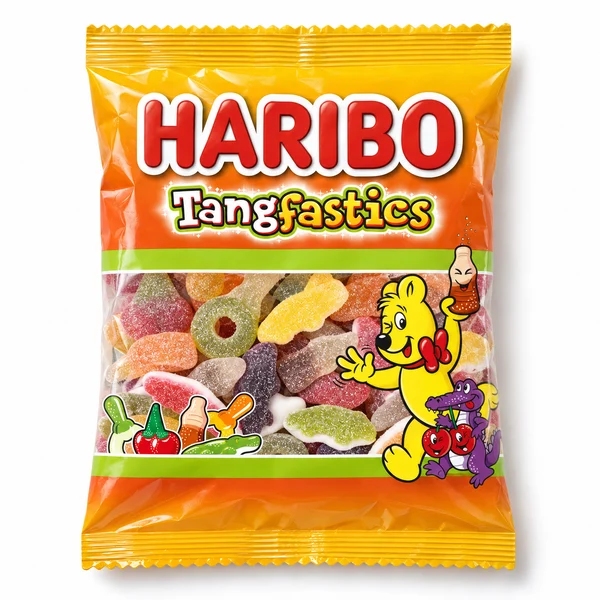
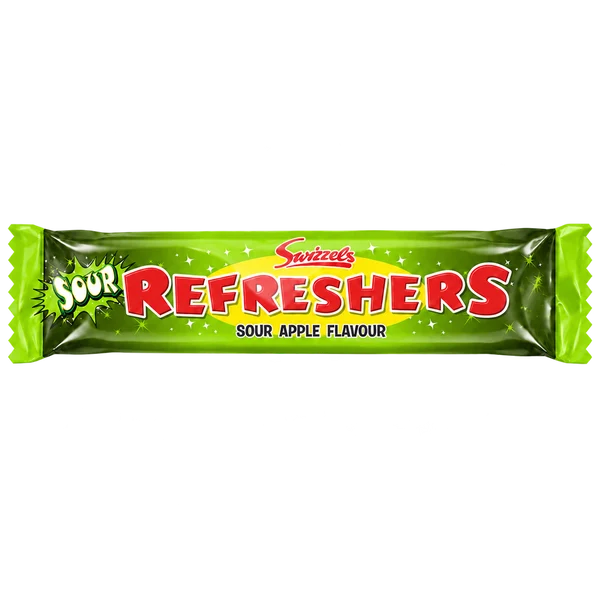
Quantities and ingredients belong to the exact listing and selected option. Check the current product page and physical pack for allergens, dietary information and storage.
Common questions
Does sourness always fade?
No. The recipe, exposure and person differ.
Can I tell which acid is used by taste alone?
Not reliably. Use the ingredient declaration.
Should I keep eating if my tongue feels irritated?
No. Stop and follow the pack’s warnings rather than treating discomfort as a challenge.
Sources and editorial notes
Written and illustrated by HRS Food. Research reviewed on , using the references below and live HRS product listings. Recipe examples, study findings and legal label definitions are identified in context. These explanatory illustrations do not establish a brand’s private recipe. Where a rule or recipe can change, check the linked authority and current pack.