By HRS Food · Published · Reviewed
Boiled sweets explained: how do sugar mixtures become hard drops?
Boiled sweets are made by concentrating a sugar mixture and letting it set into a hard structure. Many are glass-like rather than made of large sugar crystals. Colour, flavour, added ingredients and handling can change the finished appearance, so clear and cloudy sweets are not automatically different quality grades. [1][2]

How does a sugar syrup become a hard boiled sweet?
As a sugar mixture cooks, water leaves and its concentration changes. The final concentration and cooling help determine whether the sweet will be soft, flexible or hard. Candy science describes many hard sweets as non-crystalline or glass-like.
Glass-like describes physical structure, not the presence of real glass. A hard drop should not be confused with rock candy, where visibly grown sugar crystals are the point of the product.[1][2]
Are boiled sweets just sugar crystals pressed together?
Many hard sweets set from a concentrated syrup into a non-crystalline structure. A pressed tablet sweet is a different manufacturing format.
Why are some boiled sweets clear and others cloudy?
A fairly uniform structure can look transparent, while crystals, bubbles or added ingredients can scatter light. Some sweets are deliberately opaque or contain fillings, so clarity alone is not a reliable quality test.
Compare the description and centre as well as the surface. A cola cube, a mint humbug and a filled fruit drop can belong to the broad hard-sweet family while having different recipes and constructions.[1]
Why do hard sweets become sticky after opening?
Candy can take up moisture from humid air. That extra moisture changes the surface and can soften a sweet that was intended to be hard. This is one reason the packaging and storage instructions matter after opening.
Choose the exact flavour and pack size, then close the package as directed. The HRS Fox’s Glacier Fruits example is a hard sweet; Love Hearts Original rolls are a different fizzy tablet format linked for comparison. A similar small size does not mean the sweets are made the same way.[3]
Compare the differences at a glance
Explore the difference
Hard boiled drop
Concentrated syrup sets into a hard structure.
| Look for | What it tells you |
|---|---|
| Hard boiled drop | Concentrated syrup sets into a hard structure. |
| Rock candy | Large sugar crystals are deliberately grown. |
| Pressed tablet | A different format from a syrup-set drop. |
Related confectionery at HRS Food
Fox’s Glacier Fruits are the hard-sweet example. Love Hearts are a different pressed-tablet format included to make the distinction clear.
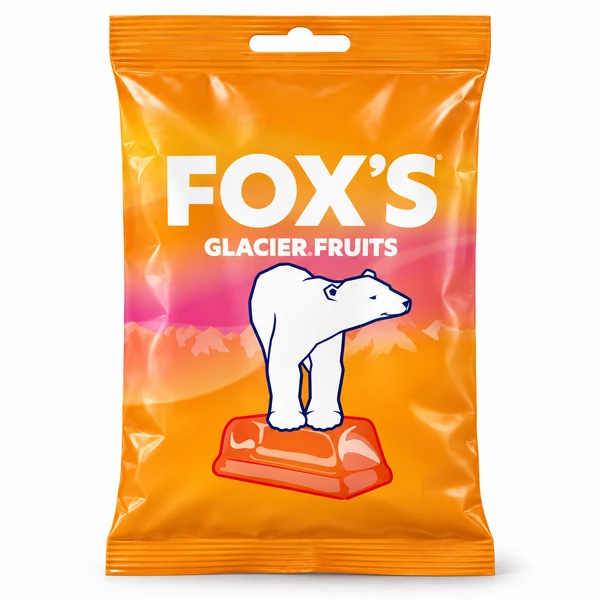
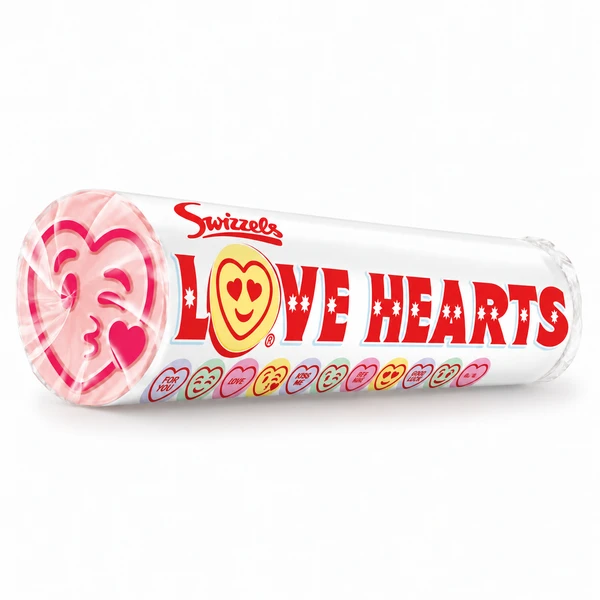
Product images identify the named retail or case formats; quantities are set by the linked listing and your selected option. Use the current product page and physical pack for ingredients, allergens, dietary suitability and storage. Recipes and available formats can change.
Customer questions, answered
Does cloudy mean a boiled sweet has gone bad?
Not by itself. Bubbles, crystals, fillings or added ingredients can affect appearance. Follow the pack and use the full condition of the product, not clarity alone. [1]
Why can an opened bag of hard sweets stick together?
Moisture absorbed from humid air can soften the surface and make pieces adhere. [3]
Sources and how we checked
Written by HRS Food. Brand and science references checked on ; HRS product examples checked against the live catalogue. The cited regional product is identified where market recipes differ. This is an independent educational guide. The illustrations explain structure and are not evidence of a private manufacturing recipe.