By HRS Food · Published · Reviewed
Dutch-process vs natural cocoa: which should you use?
Dutch-process cocoa has been treated with an alkalising agent to reduce its acidity. Natural cocoa has not had that treatment. The difference can affect flavour, colour and the way cocoa interacts with a recipe’s raising agents, so the best choice depends on what you are making. [1][2]

What does Dutch processing change?
Alkalisation changes cocoa’s acidity and often darkens its colour. That does not turn it into a sweetened hot chocolate mix: added sugar is a separate ingredient question. Read the product description for words such as alkalised or Dutch-process.
Neither category is one single flavour. The cocoa itself and the degree of processing vary. Darker colour alone is not a dependable measure of cocoa percentage, intensity or how much you will enjoy a finished bake.[1][2]
Why baking soda and baking powder matter
Natural cocoa’s acidity can be part of a recipe’s reaction with baking soda. Baking powder contains its own acid-and-base system, so recipes can be balanced differently. This is why a cocoa substitution sometimes affects more than colour.
Do not decide which cocoa to buy by looking at one ingredient in isolation. A recipe may contain several acidic ingredients or both raising agents. Its author’s instructions are more useful than a blanket rule that all cakes need one cocoa type.[1]

When there is no raising agent
In preparations where a raising reaction is not involved, taste and colour often become the main reasons to choose a cocoa. King Arthur notes that either style can work in recipes without baking soda or baking powder, subject to the recipe’s other requirements.
For a drink, use a cocoa whose flavour you enjoy and follow a suitable preparation method. For a frosting or dessert, remember that a stronger colour does not necessarily mean a more pleasing balance with the other ingredients.[2]
What to do if you only have the other type
Read the recipe’s substitution notes first. If there are none, choose a tested recipe that uses your cocoa rather than making several improvised changes. That is particularly useful when you are baking something for other people.
If you do experiment, make a small batch and keep the brand, cocoa type and measurements in your notes. A successful result with one cocoa does not prove that every powder sold under a similar name will behave identically.[1][2]
The key differences at a glance
Explore the comparison
Choose a term to read its explanation. The full comparison is in the table below.
Use that type first
| Question | Useful action |
|---|---|
| Does the recipe specify a cocoa? | Use that type first |
| Does it rely on a raising reaction? | Avoid a casual substitution |
| No raising agent? | Consider flavour, colour and the remaining recipe |
| Only a drink mix available? | Check added ingredients; it is a different product |
Related examples at HRS Food
The linked HRS examples are chocolate bars. For baking that calls for natural or Dutch-process cocoa, buy the named cocoa-powder type rather than trying to identify it from a bar’s colour.
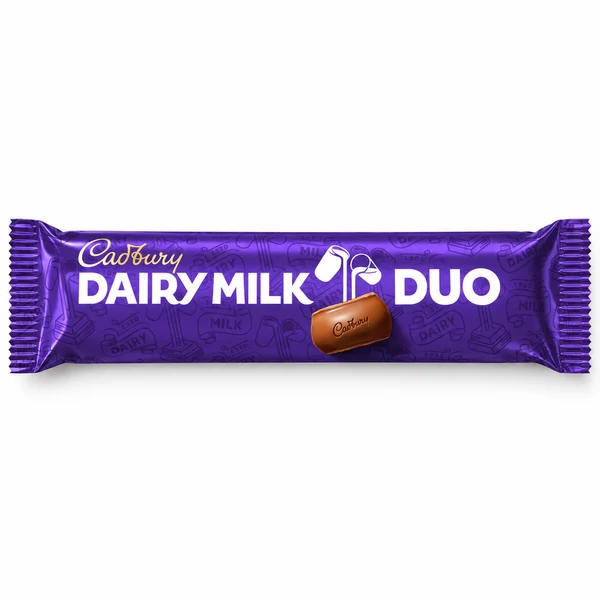

Quantities and ingredients belong to the exact listing and selected option. Check the current product page and physical pack for allergens, dietary information and storage.
Common questions
Is Dutch-process cocoa sweetened?
Not necessarily. Alkalisation and added sugar are separate questions.
Is black cocoa identical to every Dutch cocoa?
No. Processing intensity and product specifications vary.
Can I use either for hot chocolate?
A suitable drink recipe can use either. Flavour preference and any added ingredients still matter.
Sources and editorial notes
Written and illustrated by HRS Food. Research reviewed on , using the references below and live HRS product listings. Recipe examples, study findings and legal label definitions are identified in context. These explanatory illustrations do not establish a brand’s private recipe. Where a rule or recipe can change, check the linked authority and current pack.