By HRS Food · Published · Reviewed
Lindt Lindor explained: why does the centre melt differently?
A Lindor truffle has two deliberately different parts: a chocolate shell and a smooth filling with a low melting point. The centre softens readily in your mouth while the shell provides the first break. It is a filled chocolate, not a solid ball of the same mixture all the way through. [1][2]

What is inside a Lindor truffle?
Lindt describes making a hollow chocolate shell in a mould and adding a smooth filling. Its explanation identifies the filling’s low melting point as the reason it melts readily on the tongue.
The shell and filling have different jobs. One holds the shape and gives a delicate break; the other creates the soft centre. A simple cutaway is therefore more informative than describing the whole truffle as merely softer chocolate.[1]
Is the centre liquid inside the wrapper?
A smooth-melting centre does not have to be a freely flowing liquid at every storage temperature. Melting describes how it changes as it warms.
Why does a chilled Lindor feel different?
Lindt recommends room temperature for appreciating the chocolate’s flavour, while recognising that people enjoy chilled truffles too. Cooling changes the starting texture: the centre can feel firmer before it warms in your mouth.
For a fair comparison, compare pieces under similar conditions. If one has been in a cold room and another in a warm pocket, you are testing temperature as well as the chocolate. Follow the storage instructions for the pack.[1]
Are all Lindor flavours the same recipe?
No. The milk, dark, white and hazelnut varieties are separate formulations. Lindt’s assorted-product declarations show that filling ingredients and allergens need to be checked for the named selection, not inferred from a wrapper colour alone.
The HRS examples below are related milk-chocolate formats for comparison, not Lindor listings. Compare a solid bar with a filled truffle to understand how construction changes the bite; do not assume the solid bar will reproduce Lindor’s centre.[2]
Compare the differences at a glance
Explore the difference
Outer shell
Chocolate provides the shape and initial break.
| Look for | What it tells you |
|---|---|
| Outer shell | Chocolate provides the shape and initial break. |
| Smooth filling | Designed to soften readily as it warms. |
| Flavour variant | Read the named formulation, not only the wrapper colour. |
Related confectionery at HRS Food
Related chocolate formats at HRS: these are solid chocolate and filled wafer examples, not Lindor products.
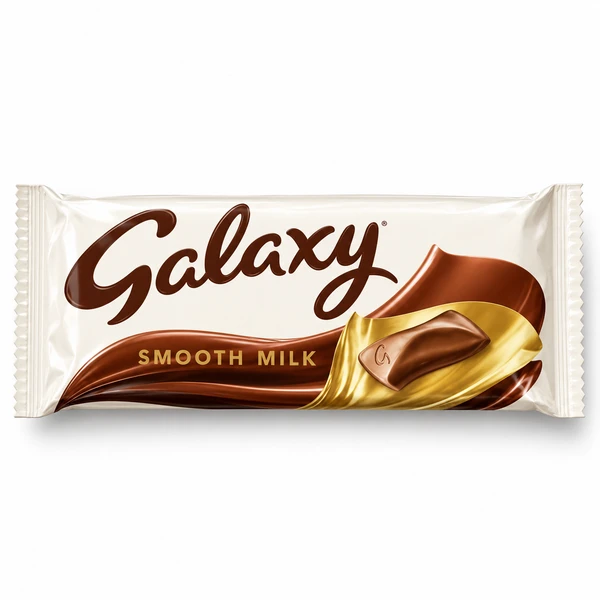
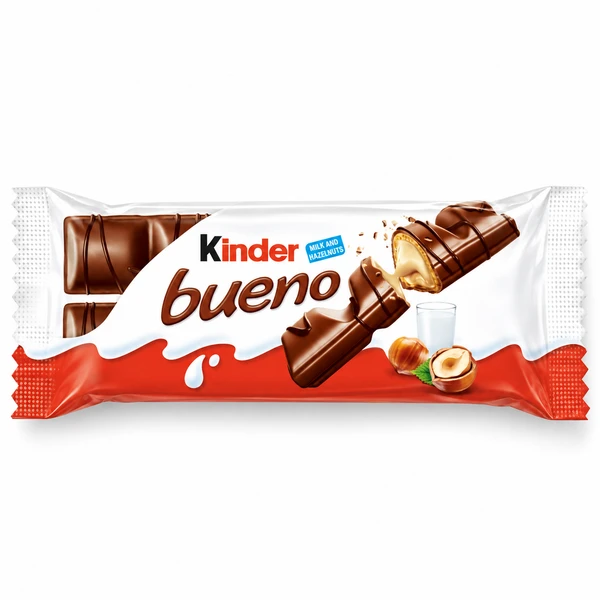
Product images identify the named retail or case formats; quantities are set by the linked listing and your selected option. Use the current product page and physical pack for ingredients, allergens, dietary suitability and storage. Recipes and available formats can change.
Customer questions, answered
Sources and how we checked
Written by HRS Food. Brand and science references checked on ; HRS product examples checked against the live catalogue. The cited regional product is identified where market recipes differ. This is an independent educational guide. The illustrations explain structure and are not evidence of a private manufacturing recipe.