By HRS Food · Published · Reviewed
What are sugared almonds, and why wedding favours?
Sugared almonds are almonds covered in a sugar coating, also known in some traditions as confetti or dragées. They are associated with wedding favours and other celebrations. A common tradition gives five almonds symbolic meanings, but customs vary and should not be treated as one universal rule. [1][2]

What is inside a sugared almond?
The basic format has an almond centre with a sugar covering. Makers offer different almond selections, coatings and colours. Confetti Boccia describes an Avola almond product with a fine sugar coating, illustrating why the named variety matters.
Do not confuse that basic format with every sweet sold as a dragée. Other products can have chocolate layers or different centres. The contents description is a better guide than the decorative colour.[1]
Why are they given at weddings?
Confectioners connect these sweets with celebration and gift-giving. In one familiar interpretation, five almonds stand for health, wealth, long life, fertility and happiness. Confetti Boccia records that symbolism for traditional favours.
Present it as a tradition, not a documented origin story applying to every country and family. People can choose a different number, colour or sweet to suit their own celebration without changing the meaning of the occasion.[1][2]

Are all white wedding sweets sugared almonds?
No. A similar white sugar shell can cover a different centre. Read the product name and ingredients before putting a sweet into a favour bag, especially when guests may reasonably assume it contains an almond.
Equally, a differently coloured coating does not make an almond-containing sweet nut-free. Decorative presentation cannot replace the ingredient and allergen information.[1]
How to make favours useful for guests
Keep the maker’s label or provide the exact ingredient information with the favours. Choose packaging that suits food and protects the sweets, and count the pieces deliberately if you are following a particular custom.
For guests who cannot have the chosen sweet, select a separately identified alternative rather than putting an unlabelled substitute into an identical bag. A clearly described gift is more thoughtful than one whose contents must be guessed.[1][2]
The key differences at a glance
| Feature | What it means |
|---|---|
| Almond centre | An ingredient to identify clearly |
| Sugar coating | A separate layer, available in different finishes |
| Five-piece favour | A familiar custom, not a universal requirement |
Related examples at HRS Food
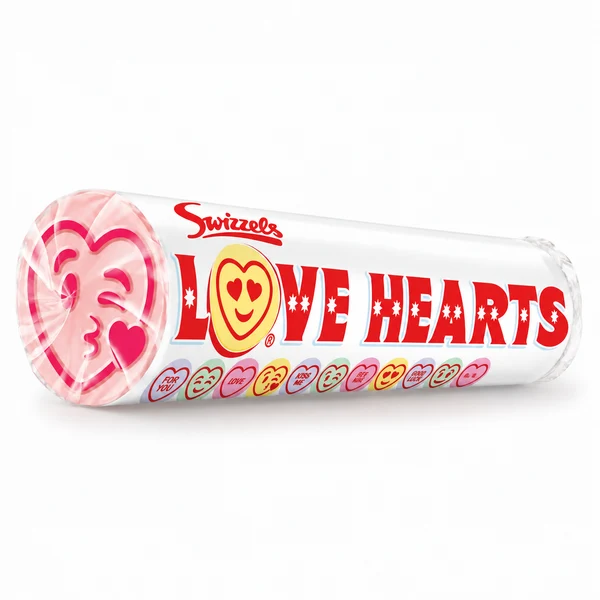
Love Hearts provide a different sweet-favour idea, while Snickers illustrates a nut-containing chocolate format. Neither is a sugared almond, so keep the choice clearly named when planning wedding favours.

Quantities and ingredients belong to the exact listing and selected option. Check the current product page and physical pack for allergens, dietary information and storage.
Common questions
Does confetti mean paper here?
In this confectionery context it can refer to the sugared sweets, not paper confetti.
Must favours contain five almonds?
No. Five is a traditional choice in some customs, not a universal rule.
Can coating colour identify the centre?
No. Use the product name and ingredient information.
Sources and editorial notes
Written and illustrated by HRS Food. Research reviewed on , using the references below and live HRS product listings. Recipe examples, study findings and legal label definitions are identified in context. These explanatory illustrations do not establish a brand’s private recipe. Where a rule or recipe can change, check the linked authority and current pack.