By HRS Food · Published · Reviewed
Why does salt change the taste of chocolate?
Salt adds its own taste and can also change how other tastes are perceived. Research with taste mixtures shows that sodium can suppress some bitterness, making sweetness more noticeable in some conditions. That helps explain the appeal of salted chocolate, but it does not mean more salt always tastes better. [1][2]

How can salt make sweetness stand out?
Breslin and Beauchamp’s research describes bitterness suppression as one explanation for flavour enhancement by salt. If a bitter sensation becomes less prominent, another part of the mixture may be easier to notice.
The experiments concern controlled taste mixtures. Applying that idea to a chocolate bar is an explanation, not proof that every salted chocolate will have the same measured effect. A complete bar also has aroma, fat, texture and its own recipe.[1][2]
Why can a salt crystal feel different from mixed-in salt?
Distribution matters to the eating experience. A visible crystal can create a local salty burst, while salt dispersed through a preparation is experienced differently. The whole bite can also contain caramel, nuts or other contrasting textures.
Look at what the maker actually describes. Salted caramel chocolate is not simply a plain bar with a known laboratory dose of sodium added. Several recipe changes can contribute to its flavour.[2]

Does a little salt always improve chocolate?
No. Salt and bitter compounds interact differently, and preferences vary. Enough salt will taste distinctly salty, which may be desirable in one recipe and unwelcome in another. There is no universal best dose for all chocolate.
Avoid converting a flavour preference into a health claim. A chocolate tasting exercise does not establish that a salted product is nutritionally better or suitable for someone’s medical diet.[1][2]
A simple comparison that asks a fair question
If it suits your diet, compare small pieces of a plain chocolate and a clearly identified salted version. Note saltiness, bitterness and sweetness separately. You are comparing two complete recipes, not isolating a single chemical variable.
For kitchen experimentation, use a tested recipe and begin with its salt quantity. A successful small batch is more useful than adding salt repeatedly on the assumption that each extra pinch must make the chocolate sweeter.[1]
The key differences at a glance
| Observation | Possible explanation |
|---|---|
| Less prominent bitterness | Some sodium–bitter taste interactions can suppress bitterness |
| A salty burst | Salt distribution and crystal placement matter |
| A different overall flavour | Other recipe ingredients may also have changed |
Related examples at HRS Food
These milk-chocolate formats give you wrappers to compare before choosing a tasting pair. For a fair salt comparison, use the same base chocolate or a clearly described pair rather than changing several ingredients at once.
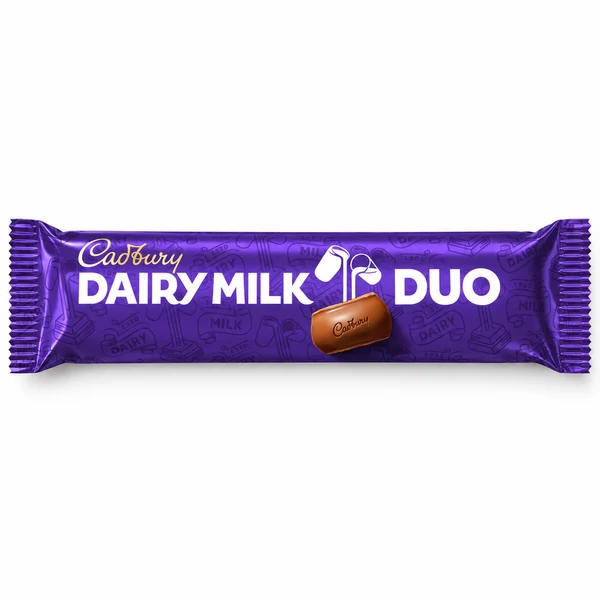

Quantities and ingredients belong to the exact listing and selected option. Check the current product page and physical pack for allergens, dietary information and storage.
Common questions
Does salt add sugar?
No. A change in perceived sweetness is different from changing the sugar quantity.
Will more salt always help?
No. Recipe balance, the amount used and preference all matter.
Are all salted chocolates comparable?
No. Fillings, cocoa content, crystal size and other ingredients can differ.
Sources and editorial notes
Written and illustrated by HRS Food. Research reviewed on , using the references below and live HRS product listings. Recipe examples, study findings and legal label definitions are identified in context. These explanatory illustrations do not establish a brand’s private recipe. Where a rule or recipe can change, check the linked authority and current pack.