By HRS Food · Published · Reviewed
How is honeycomb toffee made?
Honeycomb toffee is an aerated sugar confection. Bicarbonate of soda releases gas in the hot sugar preparation, making it expand into a foam. As it cools and sets, the sugar structure holds many of those spaces. The familiar name describes the appearance; it does not mean bees made the sweet. [1][2]

Where do the holes come from?
The Royal Society of Chemistry uses honeycomb to illustrate gas production in a cooking mixture. Bicarbonate can generate carbon dioxide during preparation. That expanding gas creates a foam before the sugar mixture becomes firm.
The holes are therefore part of the process, not cavities drilled into a finished slab. Their sizes and distribution vary with the recipe and handling, which is why real pieces do not look like perfectly regular architectural honeycomb.[1][2]
Why does it become crunchy?
The cooked sugar mixture changes from a flowing preparation to a firm structure as it cools. The trapped spaces give a light, brittle bite rather than the dense chew of a different caramel or toffee recipe.
Do not assume that all sweets called toffee have the same structure. A chewy toffee, a crumbly fudge and an aerated honeycomb have different preparations. Names help, but the texture description is useful too.[2]

Does honeycomb toffee have to contain honey?
The name alone does not settle the ingredients. The cited chemistry demonstration uses sugar and syrup in its method. Other recipes can differ, so check the actual pack if honey or another ingredient matters to you.
Chocolate-covered honeycomb adds a separate outer layer. That coating affects the taste and ingredient declaration; a description of the centre does not establish the complete chocolate bar’s suitability.[2]
What is useful to know at home?
This is an explanation of the process, not a tested home recipe. If you want to make honeycomb, choose a complete recipe with suitable equipment, quantities and temperature guidance. Hot sugar can cause serious burns; tasting or touching it while hot is unsafe.
For bought honeycomb, follow the storage directions and close the packaging after opening. The crisp texture is something to protect, not a way to judge food safety. Keep chocolate-covered versions under their own pack instructions.[1][2]
The key differences at a glance
| Stage | What happens |
|---|---|
| Cooked sugar mixture | Forms the body of the sweet |
| Gas production | Expands the mixture into a foam |
| Cooling | The structure sets around spaces |
| Finished piece | A light, crisp confection |
Related examples at HRS Food
Compare the linked HRS formats alongside the explanation above. These are product examples, not evidence of a particular factory recipe. Check the exact listing and current pack before choosing.
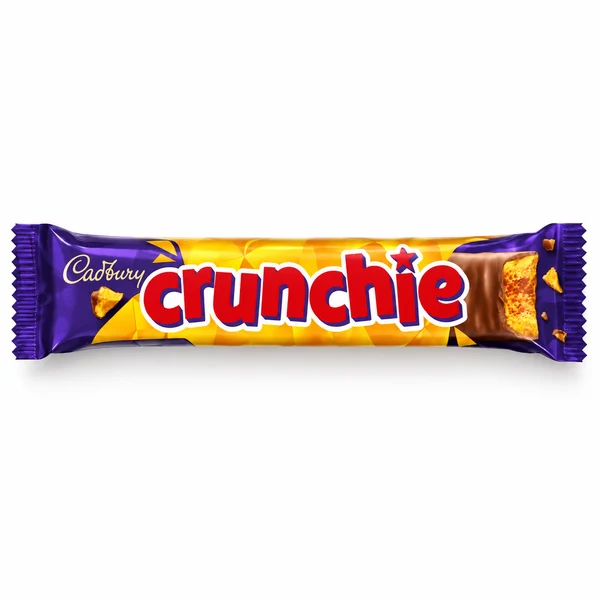
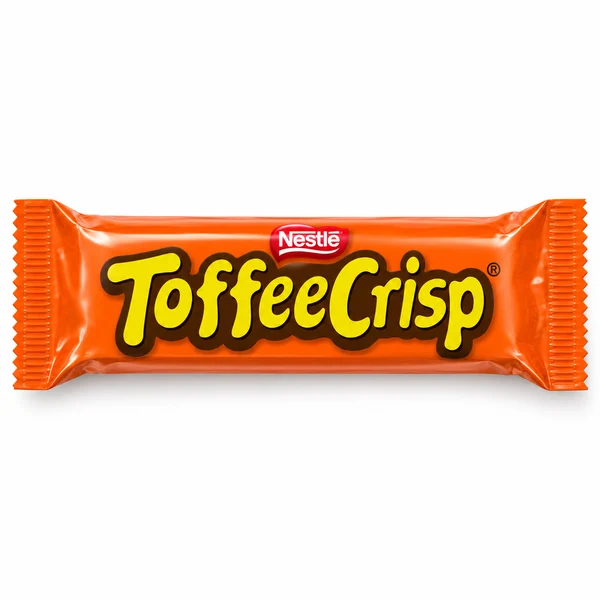
Quantities and ingredients belong to the exact listing and selected option. Check the current product page and physical pack for allergens, dietary information and storage.
Common questions
Are the holes added afterwards?
No. They arise from gas expanding in the mixture before it sets.
Is the sweet made from beeswax?
Ordinary honeycomb toffee is a sugar confection; its name refers to the appearance.
Can I use this explanation as a recipe?
No. Use a complete, tested method rather than guessing with hot sugar.
Sources and editorial notes
Written and illustrated by HRS Food. Research reviewed on , using the references below and live HRS product listings. Recipe examples, study findings and legal label definitions are identified in context. These explanatory illustrations do not establish a brand’s private recipe. Where a rule or recipe can change, check the linked authority and current pack.