By HRS Food · Published · Reviewed
What is pâte de fruit, and how is it different?
Pâte de fruit is a fruit confection commonly made with fruit purée, sugar and pectin, then set and cut into pieces. It is often more fruit-focused than a generic fruit-flavoured jelly sweet. However, the name and appearance do not replace the exact ingredients or a stated fruit content. [1][2]

What gives pâte de fruit its texture?
Pectin can form a gel under the right recipe conditions. Valrhona’s apricot and passion-fruit preparation uses fruit purée, sugar and pectin, showing one professional approach to a set fruit confection.
The recipe’s balance matters. Fruit type, acidity and the pectin used can affect the preparation. This is why a confectioner follows a specific formulation rather than swapping every purée or gelling ingredient at random.[1]
How does it differ from a gummy?
Gummies and jelly sweets are broad categories with many gelling systems and textures. A springy sweet may use gelatine, starch, pectin or another combination. It is not accurate to divide every sweet into one fruit-based group and one non-fruit group.
Compare the declared fruit ingredients, the gelling ingredients and the intended bite. Those tell you more than the shape or a dusting of sugar. A gummy can contain fruit, while a fruit-flavoured sweet need not have the fruit content you expect.[1][2]

Is it the same as jam or fruit confit?
These preparations can share ingredients without being identical. A fruit confit intended for a dessert may be softer or used as one layer within a recipe. A pâte de fruit sold as a sweet is prepared for its own set and serving format.
Do not assume that replacing a jam layer with a firm fruit sweet will give the same result. Check what the recipe is asking the fruit preparation to do: spread, pipe, set or be cut.[2][1]
How to choose and serve it
Look for the named fruit and any percentage declaration, then check the full ingredients. Pectin is not, by itself, a complete vegan or allergen-free statement about the finished product.
If you enjoy comparing fruit-sweet textures, place clearly identified examples side by side and describe firmness, fruit character and sugar finish separately. Keep their original labels available rather than mixing unidentified pieces into one bowl.[1]
The key differences at a glance
| Clue | What to compare |
|---|---|
| Named fruit | Purée, juice, concentrate or flavouring |
| Gelling ingredients | Pectin, starch, gelatine or another system |
| Serving format | A cut sweet, a piped filling or a spread |
Related examples at HRS Food
Compare the linked HRS formats alongside the explanation above. These are product examples, not evidence of a particular factory recipe. Check the exact listing and current pack before choosing.
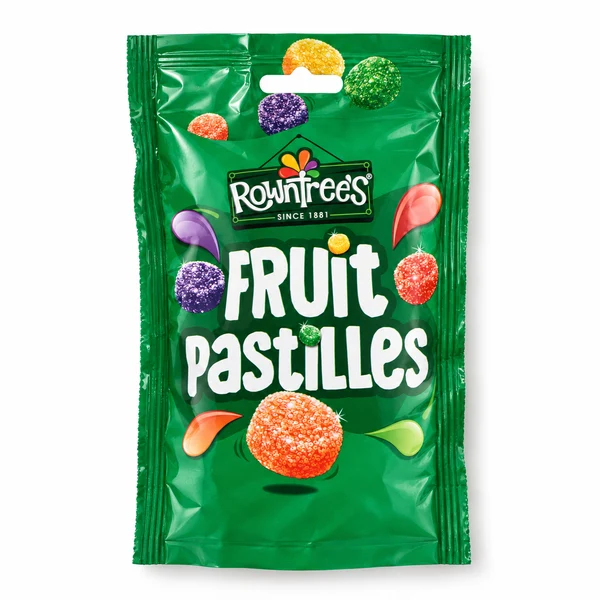
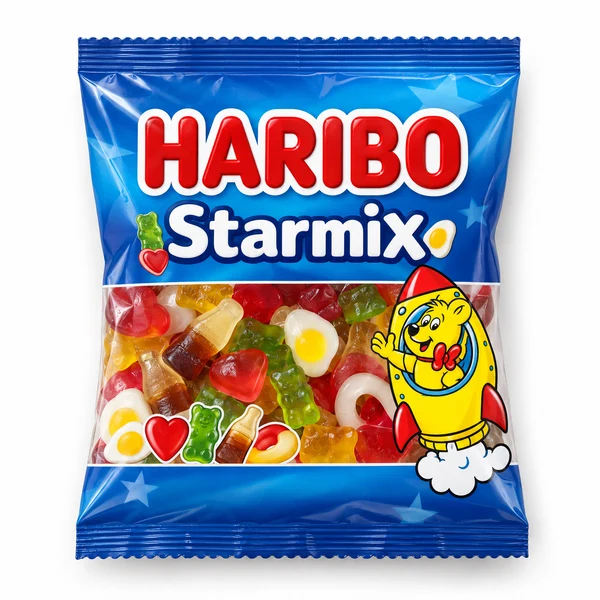
Quantities and ingredients belong to the exact listing and selected option. Check the current product page and physical pack for allergens, dietary information and storage.
Common questions
Is pâte de fruit always vegan?
Check the finished product. Pectin in a recipe does not establish every ingredient or production statement.
Does a sugar coating identify it?
No. Many different sweets have a sugar finish.
Is all fruit jelly made with fruit purée?
No. The product’s ingredient declaration tells you which fruit ingredients are used.
Sources and editorial notes
Written and illustrated by HRS Food. Research reviewed on , using the references below and live HRS product listings. Recipe examples, study findings and legal label definitions are identified in context. These explanatory illustrations do not establish a brand’s private recipe. Where a rule or recipe can change, check the linked authority and current pack.