By HRS Food · Published · Reviewed
Fudge, toffee and caramel: what is the difference?
Fudge is usually a soft, finely crystalline confection. Traditional brittle toffee is firmer and breaks sharply, while soft caramels are smooth and chewy. The boundaries are not perfectly fixed: soft toffee is also a common product name. Texture and the full description are more useful than colour alone. [1][2]

What makes fudge different from toffee?
Good fudge contains many very small sugar crystals. They help create a short, smooth bite rather than a long elastic pull. Large crystals can make it feel coarse, so crystalline does not automatically mean gritty.
Traditional brittle toffee is taken further towards a firm, low-moisture structure. That produces a different break. However, a product sold as soft toffee is not meant to behave like a brittle shard, so read the texture description as well as the category name.[1][2]
Is grainy fudge the same as normal fudge crystals?
The distinction is crystal size. Fine crystals can feel smooth, while larger crystals give an obvious graininess.
Is caramel a flavour, a sauce or a sweet?
Caramel can describe several things. Heated sugar develops brown colours and new flavours through caramelisation; a finished caramel sweet can also include ingredients such as milk or fat. A pourable sauce and a wrapped soft caramel are not the same final texture.
That is why brown colour alone cannot identify a sweet. Compare whether it pours, stretches, cuts cleanly or snaps, then use the actual recipe and product description to understand what you have.[3]
How should you choose fudge, toffee or caramel?
For a short bite, look for a fudge-style product; for a long chew, look at the named soft caramel or soft toffee; for a firm break, look for a brittle toffee description. These are practical starting points, not a claim that every brand uses identical methods.
Chocolate-covered bars introduce another layer. Cadbury Fudge and Toffee Crisp are named finished products, not pure demonstrations of every fudge or toffee recipe. Their coatings and other components matter when you compare the whole bite.[1][2]
Compare the differences at a glance
Explore the difference
Fudge
Fine sugar crystals and a short bite.
| Look for | What it tells you |
|---|---|
| Fudge | Fine sugar crystals and a short bite. |
| Brittle toffee | A firm structure that breaks rather than stretches. |
| Soft caramel or soft toffee | A chewy format; names can overlap. |
Related confectionery at HRS Food
These are the named formats listed at HRS. Open the product page to choose the quantity and check the current pack information.
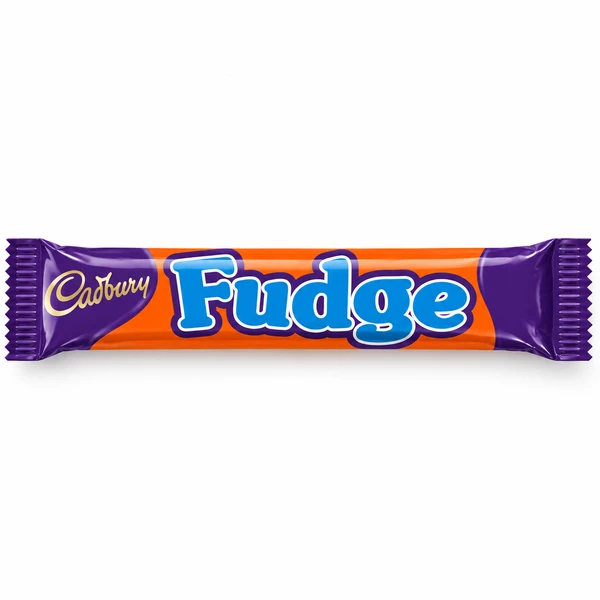
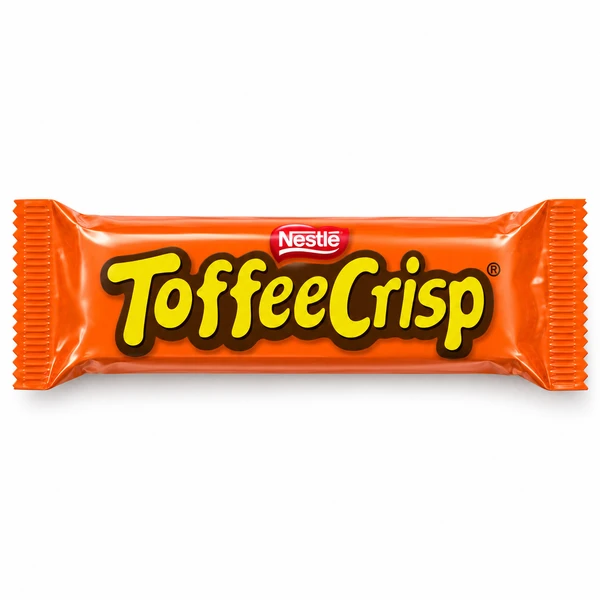
Product images identify the named retail or case formats; quantities are set by the linked listing and your selected option. Use the current product page and physical pack for ingredients, allergens, dietary suitability and storage. Recipes and available formats can change.
Customer questions, answered
Sources and how we checked
Written by HRS Food. Brand and science references checked on ; HRS product examples checked against the live catalogue. The cited regional product is identified where market recipes differ. This is an independent educational guide. The illustrations explain structure and are not evidence of a private manufacturing recipe.