By HRS Food · Published · Reviewed
What is konpeitō, and how are its points made?
Konpeitō are small Japanese sugar candies with characteristic knobbly points. They grow around small centres as a confectioner repeatedly adds sugar syrup in a heated rotating pan. Their shape develops through that process rather than being cut into each finished piece with a star-shaped cutter. [1][2]

How does a small centre become a sugar star?
Ebisudo Seika shows coarse sugar centres rolling in an inclined, heated pan while syrup is added. The confectioner adjusts heat and syrup according to conditions and watches how the pieces move.
The continued additions gradually build the candy. This is a growth process under active control, not simply pouring liquid into a star mould and waiting for one batch to cool.[1]
Why does making konpeitō take time?
The Japan National Tourism Organization describes a process lasting roughly ten to fourteen days for the example it features. Treat that as a maker-related illustration, not a fixed time for every size and production method.
Repeated controlled additions allow the shape to develop. The finished points are part of the sweet’s identity, but individual pieces need not have identical geometry. Avoid expecting a perfectly regular mathematical star.[2][1]

Is it the same as rock candy or kohakutou?
These are different confectionery formats. Rock candy is usually described in terms of grown sugar crystals, while kohakutou has a crisp outer surface and softer gel centre. Konpeitō’s characteristic pieces are built in the pan process.
Appearance can make all three seem related in an online gift display. Ask how the sweet is structured and made, then check the actual product name before deciding which texture you want.[1][3]
What should a buyer look for?
Look for the named maker, flavour, net weight and pack declaration. A colourful star shape does not establish a single flavour or tell you which colours were used. A decorative tin is packaging, not an ingredient description.
HRS examples linked alongside this article are comparisons with other sugar-sweet formats unless they explicitly say konpeitō. Do not assume a familiar British tablet sweet is the same Japanese confection simply because both are small and colourful.[1][2]
The key differences at a glance
| Stage | The confectioner’s task |
|---|---|
| Start | Place small centres in the pan |
| Build | Add controlled amounts of syrup while pieces roll |
| Adjust | Respond to temperature, humidity and movement |
| Finish | Pack the named variety with its own declaration |
Related examples at HRS Food
These HRS sweets provide familiar texture comparisons. They are not kohakutou, konpeitō or Japanese ramune, and an appearance or shape does not make two sweets the same recipe.

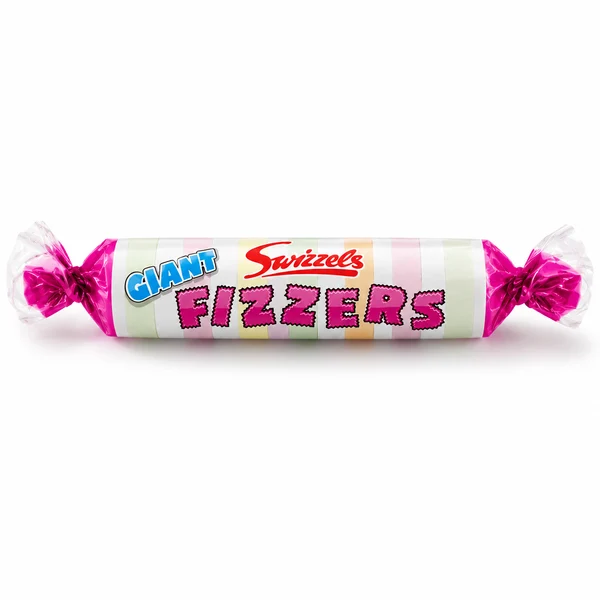
Quantities and ingredients belong to the exact listing and selected option. Check the current product page and physical pack for allergens, dietary information and storage.
Common questions
Are the points cut into the candy?
They develop during the controlled pan-building process described by the maker.
Does every piece take exactly fourteen days?
No universal time should be assumed; size and production methods differ.
Is konpeitō a gummy sweet?
It is a sugar-candy format, distinct from the softer gel structure of gummies or kohakutou.
Sources and editorial notes
Written and illustrated by HRS Food. Research reviewed on , using the references below and live HRS product listings. Recipe examples, study findings and legal label definitions are identified in context. These explanatory illustrations do not establish a brand’s private recipe. Where a rule or recipe can change, check the linked authority and current pack.