By HRS Food · Published · Reviewed
What is single-origin chocolate?
Single-origin chocolate uses cocoa identified with one particular origin, which may be a country, region or a more specific place. The maker should explain its definition. It is a sourcing description, not a promise that every ingredient comes from one farm or that every bar tastes the same. [1][2]

What does the word origin cover?
Callebaut describes its single-origin collection in terms of cocoa beans from a particular country or region. Some makers give more specific information, such as an estate or cooperative. Read that description rather than assuming the narrowest possible meaning.
Sugar, milk and other ingredients can come from elsewhere. The phrase usually concerns the cocoa sourcing, not the geographical origin of every component. It also does not by itself identify who manufactured or packed the finished bar.[1]
Single origin compared with a blend
A blend brings together cocoa selections to achieve a chosen result. A single-origin bar can highlight the characteristics a maker finds in that origin. Either approach still involves decisions about bean selection, processing and the final recipe.
Avoid turning this into a simple good-versus-bad scale. A well-made blend may be exactly the flavour you enjoy. Traceability information is useful, but the words single origin alone do not establish a quality grade or an ethical certification.[1][2]

Why can the flavour be distinctive?
Chocolate tasting separates aroma, taste and mouthfeel rather than reducing everything to cocoa strength. A maker may describe fruity, roasted, floral or nutty notes. Those descriptions can help you compare products without implying that fruit or nuts were necessarily added.
Processing and recipe choices also shape what reaches your palate. The same cocoa origin does not force all manufacturers to make identical chocolate. Check ingredients separately if a tasting note sounds like an ingredient you need to avoid.[2]
How to compare two bars fairly
Choose plain bars of a similar cocoa percentage if your aim is to explore origin. Let both reach the same comfortable tasting temperature, use small pieces and take time to notice aroma as they melt.
Write down what you notice before reading the maker’s notes, then compare. This is a personal tasting exercise, not proof that one origin is objectively superior. If the percentages and recipes differ greatly, recognise that you are comparing more than origin.[2][3]
The key differences at a glance
| Claim | What to look for |
|---|---|
| Single origin | The maker’s named country, region or narrower source |
| Blend | How the maker describes its cocoa selection |
| Single estate | Evidence for the more specific estate claim |
| Tasting notes | Flavour descriptions, not automatically added ingredients |
Related examples at HRS Food
These familiar milk-chocolate formats provide a comparison for reading origin claims. They are not being offered as single-origin bars; use an explicit maker declaration when that is what you want.
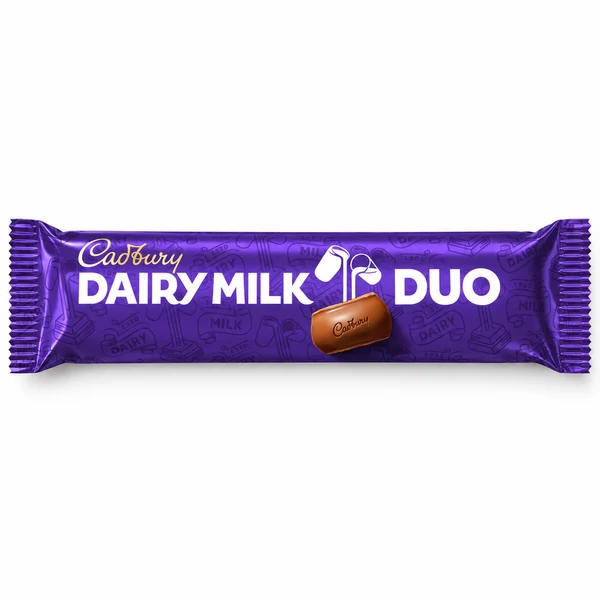

Quantities and ingredients belong to the exact listing and selected option. Check the current product page and physical pack for allergens, dietary information and storage.
Common questions
Is single origin the same as single estate?
No. A country or region is a broader description than one estate.
Does origin replace the cocoa percentage?
No. Origin and cocoa percentage describe different aspects of the chocolate.
Does a nutty tasting note mean added nuts?
Not necessarily. Read the ingredient and allergen declarations to establish what the bar contains.
Sources and editorial notes
Written and illustrated by HRS Food. Research reviewed on , using the references below and live HRS product listings. Recipe examples, study findings and legal label definitions are identified in context. These explanatory illustrations do not establish a brand’s private recipe. Where a rule or recipe can change, check the linked authority and current pack.