By HRS Food · Reviewed
Does swallowed chewing gum really stay in your stomach for 7 years?
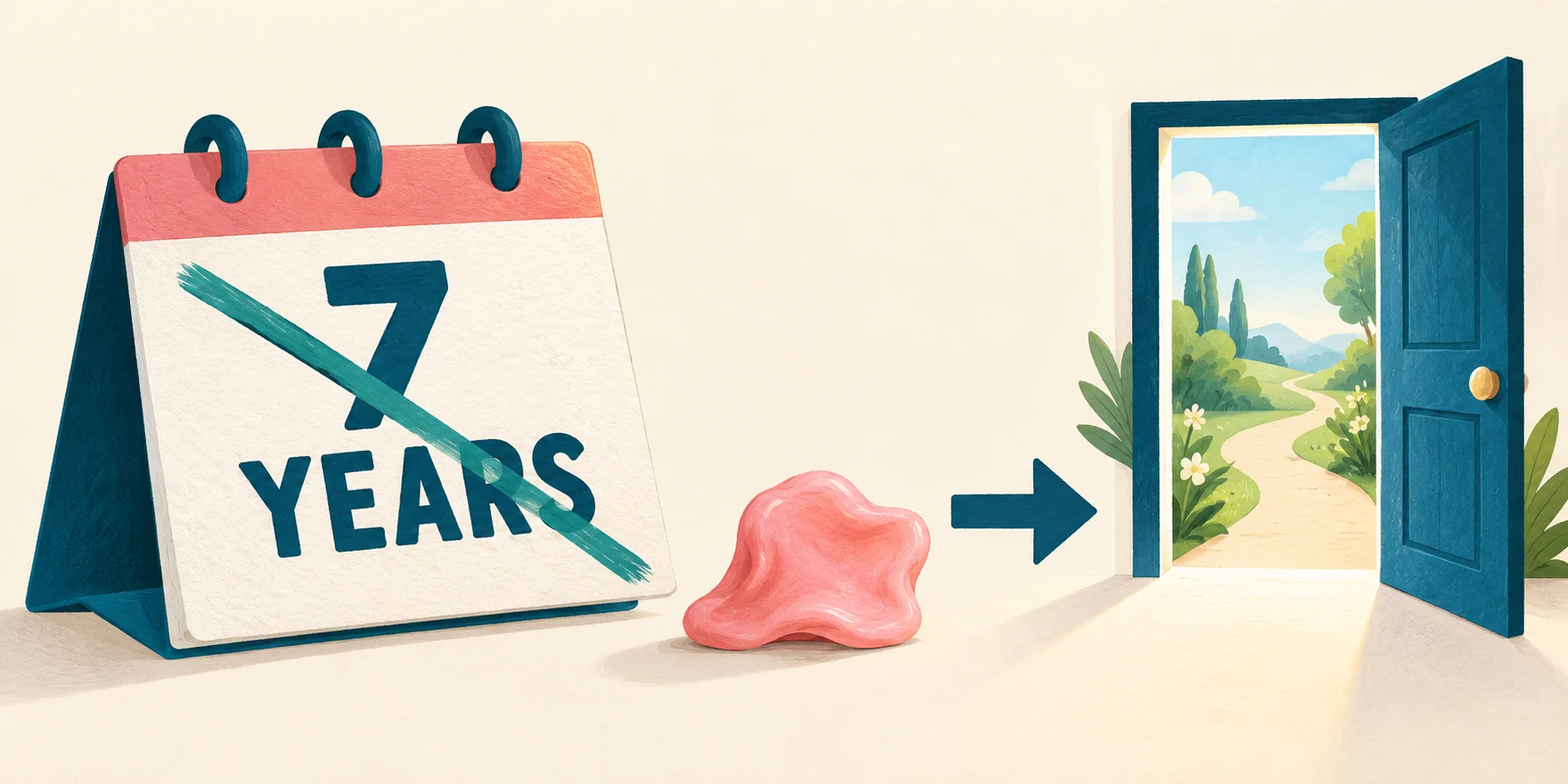
No. The seven-year story is a myth. Accidentally swallowed gum usually travels through your digestive system and leaves your body in your poo. Your body cannot fully digest the chewy gum base, but that does not mean it stays in your stomach. Mayo Clinic explains why.
Why doesn’t your stomach digest it?
The springy part of chewing gum is called gum base. It gives gum its chewiness and resists being broken down by your digestive system.
Your gut can still move material along when it cannot fully break it down. That is why swallowed gum normally passes through rather than collecting in your stomach. Read Cleveland Clinic’s explanation.
Where does swallowed gum go?
It follows the usual route through your digestive tract:
Mouth
Gum is swallowed.
Oesophagus
The food pipe carries it down.
Stomach
The chewy base resists digestion.
Small intestine
Muscle movements push it along.
Large intestine & rectum
It joins other waste.
Out of the body
Passed in poo.
Wave-like muscle movements called peristalsis help push food, liquid and waste through your gut, including material that remains undigested. See how the digestive system works.
How long does it take to come out?
Usually around a day or two, although timing varies from person to person. Cleveland Clinic gives about 40 hours as a typical estimate, rather than a guaranteed deadline.
If you have swallowed one ordinary piece and feel well, you generally do not need to inspect your poo to check that it has passed. Cleveland Clinic’s guidance.
The myth, at a glance
| The claim | What actually happens |
|---|---|
| “It stays for seven years.” | It normally passes through your digestive system. |
| “Your stomach must dissolve it first.” | The gum base can leave your body without being digested. |
| “Swallowing gum is always harmless.” | Large amounts can very rarely cause a blockage, particularly in children with constipation. |
An accidental swallow is usually reassuring, but regularly swallowing gum is still best avoided. Mayo Clinic’s advice.
What if a child swallows gum?
An occasional accidentally swallowed piece is unlikely to cause harm. Reassure them, and remind them to spit their gum into a tissue and put it in the bin next time.
Only offer chewing gum when a child can reliably chew it without swallowing it. If they swallow a large amount or develop symptoms, seek medical advice. Advice on children and swallowed gum.
When should you get help?
Get urgent advice
NHS 111 or an urgent GP appointment
For tummy pain that worsens or does not go away, persistent bloating, or difficulty swallowing.
Get emergency help
Call 999 or go to A&E
For sudden or severe tummy pain, an inability to poo or pass wind, or breathing difficulty.
These symptoms need attention whatever their cause. Check the NHS guidance on stomach ache.
Where did the seven-year story come from?
Its exact origin is unclear. Gum’s stubborn stickiness may make the story sound believable, but there is no basis for the seven-year claim. McGill University explores the myth.
Sources and how we checked
Written by HRS Food using the health and university sources below. Information checked on . This is general information, not a diagnosis or an individual medical assessment.
- Mayo Clinic: Swallowing gum, is it harmful?
- Cleveland Clinic: What happens if you swallow gum?
- NIDDK: Your digestive system and how it works
- NHS: Stomach ache and when to get help
- McGill University: Gum and the seven-year myth
Opening illustration created with AI. The journey graphic is a simplified explanation, not an anatomical diagram.