By HRS Food · Published · Reviewed
What is Turkish delight made from?
Traditional Turkish delight, or lokum, is commonly made from sugar, water and starch, with flavourings and sometimes nuts. Cooking creates the soft gel-like body. Recipes vary, so a traditional plain piece and a chocolate-covered branded bar should be checked as separate products. [1][2]

Why does Turkish delight feel different from a gummy?
Starch is a key structuring ingredient in many traditional lokum recipes. HazerBaba and Hafız Mustafa both list corn starch in their rose examples. The texture is not evidence that the sweet must contain gelatine.
Equally, the traditional method does not establish every modern product’s recipe. If you need a particular dietary suitability, use the exact declaration instead of using softness as an ingredient test.[1][2]
Is Turkish delight always rose-flavoured?
No. Rose is a familiar example, but it is not the definition of the entire confection. Makers sell different flavours and versions containing nuts or other additions. Colour is an unreliable way to identify a particular filling or flavour.
A product can combine several elements: the lokum base, flavouring, a dusting and inclusions. Read the full description if you want to understand the difference between two assortments.[1][2]

Plain lokum and chocolate-covered versions
A chocolate coating adds another recipe and another texture. The coated sweet may be what a British shopper remembers, but that does not make it identical to an uncoated piece from a Turkish confectioner.
When comparing HRS listings, use a chocolate-covered version as an example of that format. Its milk, nut or other declarations belong to the complete product, not just the centre.[1]
What to check before serving a mixed box
Keep the maker’s contents guide and ingredient information with the sweets. A plain-looking piece can have a nut-related precautionary statement: HazerBaba’s cited rose product is one example.
For an informal tasting, compare small pieces of clearly identified varieties. Notice flavour, firmness and the presence of nuts separately. That gives a more useful description than expecting every Turkish delight to taste like one familiar bar.[1][2]
The key differences at a glance
| Part of the sweet | What to identify |
|---|---|
| Base | The maker’s starch or other gelling ingredients |
| Flavour | Rose, fruit or another named variety |
| Inclusions | Nuts and other additions |
| Coating | Dusting or a separate chocolate recipe |
Related examples at HRS Food
Fry’s is a chocolate-covered Turkish Delight format; Rowntree’s Fruit Pastilles provide a different jelly-sweet comparison. Neither linked format should be treated as the recipe for every traditional lokum.
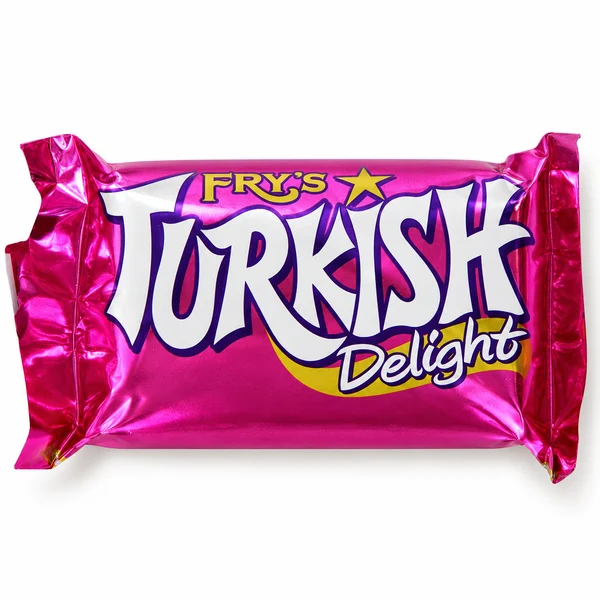
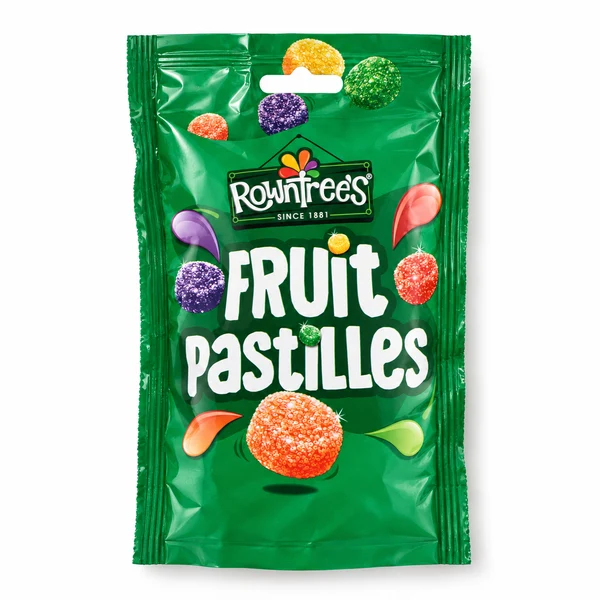
Quantities and ingredients belong to the exact listing and selected option. Check the current product page and physical pack for allergens, dietary information and storage.
Common questions
Does all Turkish delight contain gelatine?
No. Traditional starch-based examples need not, but check the particular product.
Is it always pink?
No. Colour and flavour vary between makers and assortments.
Are plain pieces automatically free from nuts?
No. Check both ingredients and precautionary allergen information.
Sources and editorial notes
Written and illustrated by HRS Food. Research reviewed on , using the references below and live HRS product listings. Recipe examples, study findings and legal label definitions are identified in context. These explanatory illustrations do not establish a brand’s private recipe. Where a rule or recipe can change, check the linked authority and current pack.