By HRS Food · Published · Reviewed
What are Japanese ramune sweets?
Ramune sweets are candies inspired by the fresh, fizzy character of Japanese ramune soda. One familiar example is Morinaga’s small tablet-style candy in a bottle-shaped container. The confection is not the bottled drink, and other products using the ramune name can have different ingredients and formats. [1][2]

Why do sweets and a drink share the name?
Morinaga presents its candy as a sweet inspired by traditional Japanese soda. That explains the flavour association and playful bottle packaging. The packaging is part of the presentation, not a container full of liquid soda.
When shopping, distinguish ramune candy from ramune beverages and other ramune-flavoured confections. A search result or translated title can bring those different products together even when their formats are quite unlike.[1][2]
What are the tablet sweets made from?
Morinaga describes its original candy as containing 90% glucose, expressed more specifically as hydrated crystalline glucose in its Japanese information. That is a statement about the named product, not every ramune sweet.
Glucose here is a sugar ingredient. It should not be confused with a fruit-percentage claim simply because one English description calls it grape sugar. Nor should the candy be presented as a treatment for a medical condition.[1][3]

Is it just the same as a British fizzy tablet?
A British tablet sweet can be a useful texture comparison, but the two brands and recipes remain distinct. Pressed sweets can differ in how quickly they dissolve, their acidity, flavours and the ingredients used to hold them together.
Use a comparison to explain the format, not to imply an equivalent recipe. A familiar roll sweet is not Japanese ramune candy merely because both are pale, small and sold in convenient packs.[2]
What should you check on an imported pack?
Look for the actual maker, product variant and an ingredient and allergen declaration you can understand. Morinaga’s cited original-pack information identifies milk and gelatine-related ingredients; a pale tablet is not automatically vegan or dairy-free.
Keep the translated label with the product, especially when sharing. Different variants and market packs can differ. The HRS examples linked here are clearly identified comparisons unless the listing specifically names the imported ramune product.[3]
The key differences at a glance
| Search result | How to distinguish it |
|---|---|
| Ramune soda | A drink |
| Ramune tablet candy | A sweet with its own ingredients |
| Ramune-flavoured confection | Another format using the flavour description |
Related examples at HRS Food
These HRS sweets provide familiar texture comparisons. They are not kohakutou, konpeitō or Japanese ramune, and an appearance or shape does not make two sweets the same recipe.
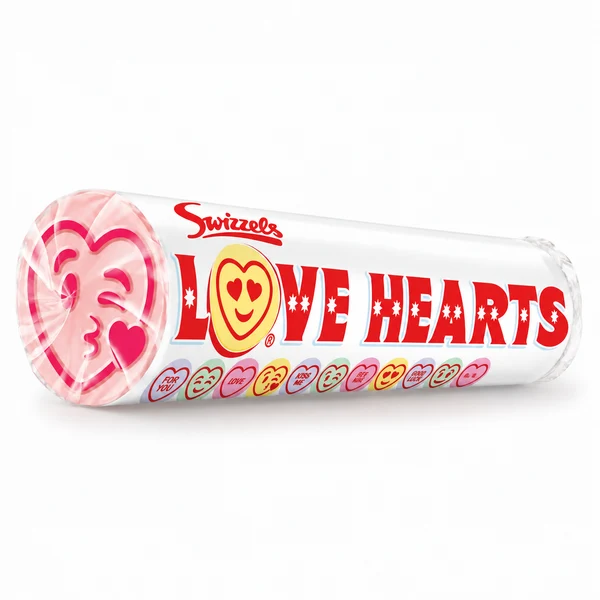
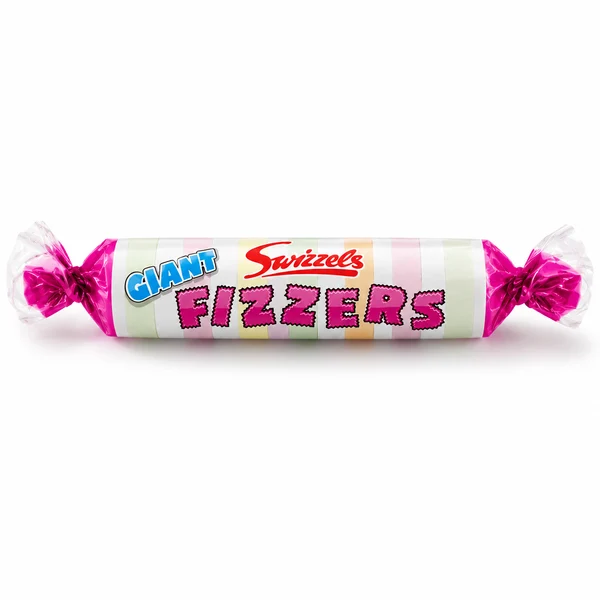
Quantities and ingredients belong to the exact listing and selected option. Check the current product page and physical pack for allergens, dietary information and storage.
Common questions
Are ramune sweets liquid?
The tablet candy described here is solid. Ramune drinks are separate products.
Does grape sugar mean grape-flavoured?
No. In this context it describes glucose, not a guarantee of grape flavour or fruit content.
Are all ramune sweets vegan?
No such blanket claim is justified. Check the exact recipe and market label.
Sources and editorial notes
Written and illustrated by HRS Food. Research reviewed on , using the references below and live HRS product listings. Recipe examples, study findings and legal label definitions are identified in context. These explanatory illustrations do not establish a brand’s private recipe. Where a rule or recipe can change, check the linked authority and current pack.