By HRS Food · Published · Reviewed
What is nougat made from?
Many traditional white nougats combine cooked sugar or honey with whipped egg white and nuts. The foam, cooking and final moisture help determine the texture. Nougat is a family of confections: a firm nut-filled slab and an aerated chocolate-bar centre do not necessarily share one recipe. [1][2]

What gives white nougat its structure?
Whipped egg white can hold air while a cooked sweet mixture gives the confection its body. Nuts add another texture. Chabert & Guillot’s Montélimar method provides a maker’s example rather than a universal formula for every product called nougat.
The aeration matters: nougat is not simply a block of sugar with nuts stirred through it. Its bite reflects how the foam and the concentrated sweet mixture are prepared together.[1]
Why are some nougats softer than others?
Cooking, moisture, ingredient balance and handling influence whether a preparation is tender, chewy or more brittle. The word nougat alone does not specify one texture. A manufacturer’s soft and hard varieties can be deliberately different products.
Nut quantity and piece size also change the experience of a bite. Compare the named variety and description instead of assuming a familiar colour guarantees the texture you remember.[1][2]

Is chocolate-bar nougat the same as Montélimar nougat?
Not necessarily. Industrial bar fillings can use different formulations and may contain additional ingredients. A historical or regional style should not be used as an ingredient declaration for a packaged bar.
Check the complete bar, including its coating, caramel and other layers. A description of the nougat component does not establish the allergens or dietary suitability of the whole sweet.[1][2]
Choosing the right nougat format
For a traditional tasting, look for a maker that describes the nuts and the intended texture. For a chocolate-bar comparison, use the named bar’s own filling description. Those are useful but different ways to explore nougat.
Keep the wrapper when sharing. Egg, nuts, milk and other allergens depend on the actual recipe. A white appearance or a nut-free-looking cut surface is not enough to decide suitability.[1]
The key differences at a glance
| Feature | What it contributes |
|---|---|
| Aerated mixture | A lighter structure than solid boiled sugar |
| Cooked sweet base | Body and firmness |
| Nuts or other additions | Extra texture and product-specific allergens |
Related examples at HRS Food
Snickers and Mars provide familiar chocolate-bar filling comparisons. Read their named layers separately from the traditional white nougat described above; the same texture word does not establish an identical recipe.
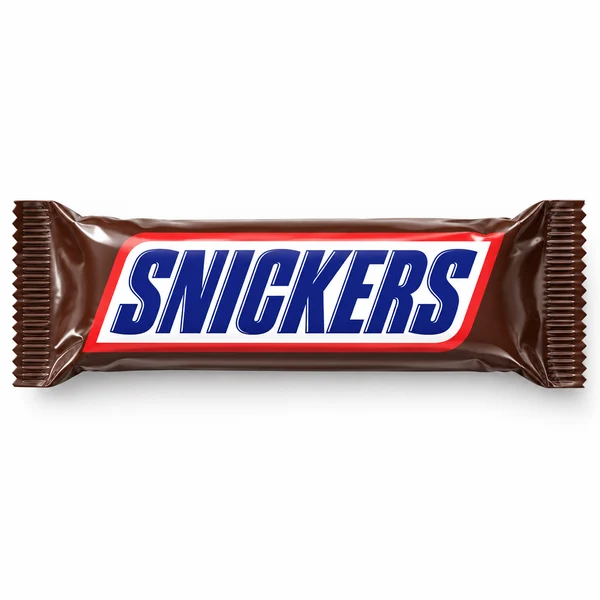
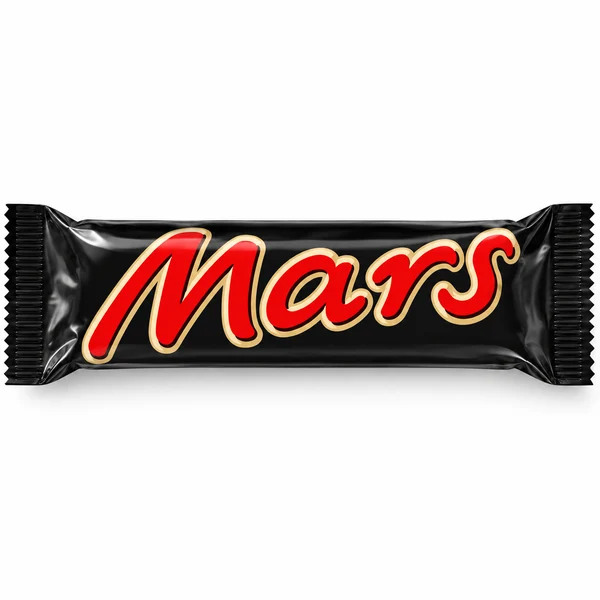
Quantities and ingredients belong to the exact listing and selected option. Check the current product page and physical pack for allergens, dietary information and storage.
Common questions
Does all nougat contain nuts?
Do not assume so, or assume the opposite. Use the exact product declaration.
Is nougat the same as marshmallow?
They are different confectionery preparations, although both can incorporate air.
Is every white nougat Montélimar nougat?
No. A regional name and a white appearance are different things.
Sources and editorial notes
Written and illustrated by HRS Food. Research reviewed on , using the references below and live HRS product listings. Recipe examples, study findings and legal label definitions are identified in context. These explanatory illustrations do not establish a brand’s private recipe. Where a rule or recipe can change, check the linked authority and current pack.