By HRS Food · Published · Reviewed
Can you bake with ordinary eating chocolate?
Often, yes: a plain eating-chocolate bar can work in baking, particularly when a recipe asks for chopped chocolate. The important details are the recipe, cocoa content, sweetness and ingredients. Filled bars, candy coatings, chips and cocoa powder are not automatic one-for-one alternatives. [1][2]

When a plain chocolate bar makes sense
A recipe asking for chopped chocolate generally needs a solid chocolate ingredient that you cut into pieces or melt. A plain bar lets you control piece size and choose the sweetness and chocolate style you want.
Read the recipe first. If it names a particular cocoa percentage, unsweetened chocolate or a specialist product, that detail may affect the balance of the bake. “Eating chocolate” does not mean one standard recipe across all brands.[1][2]
Why chips and chopped bars bake differently
Chips are often formulated to remain as identifiable pieces. Chopped bars can give an assortment of flecks, chunks and melted pockets. King Arthur’s baking trials show that the format can change how a cookie spreads and how the chocolate is distributed.
That is a choice about the finished texture rather than a universal quality ranking. If you want neat, repeated pieces, chips may suit the job. If you want irregular pools and small fragments, a chopped bar can be useful.[1][2]

Filled bars and cocoa powder need separate thinking
A caramel-filled, wafer-filled or nut-filled bar adds more than chocolate. Its centre can affect moisture, sweetness and structure, so use a recipe designed for that ingredient rather than treating its entire weight as plain chocolate.
Cocoa powder is also different: it does not bring the same cocoa-butter and sugar balance as a chocolate bar. A recipe developed for cocoa powder cannot be converted simply by replacing it with the same weight of chocolate.[3]
A practical substitution check before you start
Check four things: whether the chocolate is plain, its cocoa percentage, the recipe’s required format and any dietary needs. Weigh the amount the recipe requests; one retail bar is not a standard baking measurement.
For a new combination, try a small batch before using it for a celebration. Keep a note of the brand and percentage so a successful result can be repeated. Product pages help identify the format, but the recipe remains your guide to performance.[1][2]
The key differences at a glance
| Recipe asks for | Useful response |
|---|---|
| Chopped plain chocolate | Consider a plain bar of the specified style |
| Chocolate chips | Expect a more consistent piece shape |
| Filled chocolate pieces | Use a recipe developed for that filling |
| Cocoa powder | Do not swap gram-for-gram with a bar |
Related examples at HRS Food
These plain milk-chocolate formats are worth comparing when a recipe allows eating chocolate. Check the required type and weigh the amount needed rather than substituting a whole wrapper-sized pack.
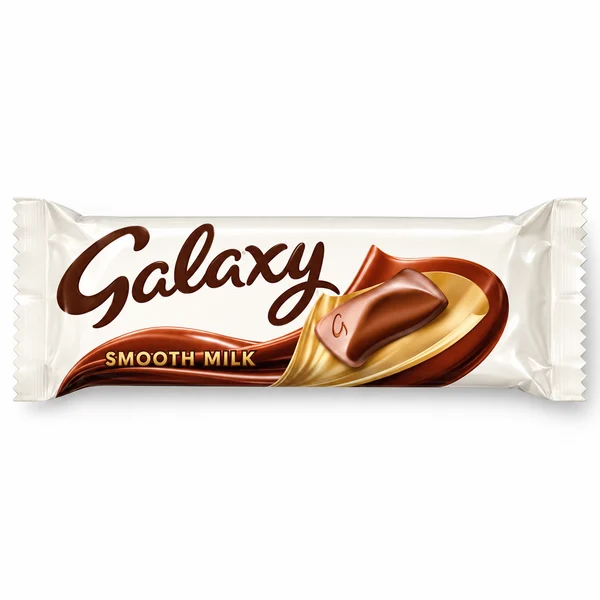
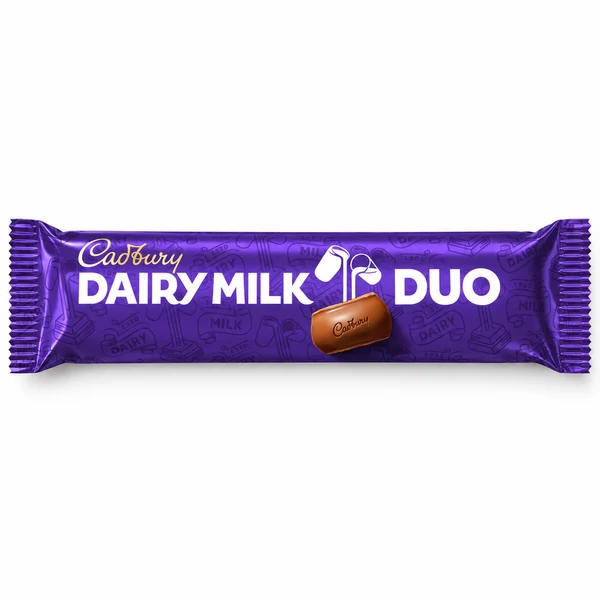
Quantities and ingredients belong to the exact listing and selected option. Check the current product page and physical pack for allergens, dietary information and storage.
Common questions
Can I use milk chocolate instead of dark?
Sometimes, but it changes the sweetness and formulation. Follow a recipe that allows that substitution.
Can I bake with a filled bar?
Yes in a suitable recipe, but its full weight is not all plain chocolate.
Do I need expensive chocolate?
Choose a chocolate you enjoy that fits the recipe’s specification. A higher price does not answer every baking requirement.
Sources and editorial notes
Written and illustrated by HRS Food. Research reviewed on , using the references below and live HRS product listings. Recipe examples, study findings and legal label definitions are identified in context. These explanatory illustrations do not establish a brand’s private recipe. Where a rule or recipe can change, check the linked authority and current pack.