By HRS Food · Published · Reviewed
Why do Liquorice Allsorts taste so different?
The short answer
Liquorice Allsorts combine a distinctive liquorice flavour with contrasting sweet layers and textures. Liquorice root contributes long-lasting sweetness; coconut, molasses, fondant-like layers and other flavourings can change the experience from piece to piece. The exact mixture depends on the maker, rather than a single universal Allsorts recipe. [1]
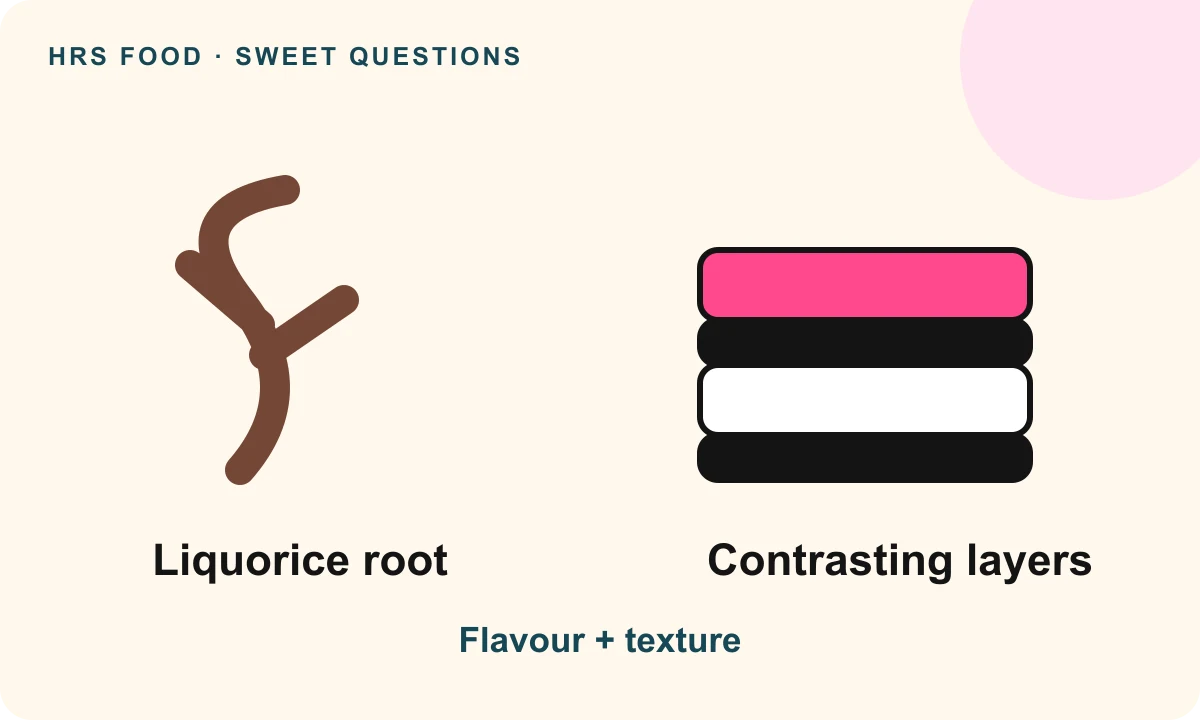
The flavour starts with a root
Liquorice comes from a plant root, not simply from black food colouring. Research on Glycyrrhiza glabra has identified sensory-active saponins, including glycyrrhizin, associated with its characteristic sweet, lingering liquorice taste.
That helps explain why liquorice sweetness can feel different from the quick, familiar sweetness of a plain sugar sweet. The root contributes a flavour character as well as sweetness. [1]
Allsorts build contrast around that flavour
A layered sweet can put a dark liquorice section beside a paler, sweeter one. A coconut roll adds a different texture around its centre. The result is a changing balance within the same bite, rather than one uniform flavour throughout.
Darrell Lea’s Australian Allsorts, for example, explicitly combine molasses, liquorice paste, coconut and aniseed oil in their listed recipe. That is useful evidence for that maker’s version, not an ingredient declaration for a British Bassett’s bag. [2]
Liquorice
A distinctive flavour with lingering sweetness.
Other layers
Sweet and coconut components can change the balance.
Texture
Layers, rings and jelly pieces create different bites.
How it works [2]
Liquorice and aniseed are different ingredients
Liquorice root and anise are different plants, even though their flavours are often associated. A recipe can use liquorice, aniseed flavouring or both. The flavour association does not make the names interchangeable on an ingredient list.
In the Darrell Lea example, liquorice paste and aniseed oil appear separately. That is a good reminder to read the actual recipe instead of identifying a flavouring by colour or memory. [2]
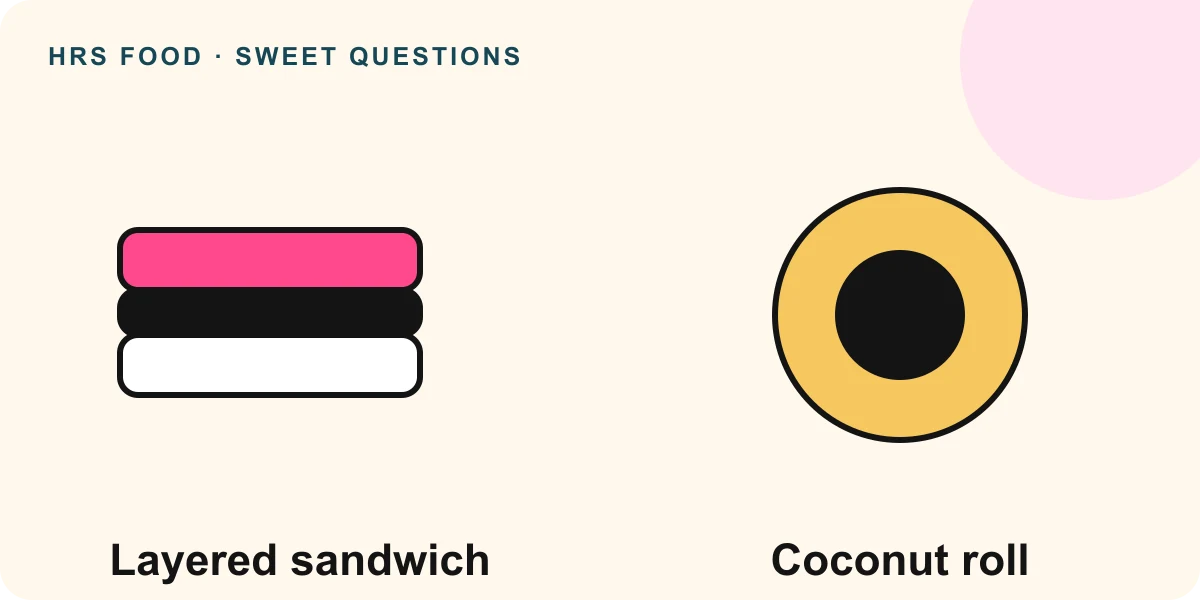
Why the pieces in one bag do not all taste alike
Compare the structure before judging the flavour: plain liquorice, layered sandwiches, a coconut ring and a beaded jelly are different kinds of bite. The relative amount of dark centre, sweet layer and coating changes what reaches your mouth together.
Our separate Allsorts identification guide explains the shapes. This article explains why the combination tastes distinctive. For allergens and dietary suitability, use the current bag; a familiar shape is not evidence of a familiar formulation. [2]
At a glance
| What you notice | What explains it |
|---|---|
| Plain dark piece | Less contrast from surrounding coloured layers. |
| Layered sandwich | Alternating components change the balance in a bite. |
| Coconut roll | A textured outer layer contrasts with its centre. |
For the underlying explanation [2]
Common questions
Is black colour what gives liquorice its taste?
Colour alone does not explain the taste. Liquorice root contains compounds with a characteristic sweet, lingering profile. [1]
Are liquorice and aniseed the same thing?
No. They are different ingredients, and a manufacturer may list them separately in the same recipe. [2]
Do all brands use the same Allsorts recipe?
No. Compare the exact manufacturer’s ingredients and current pack, including its allergen advice. [2]
Sources and how we checked
Written by HRS Food using the sources below. Information checked on . Product examples refer to the named declaration, not every brand or recipe. Use the current pack for ingredients and allergens.
- Primary sensory research on compounds in liquorice root
- Darrell Lea: Australian Allsorts 270g ingredients and layers
- Royal Botanic Gardens Kew: Glycyrrhiza glabra
Original HRS explanatory illustrations. Shapes and layouts are simplified to show the idea; they are not product photographs or manufacturing specifications.