By HRS Food · Published · Reviewed
Why do gummy sweets become hard or leathery?
Gummy sweets can become firmer as moisture moves out of them, and their internal structure can also change during storage. Recipe, packaging, temperature and humidity all matter. Hardness alone does not establish that a sweet is unsafe, and softness alone does not establish that it is safe. [1][2]

Why water matters to a gummy’s bite
A gummy is not a dry block of sugar. Its recipe includes a structure that holds water alongside sweeteners and other ingredients. Losing or redistributing moisture changes how that structure feels when bitten.
Research on gummy formulations documents changing hardness during storage. It also shows why results depend on the formulation, rather than every sweet following one identical drying timetable.[1][2]
Why can two bags age differently?
The gel system, sugars and other recipe choices affect texture and how a product responds to its environment. Packaging and storage conditions add further differences. A paper bag and a resealed protective packet are not the same environment.
Temperature can change the texture you feel immediately as well as influence longer-term changes. Compare products under their own stated conditions instead of transferring one brand’s storage assumptions to another.[1]

How can you protect the texture after opening?
Follow the exact pack instructions and reseal it properly where the packaging permits. Keep sweets away from unsuitable heat and moisture, and use a suitable closed food container when needed rather than leaving a bowl uncovered for days.
Do not put unrelated foods into the sweet container as a universal softening trick. That changes moisture and hygiene conditions and cannot establish a safe shelf life for the mixture.[1][2]
When should you ask rather than guess?
Check the date, packaging and storage history if the change is unexpected. If a product seems damaged or you are unsure what a surface change is, contact the maker or seller. A texture comparison is not a food-safety inspection.
Keep the original label after decanting sweets. It preserves the ingredients, allergens, date and storage advice that an attractive unlabelled jar would otherwise lose.[3]
The key differences at a glance
| Factor | Possible influence |
|---|---|
| Moisture loss | Can make the bite firmer |
| Formulation | Changes how the gel responds |
| Storage conditions | Temperature and humidity matter |
| Packaging | Affects the surrounding environment |
Related examples at HRS Food
Compare the linked HRS formats alongside the explanation above. These are product examples, not evidence of a particular factory recipe. Check the exact listing and current pack before choosing.
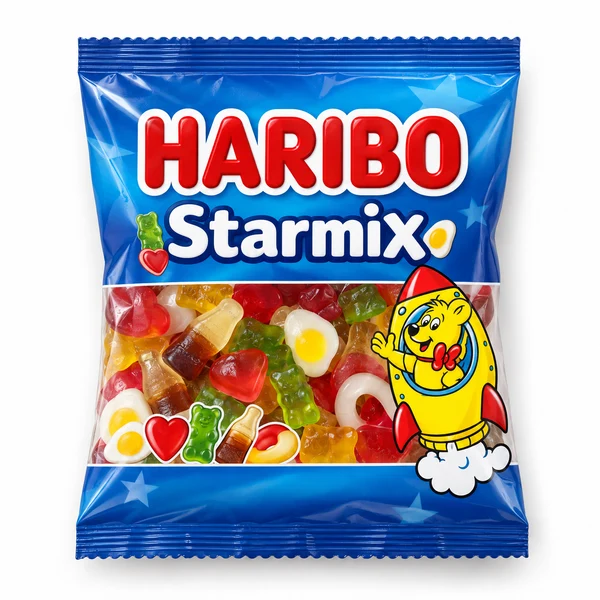
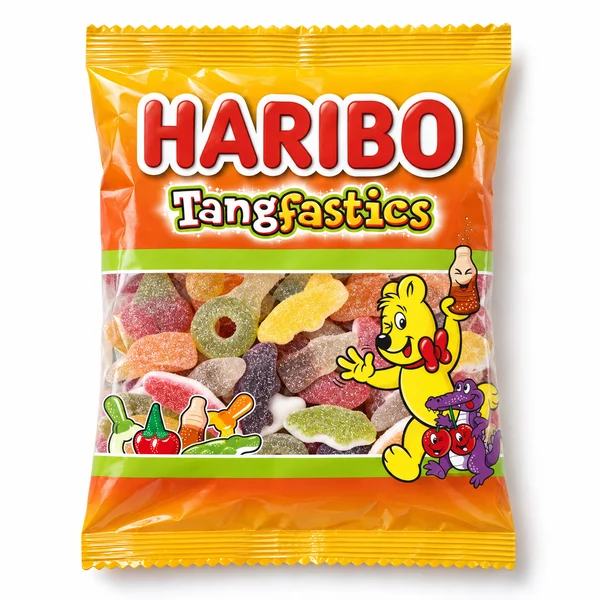
Quantities and ingredients belong to the exact listing and selected option. Check the current product page and physical pack for allergens, dietary information and storage.
Common questions
Do all gummies harden at the same speed?
No. Formulation, packaging and conditions differ.
Can I judge safety by whether it is chewy?
No. Texture is not a complete food-safety test.
Does chilling permanently spoil every gummy?
Do not assume so. Follow the maker’s instructions and distinguish temporary firmness from other changes.
Sources and editorial notes
Written and illustrated by HRS Food. Research reviewed on , using the references below and live HRS product listings. Recipe examples, study findings and legal label definitions are identified in context. These explanatory illustrations do not establish a brand’s private recipe. Where a rule or recipe can change, check the linked authority and current pack.