By HRS Food · Published · Reviewed
Best-before vs use-by dates on sweets and chocolate
A best-before date concerns quality; a use-by date concerns food safety. Many shelf-stable sweets and chocolate products carry best-before dates, but you must read the actual pack. Neither a date alone nor a normal smell can compensate for unsuitable storage, damaged packaging or a product-specific safety issue. [1][2]

What does best before tell you?
The date describes the period for which the maker expects the stated quality when its conditions are met. The Food Standards Agency gives chocolate as an example of a cupboard product commonly carrying a best-before date.
This is different from promising that every bar is suitable for a fixed number of months afterwards. Recipe, packaging, storage and handling matter. A sealed plain bar and a fresh cream-filled confection are not interchangeable cases.[2][1]
Why is use by different?
Official guidance treats use-by as a food-safety date. Do not eat a food after its use-by date simply because it looks or smells normal. Harmful contamination is not reliably ruled out by a sniff test.
Follow the pack’s storage and after-opening directions as well. A printed date assumes appropriate handling; it is not a guarantee that a food remains suitable after being stored contrary to those instructions.[1]

What about a white coating on chocolate?
Chocolate can develop fat bloom or sugar bloom, which affects appearance and texture. That explanation should not become a blanket verdict that every white mark on every confection is harmless.
Keep the bloom question separate from damaged packaging, visible mould, unsuitable storage or a recall. If you cannot identify what you are seeing, do not make an eating decision from a photograph comparison alone.[3][1]
A practical check for a cupboard clear-out
Read which type of date is printed, then check the storage and after-opening instructions. Keep products identifiable rather than mixing loose sweets whose labels and dates have been lost.
Where a pack is damaged or the product’s history is uncertain, ask the maker or seller instead of inventing a new expiry period. This guide does not give a universal extra shelf life or certify an individual product as safe.[1][2]
The key differences at a glance
| Information | What it concerns |
|---|---|
| Best before | Expected quality under stated conditions |
| Use by | Food safety; do not ignore it |
| After opening | Separate handling or time instructions |
| Storage directions | Conditions that still need to be followed |
Related examples at HRS Food
Compare the linked HRS formats alongside the explanation above. These are product examples, not evidence of a particular factory recipe. Check the exact listing and current pack before choosing.
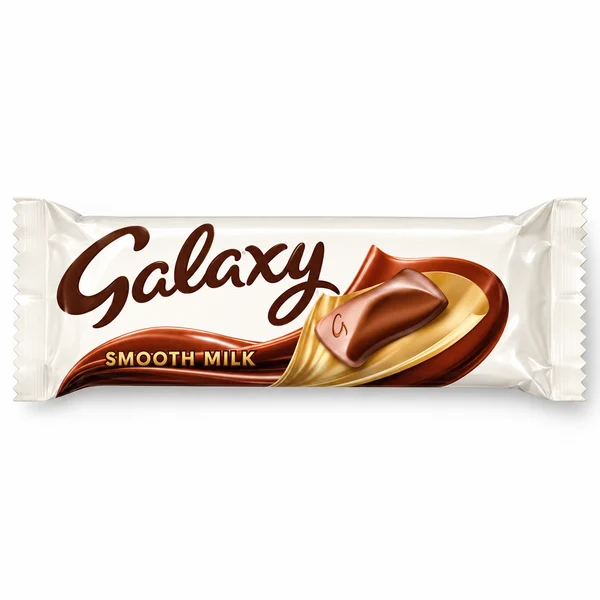
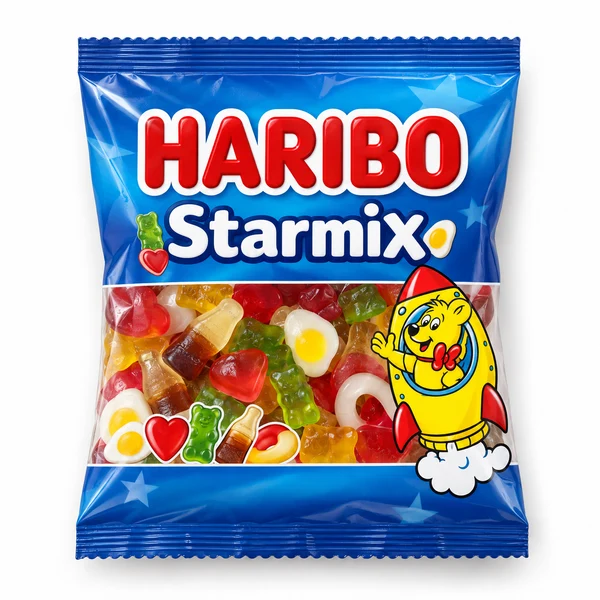
Quantities and ingredients belong to the exact listing and selected option. Check the current product page and physical pack for allergens, dietary information and storage.
Common questions
Can I add six months to every best-before date?
No. There is no universal extension for all recipes and storage conditions.
Can I ignore a use-by date if the food smells fine?
No. Official guidance treats it as a safety date.
Does freezing make an unsafe product safe again?
Do not use freezing to reverse unsafe handling or to invent a new shelf life.
Sources and editorial notes
Written and illustrated by HRS Food. Research reviewed on , using the references below and live HRS product listings. Recipe examples, study findings and legal label definitions are identified in context. These explanatory illustrations do not establish a brand’s private recipe. Where a rule or recipe can change, check the linked authority and current pack.