By HRS Food · Published · Reviewed
Why are some chocolates wrapped in foil?
Chocolate wrappers protect, identify and present the product. Aluminium foil provides a strong barrier to light and moisture and can fold closely around shapes. Paper, plastic films and laminates offer different combinations of functions. The performance belongs to the complete package, including its seals and condition. [1][2]

What is useful about aluminium foil?
The European Aluminium Foil Association describes foil’s barrier properties and ability to hold a fold around chocolate. That helps explain its use on shaped pieces as well as familiar bars.
Material properties are not the same as a guarantee about every finished wrapper. Holes, open seams and damage affect protection. A piece of foil placed loosely over a product is not automatically equivalent to a correctly designed package.[1]
Why do makers also use paper or plastic?
Packaging can need printed information, mechanical protection, a reliable closure and compatibility with the production line. Manufacturers choose materials and combinations for the particular format. Paper on the outside does not identify every inner layer.
Cadbury’s current sustainability information, for example, describes recycled-plastic use in parts of its range. That is a brand-specific packaging statement, not evidence that all chocolate bars use one material or can be recycled in the same way.[2]

Does a shiny wrapper stop chocolate melting?
No wrapper makes ordinary chocolate immune to heat. A barrier to light or moisture is not a promise of temperature control. Keep the product under the conditions on its label rather than relying on metallic appearance.
The same distinction matters when transporting gifts. An intact wrapper protects a product in some ways, while an appropriate cool environment or transport arrangement addresses a different problem.[1][3]
How should you read recycling instructions?
Use the directions for the exact pack and your local collection arrangements. Foil, paper, plastic film and multi-material laminates are not interchangeable simply because their surfaces look similar.
Retain the ingredients and date information if you remove the original wrapper for a display. Attractive repackaging should not leave guests guessing about the product or its allergens.[2][4]
The key differences at a glance
| Function | What to distinguish |
|---|---|
| Light and moisture barrier | A material-protection property |
| Seal and physical condition | A whole-package issue |
| Temperature control | Not guaranteed by a shiny wrapper |
| Recycling route | Depends on the exact material and local instructions |
Related examples at HRS Food
Compare the named chocolate formats and their current packaging. A link here is not a claim that the product uses foil or that every layer is accepted by your local recycling service.
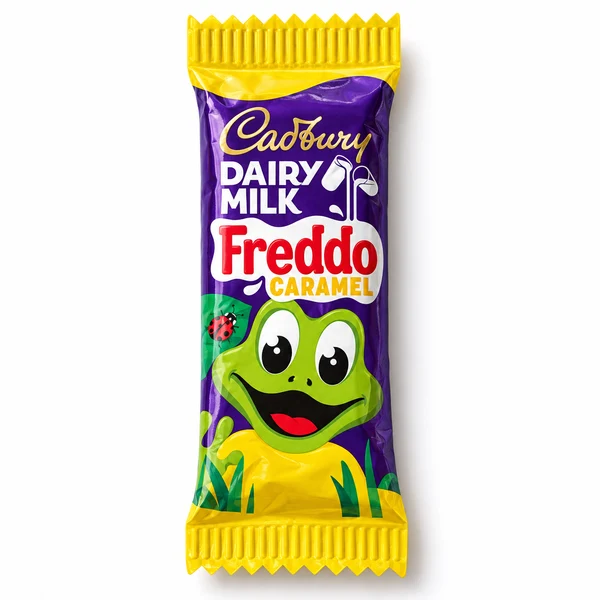
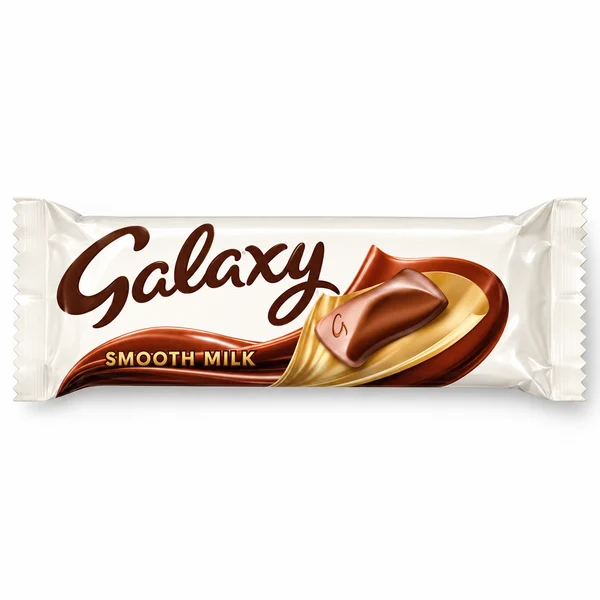
Quantities and ingredients belong to the exact listing and selected option. Check the current product page and physical pack for allergens, dietary information and storage.
Common questions
Is every shiny wrapper aluminium foil?
No. Coated films and laminates can also look metallic.
Does foil keep chocolate from melting outdoors?
It does not provide a universal temperature-control guarantee.
Can all chocolate wrappers go in one recycling bin?
No blanket rule applies. Read the exact pack and local collection instructions.
Sources and editorial notes
Written and illustrated by HRS Food. Research reviewed on , using the references below and live HRS product listings. Recipe examples, study findings and legal label definitions are identified in context. These explanatory illustrations do not establish a brand’s private recipe. Where a rule or recipe can change, check the linked authority and current pack.