By HRS Food · Published · Reviewed
What does the ℮ symbol on a sweet packet mean?
The ℮ mark beside a pack’s stated quantity declares that the packer uses the relevant average-quantity control system. It is not a promise that every packet weighs exactly the printed number. The system has rules limiting shortages as well as requiring an adequate average. [1][2]

What is the printed quantity measuring?
Net quantity refers to the product quantity rather than counting the wrapper as part of the food. A label such as 100g identifies the nominal quantity. GOV.UK explains how packaged goods can be controlled through the average system.
The small ℮ is not an ingredient code or a calorie abbreviation. It belongs with the quantity declaration and needs to be read in that context.[1][2]
Does average mean any shortage is acceptable?
No. The system includes requirements beyond simply averaging a few packs. GOV.UK’s guidance explains the quantity-control rules and the limits that apply to deficiencies. It is not permission for unlimited variation.
Avoid trying to infer the entire system from one kitchen-scale reading. Packaging, scale accuracy and the exact way the product is labelled all affect what a home measurement can establish.[1]

Is the mark compulsory on every packet?
The cited government guidance describes use of the mark as voluntary, subject to its conditions. A packet without the symbol is not automatically unregulated or underweight. Quantity-labelling duties and the optional mark are separate points.
The mark is also not a quality award, a recycling symbol or an indication that a product was manufactured in one particular country. Use the rest of the label for those different questions.[1]
How should you read a multipack?
Separate the number of retail units from the weight of each unit and any total quantity. A description such as six packs of a stated weight is different from six loose pieces or a single bag of that total weight.
For a purchase query, keep the exact listing and wrapper details and contact the seller if something seems inconsistent. Do not interpret the ℮ mark as changing the selected quantity or the written contents of an HRS order.[2]
The key differences at a glance
| Label detail | What it describes |
|---|---|
| 100g | The stated nominal net quantity |
| ℮ | Average-system declaration by the packer |
| 6 × 20g | A multipack count and individual quantity example |
| Nutrition per 100g | A separate composition basis |
Related examples at HRS Food
Compare the linked HRS formats alongside the explanation above. These are product examples, not evidence of a particular factory recipe. Check the exact listing and current pack before choosing.
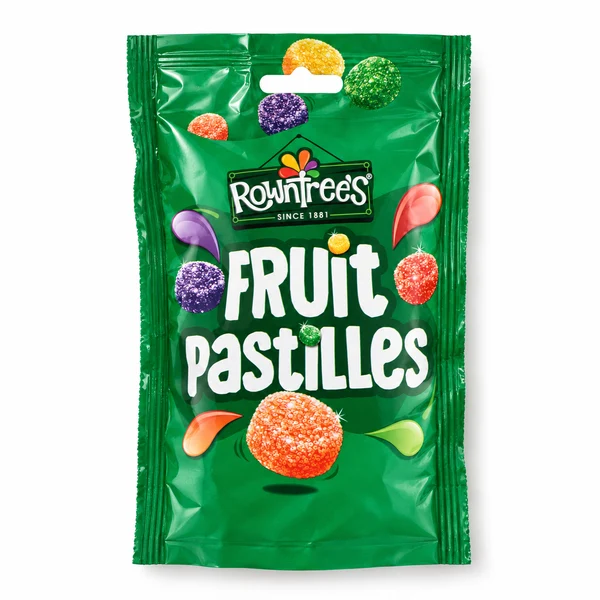
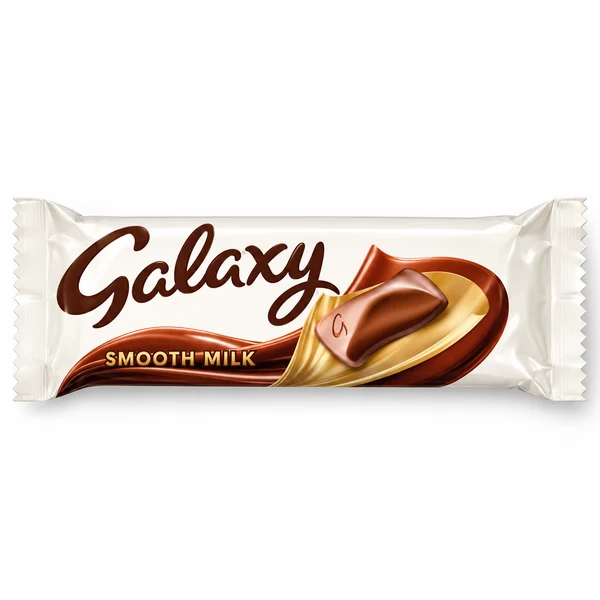
Quantities and ingredients belong to the exact listing and selected option. Check the current product page and physical pack for allergens, dietary information and storage.
Common questions
Does ℮ mean energy?
No. On the quantity line it relates to average quantity control.
Must every packet weigh exactly the printed number?
The average system recognises controlled variation; it is not a blanket permission for shortages.
Is a pack without ℮ automatically wrong?
No. Use of the mark is voluntary under the cited guidance.
Sources and editorial notes
Written and illustrated by HRS Food. Research reviewed on , using the references below and live HRS product listings. Recipe examples, study findings and legal label definitions are identified in context. These explanatory illustrations do not establish a brand’s private recipe. Where a rule or recipe can change, check the linked authority and current pack.