By HRS Food · Published · Reviewed
Why can chocolate pick up smells from nearby food?
Chocolate can take on unwanted nearby aromas, which is one reason manufacturers recommend storage away from strong smells. The packaging, surrounding environment and storage instructions matter. A closed fridge does not automatically protect an open bar from the other food inside it. [1][2]

Why do makers mention odour-free storage?
Chocolate’s eating experience includes aroma, not just sweetness or cocoa percentage. Läderach’s care guidance explicitly warns about chocolate absorbing nearby scents. Callebaut also recommends odour-free packaging materials.
An unwanted smell therefore need not mean the maker added that flavour. Consider where the product was kept and whether its wrapper was open or damaged before assuming the recipe changed.[1][2]
Is a fridge a good solution?
A fridge can introduce other concerns, including nearby aromas, humidity and condensation when a product is brought back into warmer air. The maker’s advice for its particular chocolate is more useful than a blanket rule to refrigerate everything.
A filled chocolate may have its own required refrigeration instructions. Do not ignore those because general advice for a shelf-stable plain bar recommends a cool, dry place. The complete product is the relevant one.[2][1]

What can suitable packaging do?
A protective package helps separate chocolate from its surroundings. The material and the closure both matter; folding an opened wrapper loosely is not the same as restoring a factory seal.
Use an appropriate clean, food-safe container where the pack instructions permit. Keep original product information with the chocolate, and avoid storing it beside strongly aromatic foods or household chemicals.[2]
What if a bar already smells unusual?
Do not assume every unusual smell has one harmless cause. Check the exact product, date, wrapper condition and storage history. If the issue is unexpected, contact the seller or manufacturer with those details.
This explanation is about aroma protection, not a method for certifying a suspicious food as safe. Removing a smell or covering it with another flavour would not establish that a product is suitable to eat.[3][1]
The key differences at a glance
| Storage detail | Why it matters |
|---|---|
| Strong nearby aromas | Can affect the chocolate’s aroma |
| Packaging material | Should be suitable and odour-free |
| Closure | A loose wrapper is not a full seal |
| Product instructions | Filled and plain products can differ |
Related examples at HRS Food
Compare the linked HRS formats alongside the explanation above. These are product examples, not evidence of a particular factory recipe. Check the exact listing and current pack before choosing.
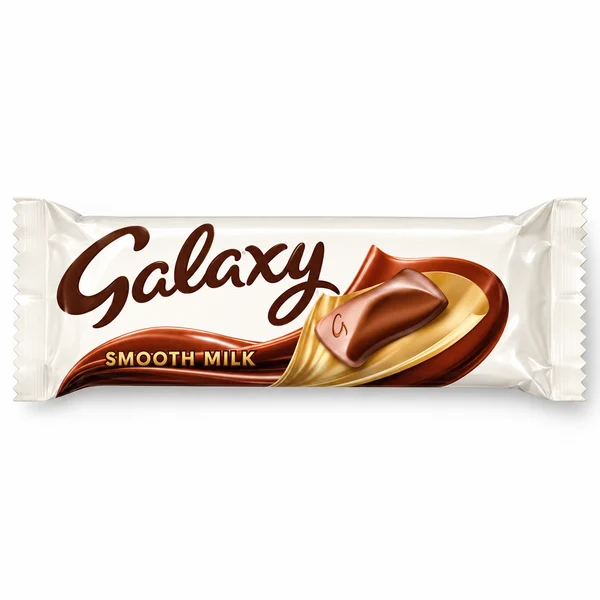
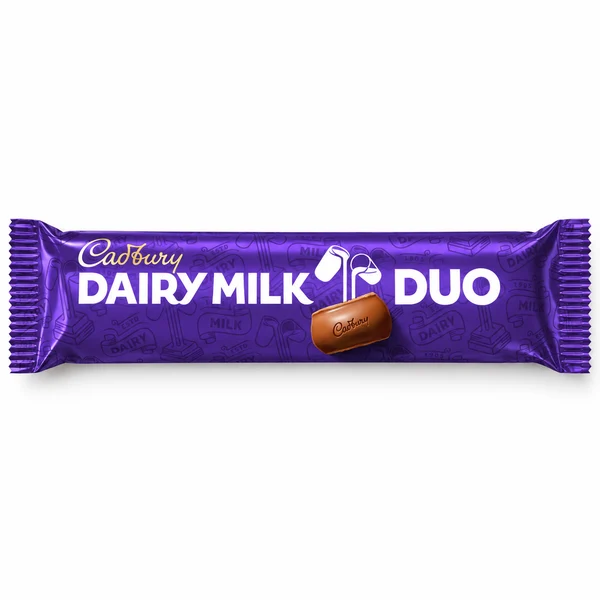
Quantities and ingredients belong to the exact listing and selected option. Check the current product page and physical pack for allergens, dietary information and storage.
Common questions
Does refrigeration remove other smells?
No. Other stored foods and packaging still matter.
Does a different smell prove the recipe changed?
No. Storage history can also affect aroma.
Can I mask an odd smell and eat it?
Masking it does not establish safety. Resolve the cause rather than assuming.
Sources and editorial notes
Written and illustrated by HRS Food. Research reviewed on , using the references below and live HRS product listings. Recipe examples, study findings and legal label definitions are identified in context. These explanatory illustrations do not establish a brand’s private recipe. Where a rule or recipe can change, check the linked authority and current pack.