By HRS Food · Published · Reviewed
How to keep chocolate from melting at an outdoor party
Plan the environment as well as the display: keep chocolate away from heat and direct sun, transport it under suitable conditions and put out small quantities rather than the whole supply. Follow each product’s instructions. Fresh cream fillings and other perishable confections need their own food-safety controls. [1][2]

Plan where the chocolate will wait
Choose a cool holding place before arranging the table. Shade helps avoid direct sun, but a shaded area can still become too warm for the product. Do not assume a tent, parked car or decorative box stays suitably cool.
Callebaut’s storage advice explains why higher temperatures affect chocolate’s firmness and finish. Use the actual product instructions when deciding whether your venue and transport plan are suitable.[1]
Transport and display are different stages
Use suitable protective packaging and, where appropriate, an insulated carrier. Keep chocolate protected from meltwater and direct wet contact with cooling materials. Reducing heat exposure and protecting against moisture are separate jobs.
At the table, start with a manageable quantity and replenish from suitable storage. This reduces the amount exposed at once and makes it easier to keep the product identifiable and the display tidy.[1][2]

Do not confuse avoiding melt with keeping food safe
A fresh cream confection can require chilled storage even if its outside still looks attractive. Food Standards Scotland advises keeping foods that normally need refrigeration cool during a picnic as well.
Conversely, the quality instructions for a sealed plain bar should not be copied onto a homemade filling. Read the whole product’s requirements and the official food-handling guidance for the kind of food you are serving.[2]
A useful checklist before guests arrive
Confirm the transport method, holding location, serving quantities and product labels. Provide suitable serving utensils and keep allergy information accessible. Decide in advance what you will do if the conditions become unsuitable.
If you cannot maintain a product’s required conditions, choose a different display plan or confection rather than relying on a glossy wrapper. No decoration can substitute for a suitable environment and appropriate food handling.[2][1]
The key differences at a glance
| Stage | What to arrange |
|---|---|
| Before travelling | Product-appropriate packaging and temperature plan |
| Holding at the venue | A genuinely suitable cool location |
| Serving | Smaller quantities with labels available |
| Changing weather | A plan to remove or replace unsuitable items |
Related examples at HRS Food
Compare the linked HRS formats alongside the explanation above. These are product examples, not evidence of a particular factory recipe. Check the exact listing and current pack before choosing.
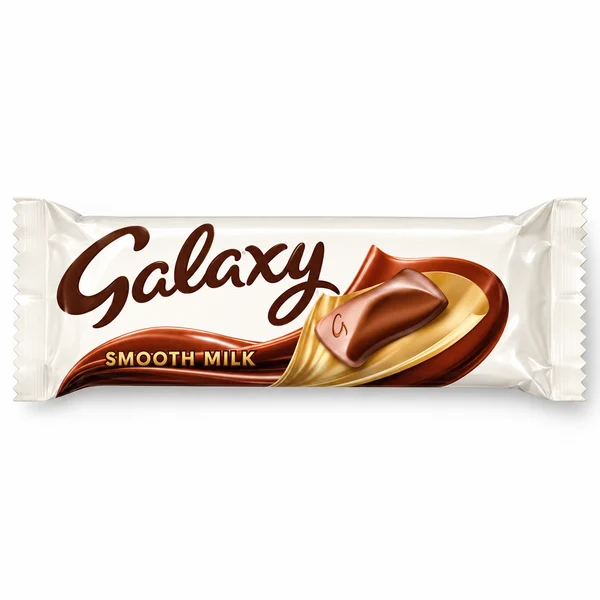
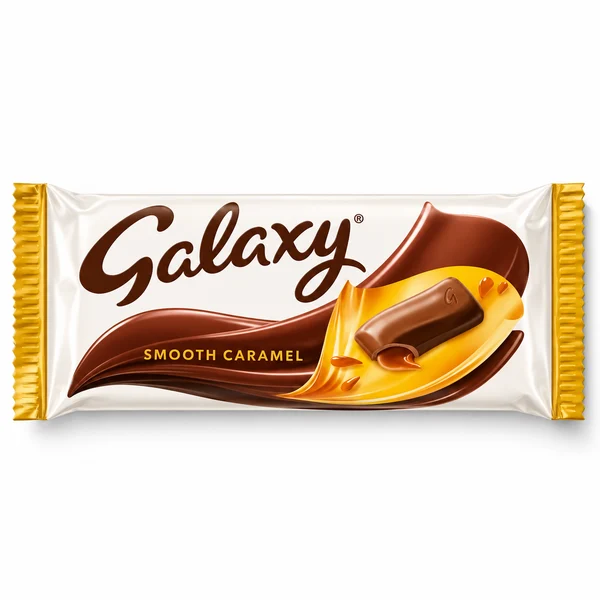
Quantities and ingredients belong to the exact listing and selected option. Check the current product page and physical pack for allergens, dietary information and storage.
Common questions
Is shade enough on a very hot day?
Not necessarily. Check the actual conditions and the product’s requirements.
Can I put chocolate directly against melting ice?
Protect it from moisture; use suitable packaging and a product-appropriate transport method.
Does a fresh cream filling follow plain-bar storage advice?
No. Its own required conditions matter.
Sources and editorial notes
Written and illustrated by HRS Food. Research reviewed on , using the references below and live HRS product listings. Recipe examples, study findings and legal label definitions are identified in context. These explanatory illustrations do not establish a brand’s private recipe. Where a rule or recipe can change, check the linked authority and current pack.