By HRS Food · Published · Reviewed
Can you freeze chocolate, and how should you thaw it?
Some chocolate can be frozen, but it is not a universal storage recommendation. Follow the maker’s guidance for the exact product, especially filled confections. If freezing is appropriate, protecting the chocolate from moisture and keeping it wrapped while it returns to room temperature helps reduce condensation-related surface changes. [1][2]

Start with the product, not the freezer
Plain chocolate and filled confections are different. A centre can have its own ingredients and storage requirements. Some makers advise against freezing their confections, while others provide instructions for customers who choose to do so.
Check the exact pack and the maker’s advice before deciding. A general article cannot replace handling instructions for a fresh cream filling or a specialist chocolate preparation.[2][3]
Why does the wrapping matter?
Guittard explains that condensation can lead to sugar bloom when temperature changes expose chocolate to moisture. Keeping chocolate well wrapped until it reaches room temperature can help reduce that problem.
Packaging should protect against moisture and unwanted aromas, not merely hold the pieces together. Use suitable food packaging and retain the original product information. A loosely covered bowl is not equivalent to an intact protective pack.[1][3]

How should suitable chocolate be thawed?
For a product whose maker permits freezing, use its recommended method. Keep the package closed while the chocolate acclimatises rather than exposing a cold surface straight to warmer, humid air. Do not borrow exact timings from a different product.
Avoid repeatedly moving the same chocolate between cold and warm conditions. If you only need a portion, plan the packaging before freezing so the whole supply does not need to be opened and handled each time.[1][2]
What freezing does not establish
Freezing does not turn a quality explanation into a food-safety certificate. It does not correct a product that was already mishandled or justify ignoring a use-by date or the instructions for a perishable filling.
If your aim is simply to store an unopened bar for ordinary use, the maker’s cool, dry storage advice may be the appropriate choice. Our cold-chocolate tasting guide discusses flavour perception separately from preservation.[3][4]
The key differences at a glance
| Question | Useful action |
|---|---|
| Plain or filled? | Read the instructions for the whole product |
| Maker permits freezing? | Use its packing and thawing advice |
| Returning to room temperature? | Keep suitable packaging closed while acclimatising |
| Unsure about safety? | Do not treat freezing as a reset |
Related examples at HRS Food
Read the storage information for the exact chocolate format before deciding whether to freeze it. These links do not establish that the maker recommends freezing every bar or filled confection.
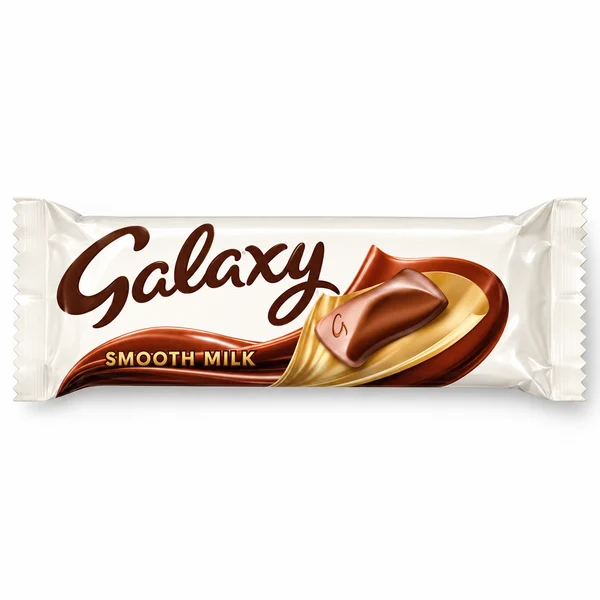
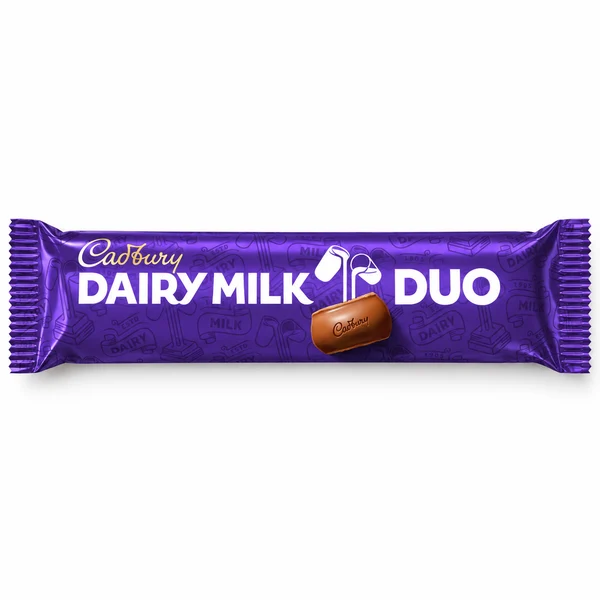
Quantities and ingredients belong to the exact listing and selected option. Check the current product page and physical pack for allergens, dietary information and storage.
Common questions
Can all truffles be frozen?
Do not assume so. Fillings and maker instructions differ.
Why keep the pack closed while warming?
It helps reduce exposure of the cold chocolate to condensation.
Will freezing restore stale or unsafe chocolate?
No such conclusion follows. Quality damage and unsafe handling are separate issues.
Sources and editorial notes
Written and illustrated by HRS Food. Research reviewed on , using the references below and live HRS product listings. Recipe examples, study findings and legal label definitions are identified in context. These explanatory illustrations do not establish a brand’s private recipe. Where a rule or recipe can change, check the linked authority and current pack.