By HRS Food · Published · Reviewed
What is isomalt, and why is it used for decorations?
Isomalt is a polyol sweetener used in confectionery and sugar decorations. Its relatively low tendency to absorb moisture is useful when making clear, crisp decorative structures. It is not ordinary table sugar, and it should not be confused with isomaltulose, a different ingredient with a similar name. [1][2]

Why do confectioners choose isomalt?
BENEO describes isomalt as less hygroscopic than ordinary sugar and many other polyols. In practical terms, taking up less moisture can help a confectioner maintain the intended surface and structure under appropriate conditions.
Unipatis identifies sugar-art and decorative applications for its isomalt product. That gives a more useful explanation than saying it is chosen merely because it looks like glass.[1][2]
Is a clear sweet always made with isomalt?
No. Appearance cannot identify the sweetener. Ordinary sugar systems can also produce clear-looking confections, and a maker can combine ingredients for a particular result. Read the actual product declaration.
Likewise, a decoration made with isomalt is not literally glass. It is confectionery material, but the finished item still needs to be suitable for its intended use. Large, sharp or purely display-oriented structures should not be treated as ordinary bite-sized sweets.[1][2]

Is isomalt the same as isomaltulose?
No. Similar names do not make them interchangeable ingredients. Isomalt belongs to the polyol sweeteners discussed in food-labelling guidance. Use the full ingredient name and the manufacturer’s specification when following a recipe.
A product containing a sweetener does not automatically become sugar-free or calorie-free. Those claims depend on the complete formulation and relevant conditions. Polyol warnings can also apply to the finished product.[1][3][4]
What if you want to try sugar decorations?
Use a complete tested method for the particular isomalt product, with suitable equipment and handling guidance. Melted sugar-work materials are extremely hot; a brief explanation is not enough preparation for safely handling them.
When buying finished sweets, use the maker’s label to establish the recipe and storage. HRS hard-sweet examples are comparisons of confectionery formats, not a claim that their clear appearance proves they contain isomalt.[2][1]
The key differences at a glance
| Term or claim | What to distinguish |
|---|---|
| Isomalt | A polyol used in confectionery |
| Isomaltulose | A different ingredient |
| Clear appearance | Not proof of the sweetener used |
| Sugar-free | A separate claim about the finished recipe |
Related examples at HRS Food
These familiar sweet formats offer a comparison for the textures or decorations discussed. They are not being sold here as candy canes, edible glitter or isomalt decorations.
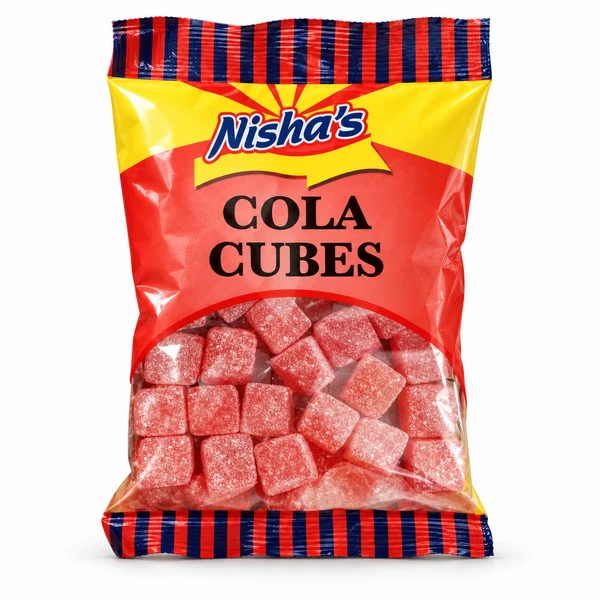
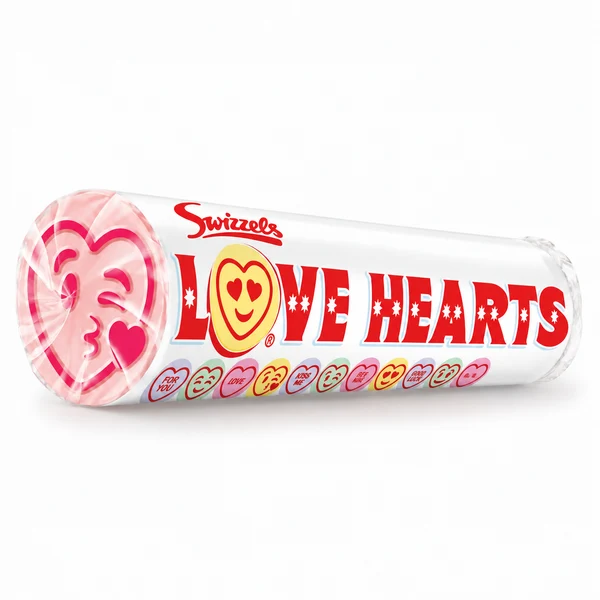
Quantities and ingredients belong to the exact listing and selected option. Check the current product page and physical pack for allergens, dietary information and storage.
Common questions
Does every clear sweet contain isomalt?
No. Identify the ingredient from the label rather than appearance.
Is isomalt identical to isomaltulose?
No. They are different ingredients despite similar names.
Does isomalt mean I can eat unlimited sweets?
No. Read the whole formulation, nutrition and any polyol warning.
Sources and editorial notes
Written and illustrated by HRS Food. Research reviewed on , using the references below and live HRS product listings. Recipe examples, study findings and legal label definitions are identified in context. These explanatory illustrations do not establish a brand’s private recipe. Where a rule or recipe can change, check the linked authority and current pack.