By HRS Food · Published · Reviewed
Why do sugar-free sweets have a laxative warning?
Some sweets use polyols, also called sugar alcohols, as sweetening ingredients. They can be incompletely absorbed and affect fluid and fermentation in the gut. GOV.UK specifies a laxative warning for foods containing more than 10% polyols. That percentage describes the product, not an amount everyone can eat without symptoms. [1][2]

What are polyols?
Polyols are a group of ingredients that includes substances such as sorbitol and maltitol. The term sugar alcohol does not mean the product is an alcoholic drink. Check the ingredient list to see which sweeteners are actually present.
Different products can use different combinations, including other sweeteners. A sugar-free label by itself does not establish which formulation has been used or whether the specific polyol warning applies.[1][2]
Why can they affect digestion?
Cambridge University Hospitals describes polyols among fermentable carbohydrates that can be poorly absorbed. Their movement through the gut can affect water and gas, with effects that vary between people and quantities consumed.
That explanation is not a diagnosis of a digestive condition. A label warning cannot predict an individual’s response, and the absence of an immediate reaction does not create a personal guaranteed allowance.[2]

What does the over-10% figure mean?
The government warning guidance refers to the composition of a food. It does not say that 10% of a bag is a safe serving, nor does it establish one safe gram quantity for every adult or child.
Read the actual pack for any additional consumption advice. If you compare products, remember that piece sizes and polyol concentrations can differ. Counting sweets without knowing their size and recipe is not a reliable comparison.[1]
What should a shopper do with the information?
Treat the warning as meaningful and keep the packaging available. Do not turn a large bag into an eating challenge or assume sugar-free means unlimited. Compare the nutrition declaration and ingredient list as separate pieces of information.
If eating a product causes symptoms, stop using it and seek suitable medical advice if symptoms are severe or persist. You do not need to test your tolerance repeatedly to understand the label.[2][1]
The key differences at a glance
| Label detail | What it does and does not mean |
|---|---|
| Polyol ingredient | Identifies part of the sweetening system |
| Over 10% condition | A product-composition warning threshold |
| Serving advice | Read the exact manufacturer’s instructions |
| Individual response | Not predicted by a universal sweet count |
Related examples at HRS Food
Use these examples to practise reading the exact product information. Their inclusion is not a sugar-free, milk-free, gluten-free, vegan or other dietary recommendation. Check the current pack and your own requirements.
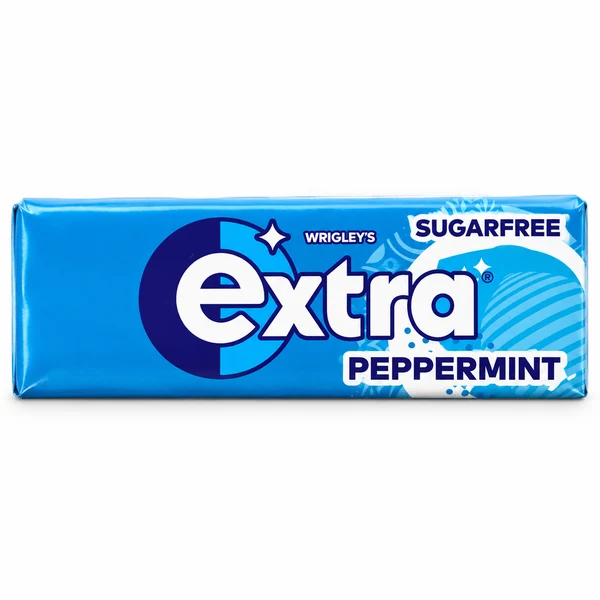
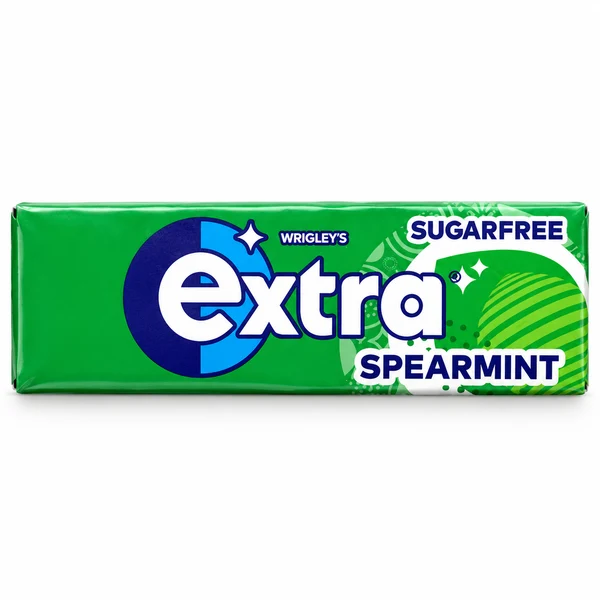
Quantities and ingredients belong to the exact listing and selected option. Check the current product page and physical pack for allergens, dietary information and storage.
Common questions
Are sugar alcohols the same as drinking alcohol?
No. The name refers to a chemical ingredient group, not an alcoholic beverage.
Does the warning apply to every sugar-free sweet?
Check the actual ingredients and label; formulations differ.
Can I calculate a safe number from 10%?
No. That is not a universal serving rule and individual responses vary.
Sources and editorial notes
Written and illustrated by HRS Food. Research reviewed on , using the references below and live HRS product listings. Recipe examples, study findings and legal label definitions are identified in context. These explanatory illustrations do not establish a brand’s private recipe. Where a rule or recipe can change, check the linked authority and current pack.