By HRS Food · Published · Reviewed
Sugar-free vs no added sugar sweets: what differs?
Sugar-free and no added sugar describe different things. Under the cited nutrition-claim rules, sugar-free allows no more than 0.5g sugars per 100g or 100ml. No added sugar concerns what has been added for sweetening; the food may still contain naturally occurring sugars. Neither claim automatically means calorie-free. [1][2]

What does sugar-free mean?
The sugar-free threshold applies to the stated 100g or 100ml basis, not to a specially tiny serving chosen by the shopper. A trace allowance is different from a guarantee that the analytical sugar content is exactly zero.
Read the nutrition panel to compare products on the same basis. A small pack and a large bag may display different serving quantities, but the per-100g figures help you make a like-for-like comparison.[1][2]
What does no added sugar mean?
The cited conditions exclude added mono- or disaccharides and other foods used for their sweetening properties. Where naturally occurring sugars are present, the associated statement is relevant. This is a recipe-related claim, not a promise of zero sugars.
That distinction is particularly useful for products containing ingredients that naturally contribute sugar. The actual sugars figure is still in the nutrition declaration. Do not replace that figure with a guess based on the front of the pack.[1]

What may provide sweetness instead?
A confection may use sweeteners or polyols, depending on the recipe. Those ingredients have their own functions and labelling requirements. Read their names rather than treating every sugar-free sweet as one identical formulation.
Some products carry warnings related to particular ingredients. A claim on the front does not cancel the rest of the pack. Our polyol-warning guide explains why a product-composition threshold is not a universal safe serving size.[3]
How to compare two sweet packets
First identify the precise claim. Next compare sugars and energy per 100g. Finally check your actual portion and any ingredient or allergen requirement. Those steps answer different questions without awarding a packet a blanket healthy label.
If you have a medical dietary requirement, use the advice given for your own situation. This guide explains label wording; it does not decide which confectionery is appropriate for a particular condition.[2][1]
The key differences at a glance
Explore the comparison
Choose a term to read its explanation. The full comparison is in the table below.
A maximum sugars content under the claim conditions
| Wording | What it describes |
|---|---|
| Sugar-free | A maximum sugars content under the claim conditions |
| No added sugar | The addition of sugars or ingredients used for sweetening |
| Naturally occurring sugars | Sugars can still be present |
| Energy per 100g | A separate figure to compare |
Related examples at HRS Food
Use these examples to practise reading the exact product information. Their inclusion is not a sugar-free, milk-free, gluten-free, vegan or other dietary recommendation. Check the current pack and your own requirements.
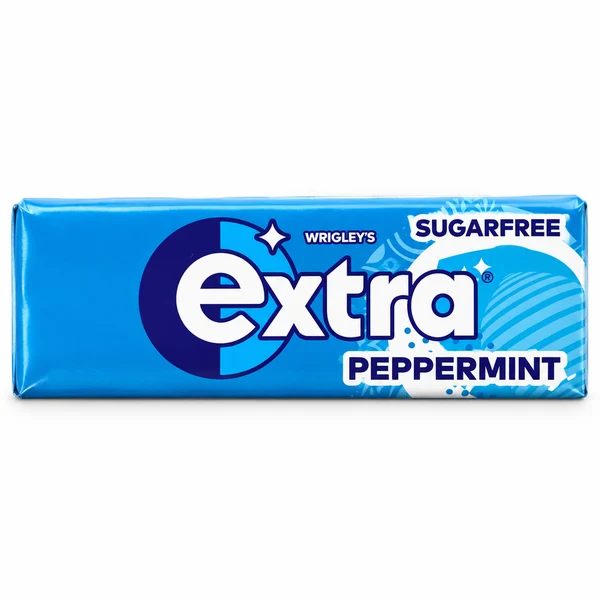
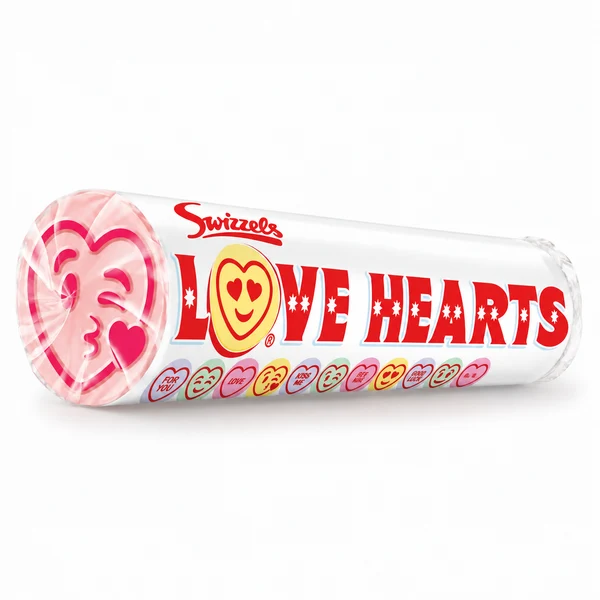
Quantities and ingredients belong to the exact listing and selected option. Check the current product page and physical pack for allergens, dietary information and storage.
Common questions
Can no-added-sugar sweets contain sugars?
Yes. Naturally occurring sugars may still be present.
Does sugar-free mean calorie-free?
No. Energy is a separate nutrition declaration.
Does a smaller portion change the sugar-free threshold?
The cited claim condition is expressed per 100g or 100ml, not your chosen serving.
Sources and editorial notes
Written and illustrated by HRS Food. Research reviewed on , using the references below and live HRS product listings. Recipe examples, study findings and legal label definitions are identified in context. These explanatory illustrations do not establish a brand’s private recipe. Where a rule or recipe can change, check the linked authority and current pack.