By HRS Food · Published · Reviewed
What do E numbers in sweets actually mean?
An E number identifies a food additive. Additives can perform jobs such as colouring, emulsifying, regulating acidity or helping a sweet set. The code is an identifier, not a warning that an ingredient is automatically harmful, artificial or unsuitable for every dietary need. [1][2]

Why use an additive code?
A standard identifier can name an additive consistently even when labels use different languages. The ingredient list may give an additive’s name or number alongside its functional category. That category helps explain what it is doing in the food.
For example, an acidity regulator and an emulsifier do different jobs. Reading only the code misses useful context. Start with the function stated beside it, then look up the specific ingredient if you want more detail.[1]
Does an E number mean artificial?
Not by itself. The code identifies the substance, not a simple natural-versus-artificial category. The Food Standards Agency explains different additive roles and the assessment and regulation of their uses.
Avoid the opposite shortcut too: a familiar-sounding or natural-source ingredient is not automatically suitable in every quantity or for every person. A code is neither a danger score nor a complete dietary certificate.[1][2]

Why do permitted uses and warnings matter?
Authorisation can specify the foods and conditions in which an additive may be used. The GB register provides current status and conditions rather than one timeless list that applies everywhere in the world.
Some ingredients also require particular label wording. GOV.UK’s warning guidance is a separate source for that information. Read the actual packet rather than assuming that every additive carrying a number needs the same warning.[2][3]
How to investigate a sweet’s ingredient
Write down the full additive name or code and its stated function, along with the exact product. Use an official source to check its identity. If your question is about an animal or plant manufacturing source, ask the maker where the label does not settle it.
Do not delete or ignore an allergen statement because an ingredient has a technical name. The complete ingredient list, precautionary information and any dietary claim still need to be read together.[1][4]
The key differences at a glance
| Information | What it can tell you |
|---|---|
| E number | The additive’s identity |
| Functional category | Its stated job in the recipe |
| Authorisation details | Permitted uses and conditions |
| Product declaration | The finished sweet’s ingredients and warnings |
Related examples at HRS Food
Use these examples to practise reading the exact product information. Their inclusion is not a sugar-free, milk-free, gluten-free, vegan or other dietary recommendation. Check the current pack and your own requirements.
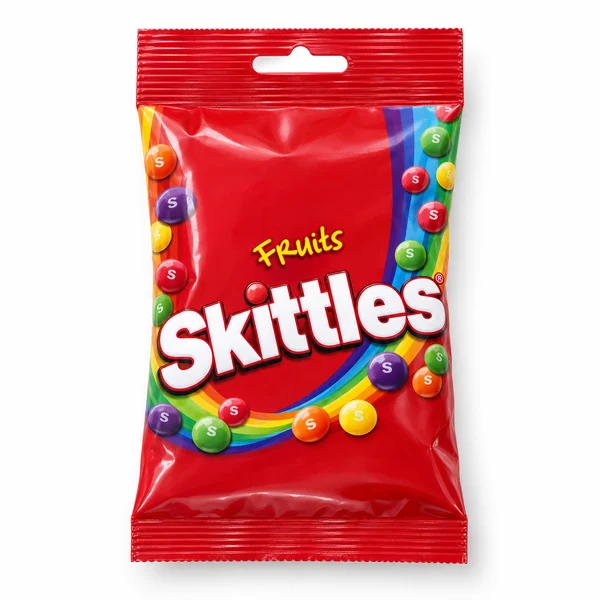
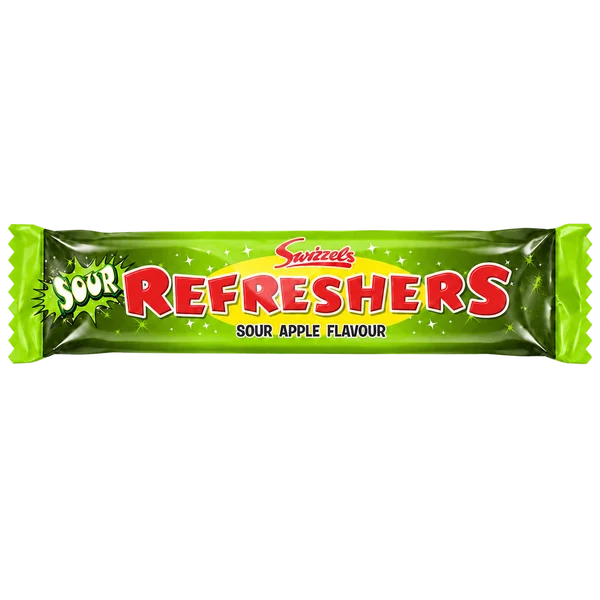
Quantities and ingredients belong to the exact listing and selected option. Check the current product page and physical pack for allergens, dietary information and storage.
Common questions
Are all E numbers artificial ingredients?
No. The identifier alone does not establish that distinction.
Are the same additives permitted everywhere?
Rules and conditions can vary by market and change over time.
Can an E number tell me whether a sweet is vegan?
Not necessarily. Use the whole product declaration and ask the maker about unresolved ingredient sources.
Sources and editorial notes
Written and illustrated by HRS Food. Research reviewed on , using the references below and live HRS product listings. Recipe examples, study findings and legal label definitions are identified in context. These explanatory illustrations do not establish a brand’s private recipe. Where a rule or recipe can change, check the linked authority and current pack.