By HRS Food · Published · Reviewed
Edible glitter vs non-toxic glitter: what differs?
Edible glitter is manufactured to be eaten as food under the applicable rules. Non-toxic does not mean edible, and a decorative-only product should not be treated as a food ingredient. Read the exact label and ingredient list rather than assuming a glitter is suitable because it is sold beside cake decorations. [1][2]

What can edible glitter be made from?
Formulations vary. The FDA describes edible products using ingredients such as sugar, starches, gums and permitted colour additives. The precise ingredients and allowed use depend on the product and market.
That does not mean every shiny powder, metallic decoration or craft glitter is food. Check the actual ingredient list and food-use description. Colour and sparkle cannot identify a substance’s suitability.[1]
Why is non-toxic a different statement?
A product described as non-toxic is not thereby being sold as something to consume. Food Standards Agency guidance makes the distinction between edible products and decorations that should not enter the edible food.
Do not rely on a seller’s attractive cake photograph to settle the question. If a product is decorative-only or lacks clear food information, do not sprinkle it onto something people are expected to eat.[2][1]

Does FDA wording establish UK approval?
No. The FDA is a United States regulator. Its advice usefully explains the edible-versus-decorative distinction, but a US-related claim does not prove that every ingredient is permitted for the same use in Great Britain or another market.
Use a supplier providing clear information for the market where the food will be served. The current GB additive register gives authorisation information and conditions, which are more specific than a broad online approved claim.[3][2]
A practical check before decorating sweets
Look for an explicit edible food-use description, a complete ingredient list and appropriate supplier information. Follow any use instructions. If you cannot establish what the product is, choose a clearly identified food decoration instead.
Keep the decorating ingredients with the original sweet’s information when sharing. Adding a decoration creates an additional ingredient to consider; it does not remove any allergen information belonging to the sweet underneath.[1][2]
The key differences at a glance
| Description | What to do |
|---|---|
| Edible, with clear food information | Check ingredients and intended use |
| Non-toxic | Do not treat this as permission to eat it |
| Decorative-only | Keep it out of the edible food |
| Broad approval claim | Verify market and specific permitted use |
Related examples at HRS Food
These familiar sweet formats offer a comparison for the textures or decorations discussed. They are not being sold here as candy canes, edible glitter or isomalt decorations.
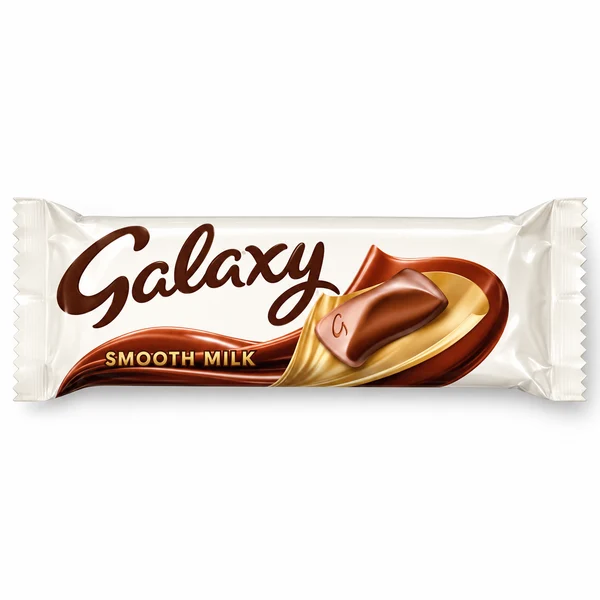
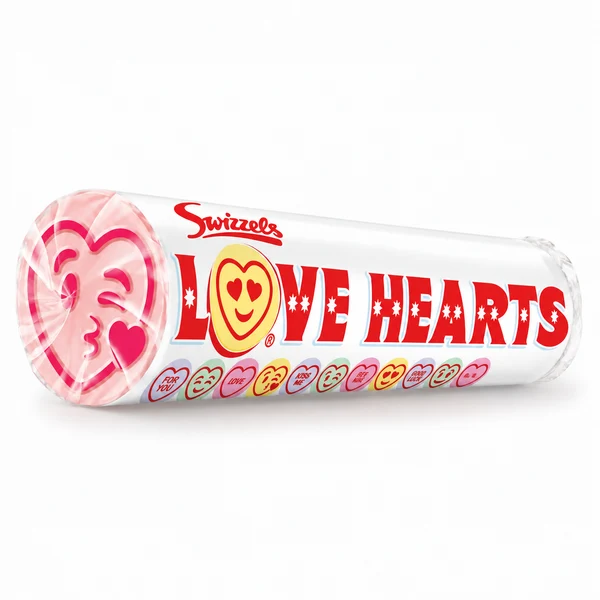
Quantities and ingredients belong to the exact listing and selected option. Check the current product page and physical pack for allergens, dietary information and storage.
Common questions
Can I eat glitter because it says non-toxic?
That wording alone does not mean edible.
Does a cake photo prove a glitter is food-safe?
No. Read the actual product label and supplier information.
Does FDA-approved wording settle the UK position?
No. The relevant market and specific permitted use must be checked.
Sources and editorial notes
Written and illustrated by HRS Food. Research reviewed on , using the references below and live HRS product listings. Recipe examples, study findings and legal label definitions are identified in context. These explanatory illustrations do not establish a brand’s private recipe. Where a rule or recipe can change, check the linked authority and current pack.