By HRS Food · Published · Reviewed
What does may contain mean on sweet packets?
May contain is precautionary allergen information: it warns that an allergen could be present through cross-contact even when it is not an intended recipe ingredient. It is not a promise that the allergen is absent, and it should not be read as a measured quantity or a low-risk score. [1][2]

Why would an allergen be there accidentally?
Ingredients and production environments can create cross-contact risks. GOV.UK describes precautionary labelling as relevant where a potential allergen risk remains that cannot be controlled. It is different from naming an intentional ingredient.
That does not mean every factory or every shared line has identical risks. A shopper should read the exact warning, not attempt to rank products by guesses about equipment or how often the warning is used.[1]
How is this different from bold ingredients?
The ingredient list tells you what the product contains as part of its declared recipe, with regulated allergens emphasised where required. A precautionary statement provides additional risk information outside that intentional recipe description.
Read both. A quick glance at the bold words alone can miss the separate warning, while a may-contain statement is not a substitute for checking the complete ingredients.[2]

Can I remove the visible allergen?
Removing a nut or separating sweets in a mixed bowl does not establish that the remaining food is free from that allergen. Cross-contact is not limited to visible pieces. The original pack information remains important.
For an allergy requirement, use individual clinical advice and ask the manufacturer or seller when information is unclear. Do not use tasting a little or checking the appearance as an allergy test.[2]
What if the information online differs from the wrapper?
Keep the exact product, flavour, pack and batch identity in view. Ask the seller or manufacturer to clarify the discrepancy rather than combining two declarations into an invented answer.
When sharing sweets, keep the original wrapper or a clear link to its current declaration. A bowl labelled simply sweets does not preserve the ingredient and precautionary information that different people may need.[2][1]
The key differences at a glance
| Statement | What it describes |
|---|---|
| Milk in the ingredient list | Declared recipe information |
| May contain milk | Possible allergen cross-contact |
| Vegan | A different claim from allergen-free |
| No visible nuts | Not evidence of absence |
Related examples at HRS Food
Use these examples to practise reading the exact product information. Their inclusion is not a sugar-free, milk-free, gluten-free, vegan or other dietary recommendation. Check the current pack and your own requirements.
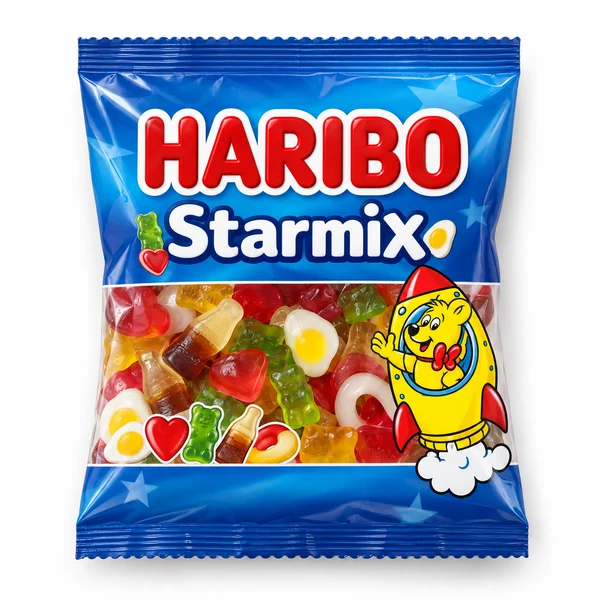
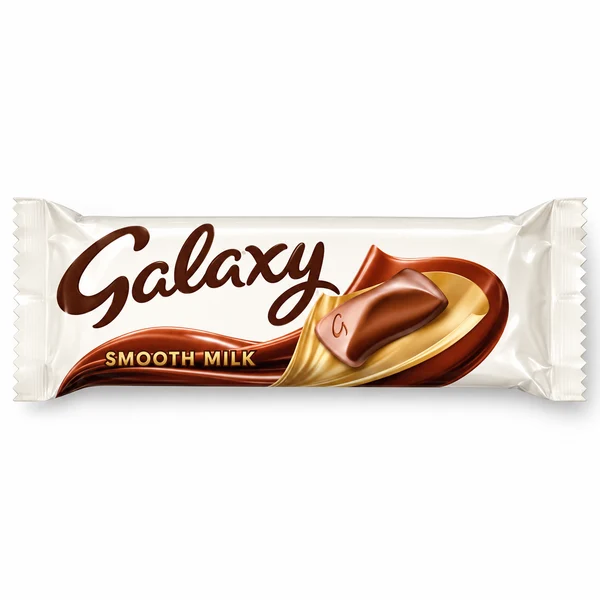
Quantities and ingredients belong to the exact listing and selected option. Check the current product page and physical pack for allergens, dietary information and storage.
Common questions
Does may contain mean a small safe amount?
No. It is not a measured dose or an individual safety threshold.
Does vegan remove a may-contain milk warning?
No. Vegan and allergen information answer different questions.
Can I rely on an old wrapper?
Use the current exact product information because recipes and declarations can change.
Sources and editorial notes
Written and illustrated by HRS Food. Research reviewed on , using the references below and live HRS product listings. Recipe examples, study findings and legal label definitions are identified in context. These explanatory illustrations do not establish a brand’s private recipe. Where a rule or recipe can change, check the linked authority and current pack.