By HRS Food · Published · Reviewed
Can a sweet’s colour change how it tastes?
Colour can influence flavour expectations and, in some experiments, how people identify or judge flavours. It does not chemically change the ingredients in a sweet. The effect depends on the food, the task and the person, so “red always tastes sweeter” is not a reliable universal rule. [1][2]

What is the difference between taste and flavour?
In everyday speech, taste often means the whole eating experience. Sensory experiments can separate taste qualities, aroma, appearance and the task a participant is asked to perform. A colour effect on identification is not automatically a change in the food’s sugar content.
This distinction keeps a confectionery claim honest. A person expecting a red piece to taste fruity may describe it differently, but the colour has not added fruit or altered the nutrition declaration.[1]
What do experiments show?
Wieneke and colleagues studied matching and mismatching colour–flavour combinations in a controlled discrimination task. Their work is evidence that visual context can matter in particular testing conditions, not proof of one identical effect for every bag of sweets.
Other visual-perception experiments investigate features such as apparent texture. These findings encourage careful questions about the whole eating experience, rather than treating sight as irrelevant or claiming it overrides everything else.[1][2]

A blind tasting you can try without overclaiming
If the sweets suit everyone’s dietary needs, have one person present clearly identified samples without revealing the colours. Ask participants to describe flavour before showing the pieces or packaging. Keep the original labels available and avoid mixing unidentified foods.
Then compare the descriptions with a sighted tasting. Treat any difference as an informal observation. Small groups, order effects, memories and changing expectations mean this is not a controlled study or proof of a universal colour rule.[1]
How can this help a shopper?
Use the named flavour and ingredients to identify a sweet, not colour alone. Brands can use different colour conventions, and recipes can change. Appearance is a useful cue but an unreliable substitute for the actual label.
The same applies to allergens and dietary requirements. A brown sweet is not automatically chocolate, and a pale sweet is not automatically dairy-free. The complete product declaration remains the information to use.[1]
The key differences at a glance
| Question | Keep the distinction clear |
|---|---|
| What do I expect? | Colour can provide a learned cue |
| What do I perceive? | The complete sensory experience |
| What is in the sweet? | Established by the product declaration |
Related examples at HRS Food
Compare the linked HRS formats alongside the explanation above. These are product examples, not evidence of a particular factory recipe. Check the exact listing and current pack before choosing.
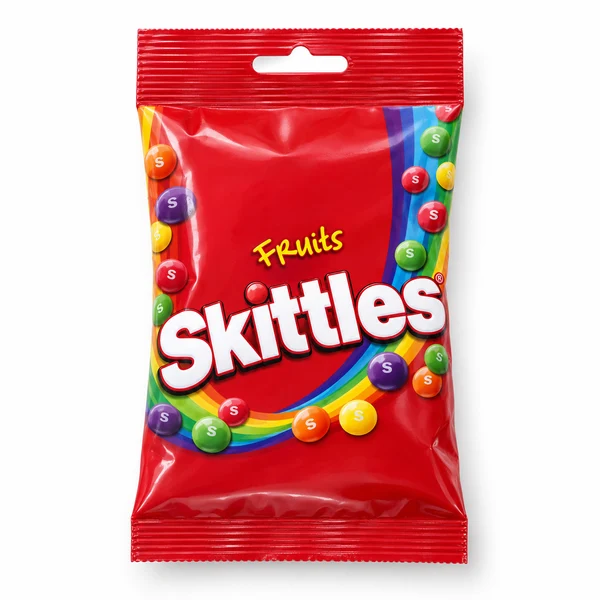
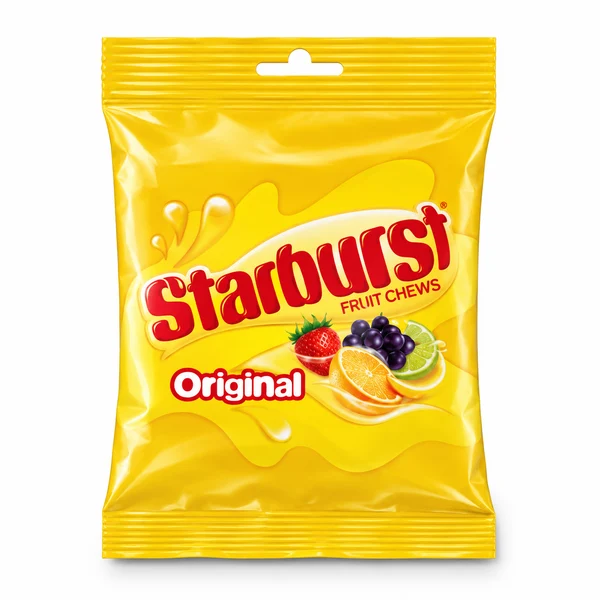
Quantities and ingredients belong to the exact listing and selected option. Check the current product page and physical pack for allergens, dietary information and storage.
Common questions
Does red colouring add sugar?
No. A perception effect is different from a change in the recipe.
Does colour always influence everyone?
No. Effects depend on the person and testing conditions.
Can I identify allergens by colour?
No. Use the ingredient and allergen information for the exact product.
Sources and editorial notes
Written and illustrated by HRS Food. Research reviewed on , using the references below and live HRS product listings. Recipe examples, study findings and legal label definitions are identified in context. These explanatory illustrations do not establish a brand’s private recipe. Where a rule or recipe can change, check the linked authority and current pack.