By HRS Food · Published · Reviewed
Are wheat-free sweets always gluten-free?
No. Wheat-free and gluten-free are different claims. Gluten can come from cereals other than wheat, while some foods labelled gluten-free contain specially processed wheat starch. A product suitable for a gluten-free diet is not automatically suitable for someone with a wheat allergy. [1][2]

Why wheat-free does not settle gluten content
Wheat is not the only cereal relevant to gluten avoidance. Barley and rye are other important examples. A recipe without wheat can therefore require further checks before a gluten-free claim is established.
Read the exact product information rather than deciding from the main sweet ingredient. Fillings, coatings, crisp pieces and flavour ingredients can add components that are not obvious from a photograph.[1][3]
How can gluten-free food contain wheat starch?
Coeliac UK explains that specially produced wheat starch can have gluten reduced to a level compatible with gluten-free labelling. The cited gluten-free threshold is no more than 20 parts per million.
That does not mean the original cereal identity has disappeared for every dietary purpose. A wheat-related declaration can still be relevant, especially for a person with wheat allergy. Gluten avoidance and wheat-allergy advice are not interchangeable.[1][2]

What should someone with coeliac disease check?
Use clear gluten-free information for the exact finished product, not a homemade conclusion based on a short ingredient description. Coeliac UK’s guidance explains the regulated wording and the role of specially processed starch.
If a product’s online description, current wrapper or precautionary information seems inconsistent, ask for clarification. Do not use the same name on a different pack as a substitute for exact information.[1]
What if the requirement is a wheat allergy?
Follow the individual advice given by the relevant clinician. A gluten-free threshold is not a general safety threshold for every wheat-allergic person, and this article cannot decide a specific product’s suitability for them.
Keep the pack when serving sweets to others and state the actual product rather than simply calling it free-from. The phrase is only useful when the relevant substance and the exact claim are clear.[3][2]
The key differences at a glance
Explore the comparison
Choose a term to read its explanation. The full comparison is in the table below.
Does not exclude every cereal source of gluten
| Claim or term | Important distinction |
|---|---|
| Wheat-free | Does not exclude every cereal source of gluten |
| Gluten-free | A defined gluten level, not necessarily wheat-free |
| Gluten-free wheat starch | A specially processed ingredient |
| Wheat allergy | Needs its own individual avoidance advice |
Related examples at HRS Food
Use these examples to practise reading the exact product information. Their inclusion is not a sugar-free, milk-free, gluten-free, vegan or other dietary recommendation. Check the current pack and your own requirements.
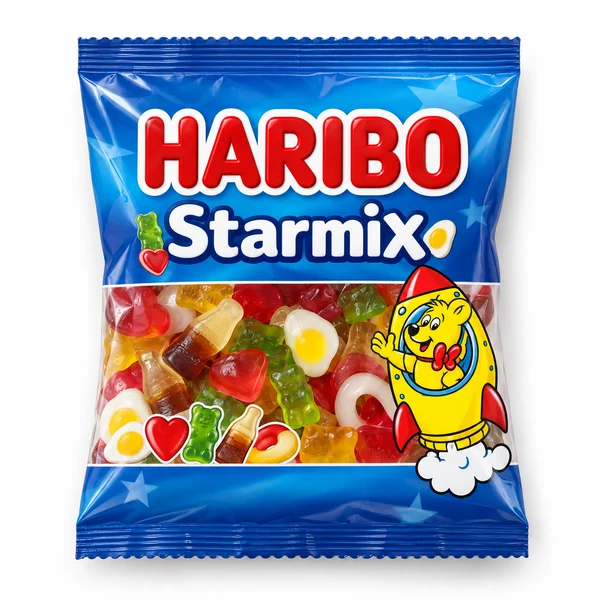
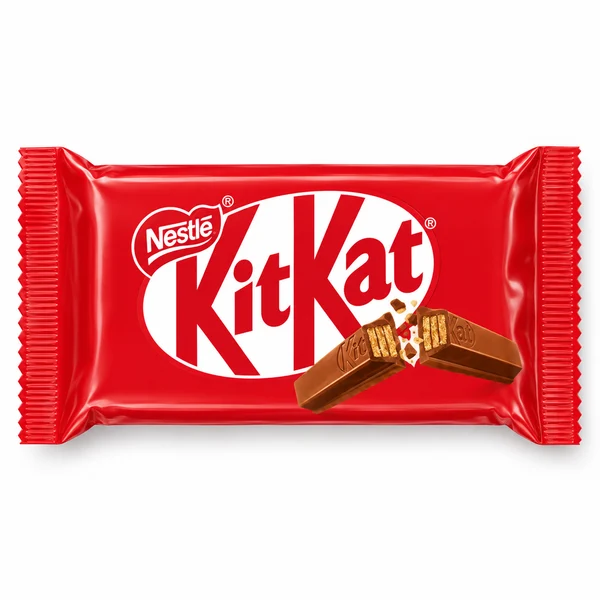
Quantities and ingredients belong to the exact listing and selected option. Check the current product page and physical pack for allergens, dietary information and storage.
Common questions
Can a wheat-free sweet contain barley?
A wheat-free description alone does not exclude barley; read the full declaration.
Can gluten-free food contain wheat starch?
Yes, specially processed wheat starch can be used under the relevant gluten-free conditions.
Does gluten-free mean suitable for every wheat allergy?
No. Follow the individual clinical advice for the allergy.
Sources and editorial notes
Written and illustrated by HRS Food. Research reviewed on , using the references below and live HRS product listings. Recipe examples, study findings and legal label definitions are identified in context. These explanatory illustrations do not establish a brand’s private recipe. Where a rule or recipe can change, check the linked authority and current pack.