By HRS Food · Published · Reviewed
Is dairy-free chocolate the same as lactose-free?
No. Lactose is the sugar in milk, while milk allergy concerns milk proteins. A lactose-free dairy ingredient can still contain milk proteins. Dairy-free and lactose-free therefore answer different questions, and neither the chocolate’s colour nor a vegan label should replace the exact allergy information. [1][2]

Milk sugar and milk protein are different
The NHS distinguishes lactose intolerance from an allergy to milk protein. Lactose-free dairy products can be made by breaking down lactose with the enzyme lactase. That does not turn the dairy ingredient into a milk-protein-free ingredient.
For chocolate, the practical consequence is simple: a lactose-free claim should not be used as permission to ignore a milk ingredient declaration. Use the requirement that applies to your own situation.[1][2]
Why dark chocolate is not a shortcut
Dark chocolate describes a chocolate style, not a dairy-free guarantee. Some recipes include milk ingredients, and others carry precautionary milk statements. A high cocoa percentage does not answer either question.
The same brand can sell different formulations. Check the precise flavour and pack rather than transferring a declaration from one bar to another because the wrappers look similar.[5]

What about vegan chocolate?
A vegan description concerns animal-derived ingredients and production standards. The Food Standards Agency explains why vegan labelling is not the same as an allergen-free assurance. Precautionary allergen information still matters.
If a pack’s claims seem contradictory or the information is incomplete, ask the manufacturer or seller to resolve the exact product information. Do not make a trial tasting your method of checking allergy suitability.[3][4]
A practical way to read the packet
Identify the exact claim, read the full ingredients and then read the precautionary statement. Keep those three steps separate. For someone with a diagnosed allergy or intolerance, follow their clinician’s individual advice rather than an online generalisation.
The HRS links in this article are examples of chocolate formats whose labels you can inspect. They are not recommendations for a milk-free diet and are not certified suitable simply because they appear beside this explanation.[2][3]
The key differences at a glance
Explore the comparison
Choose a term to read its explanation. The full comparison is in the table below.
Relates to milk sugar, not necessarily milk protein
| Term | What to distinguish |
|---|---|
| Lactose-free | Relates to milk sugar, not necessarily milk protein |
| Dairy-free | A different absence claim to check on the exact product |
| Vegan | Not an automatic milk-allergy guarantee |
| Dark chocolate | A style, not an allergen-free claim |
Related examples at HRS Food
Use these examples to practise reading the exact product information. Their inclusion is not a sugar-free, milk-free, gluten-free, vegan or other dietary recommendation. Check the current pack and your own requirements.
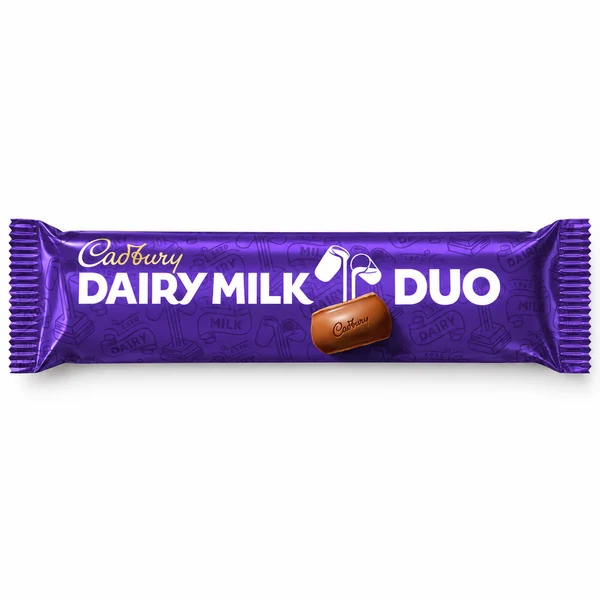
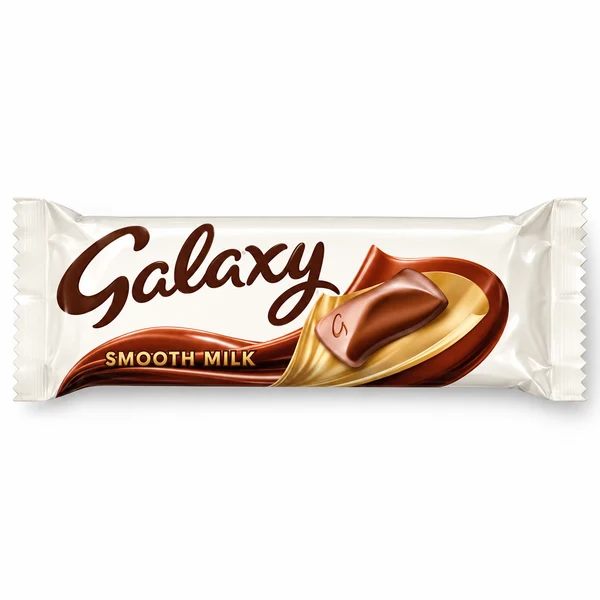
Quantities and ingredients belong to the exact listing and selected option. Check the current product page and physical pack for allergens, dietary information and storage.
Common questions
Can lactose-free chocolate contain milk?
Yes. Lactose-free dairy ingredients can still contain milk proteins.
Does vegan mean safe for a milk allergy?
Do not assume that. Read the exact allergen declaration and follow individual advice.
Is dark chocolate always dairy-free?
No. Recipes and precautionary statements differ.
Sources and editorial notes
Written and illustrated by HRS Food. Research reviewed on , using the references below and live HRS product listings. Recipe examples, study findings and legal label definitions are identified in context. These explanatory illustrations do not establish a brand’s private recipe. Where a rule or recipe can change, check the linked authority and current pack.