By HRS Food · Published · Reviewed
How does chewing gum keep releasing flavour?
Chewing gum combines ingredients that dissolve or are released into saliva with a gum base that remains chewable. Flavour does not all have to leave at once: formulation and techniques such as encapsulation can alter release. The exact method varies, so one patent is an example rather than every brand’s recipe. [1][2]

Why does the chewy part remain?
Patent descriptions distinguish the water-soluble ingredients from the water-insoluble gum base. Sweeteners and flavour components can be delivered while much of the chewable material remains. That helps explain why gum can still be chewy after its flavour has faded.
The remaining texture is not a reliable test of how much sweetener or flavour is left. Different gum recipes and the way they are chewed can produce different experiences.[1]
How can a maker slow down release?
One documented approach surrounds flavour ingredients with a material that changes how they become available during chewing. Another formulation can combine quicker-release and later-release components. Patent disclosures show these as deliberate design questions.
Do not assume a specific commercial gum uses an old patent simply because the mechanism sounds plausible. A patent demonstrates a disclosed approach; it does not reveal the complete current recipe of a packet in your hand.[1][2]

Why does the flavour eventually fade?
Ingredients are released and distributed during chewing, so the sensory experience changes over time. A gum does not have an unlimited flavour reservoir. Perception and the overall sweetener balance can also affect how much flavour seems to remain.
A long-lasting claim should be read in the maker’s own context. There is no universal number of minutes that every peppermint, fruit or bubblegum formulation must taste strong.[1][2]
What should you compare between packs?
Check the flavour description, sweeteners, pack quantity and the maker’s intended product type. A sugar-free gum and a sugared bubblegum can differ in several ways at once. The number of pieces in a pack is not a measure of flavour duration.
Keep food claims separate from the release mechanism. A technical explanation of how a gum delivers flavour is not evidence for a dental or medical benefit. Use the exact product’s authorised claims and warnings.[1]
The key differences at a glance
| Part | Role in the explanation |
|---|---|
| Soluble ingredients | Can enter saliva during chewing |
| Gum base | Provides the continuing chew |
| Release design | Can change when flavour becomes available |
Related examples at HRS Food
Compare the linked HRS formats alongside the explanation above. These are product examples, not evidence of a particular factory recipe. Check the exact listing and current pack before choosing.
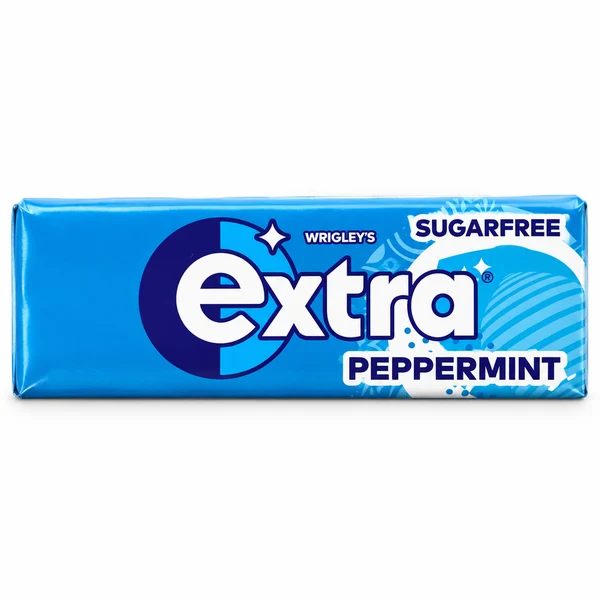
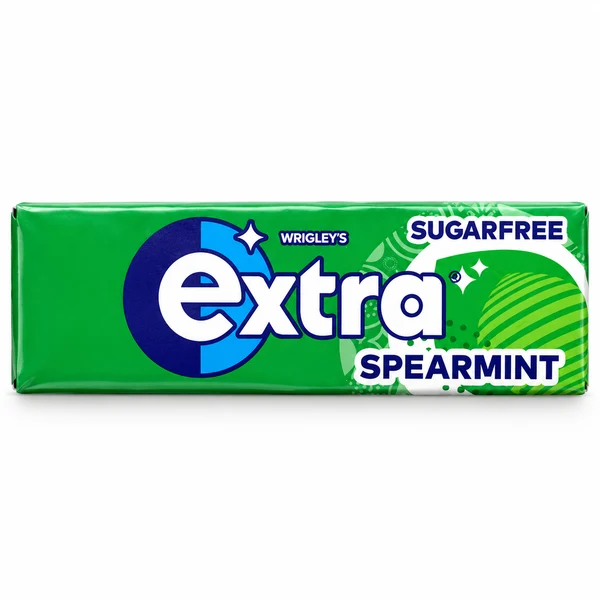
Quantities and ingredients belong to the exact listing and selected option. Check the current product page and physical pack for allergens, dietary information and storage.
Common questions
Is flavour injected continuously into the gum?
No. The original formulation contains the ingredients that become available while you chew.
Does every gum use encapsulation?
Do not assume so. It is one documented approach among different formulations.
Why is tasteless gum still chewy?
The chewable base can remain after much of the flavour experience has diminished.
Sources and editorial notes
Written and illustrated by HRS Food. Research reviewed on , using the references below and live HRS product listings. Recipe examples, study findings and legal label definitions are identified in context. These explanatory illustrations do not establish a brand’s private recipe. Where a rule or recipe can change, check the linked authority and current pack.