By HRS Food · Published · Reviewed
What does PMP mean on sweets and chocolate?
PMP means price-marked pack: the retail packaging has a price printed on it. In a wholesale or multipack listing, that printed price is not automatically the total you pay for the whole case. Read the listing’s selling unit, pack count and checkout total together. [1][2]

Why does PMP appear in a product title?
Wholesalers use it to distinguish price-marked retail formats from other packaging. Hancocks, for example, lists price-marked chocolate and sweets with separate case quantities and per-piece information.
The abbreviation identifies a packaging format. It does not, by itself, tell you the case size, individual weight or total order quantity. Those details need their own place in the listing.[1][2]
Printed price versus case price
Imagine a fictional case of 24 bars sold for £12. The arithmetic is 50p per bar before any separately charged delivery. That is different from a price printed on one bar’s wrapper and different again from the total charged for two cases.
This is an illustrative calculation, not a current HRS offer or a statement about what a retailer may legally charge. Check the actual listing and ask about anything unclear before ordering.[1]

How can a small-pack listing differ?
A smaller multipack may let you choose the number of retail units, while a full-case offer has its own written count. A photo showing one wrapper identifies the product but does not establish that you receive only one item.
Look at the selected quantity, the contents description and the total price. For a fair value comparison, also check individual weights and any delivery charge rather than comparing two headline numbers for unlike packs.[3][2]
What if the listing and wrapper seem inconsistent?
Keep the exact product title, selected option and packaging details, then ask the seller to explain the offer. Do not guess whether a printed number means a case total, an item price or a quantity.
HRS product links are there to show named pack formats. Availability and prices can change, so use the live listing for the offer and checkout for the final order total.[1][2]
The key differences at a glance
| Number on the page | What to identify |
|---|---|
| Printed wrapper price | The price-marked retail format |
| Case count | How many retail units the case contains |
| Selected option | The purchase quantity you chose |
| Checkout total | What your order will actually cost |
Related examples at HRS Food
Compare the pack counts, retail weights and listing descriptions on these formats. Any printed retail price, case offer and selected order quantity need to be read as separate numbers.
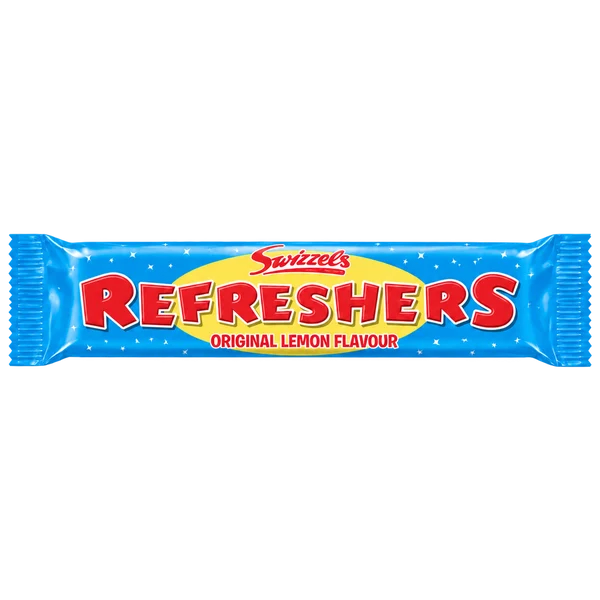
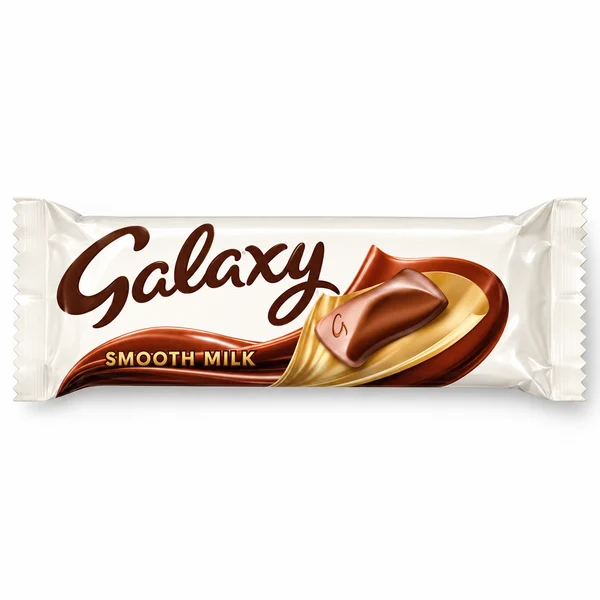
Quantities and ingredients belong to the exact listing and selected option. Check the current product page and physical pack for allergens, dietary information and storage.
Common questions
Does a 60p PMP title mean the whole case costs 60p?
No. Identify the retail price mark and the separate case selling price.
Does PMP tell me the bar’s weight?
No. The weight and pack contents need their own declaration.
Can a photo show one pack when the offer contains more?
Yes. The selected option and written contents determine the purchase quantity.
Sources and editorial notes
Written and illustrated by HRS Food. Research reviewed on , using the references below and live HRS product listings. Recipe examples, study findings and legal label definitions are identified in context. These explanatory illustrations do not establish a brand’s private recipe. Where a rule or recipe can change, check the linked authority and current pack.