By HRS Food · Published · Reviewed
What are candy canes made from, and why the hook?
Candy canes are shaped hard sugar confections, often peppermint-flavoured, with a curved end. A maker can bend the warm, workable candy into the hook before it fully sets. The exact origin of the shape is uncertain: familiar stories about a choirmaster and shepherds’ crooks should be presented as legends, not proven history. [1][2]

What gives a candy cane its hard structure?
A demonstrated candy-cane method cooks a sugar-and-syrup preparation, then works and shapes it while it is still pliable. Flavourings and colours depend on the recipe. The traditional peppermint association does not mean every cane is peppermint.
The name describes a format rather than one universal ingredient list. Use the exact wrapper for colours, flavourings, dietary information and any age guidance.[1]
How are stripes and the curve formed?
ThermoWorks’ demonstrated method uses coloured and uncoloured portions that are brought together, pulled and twisted, then cut and shaped. The hook is made while the material can still be worked.
That is an explanation of one method, not a claim about every manufacturer’s machinery. A finished cane need not have been cast in a curved mould, and different processes can produce a familiar appearance.[1]

Why do people tell the shepherd’s-crook story?
The story connects the shape with Christmas symbolism, but the sources checked describe the origin tale as uncertain. National Geographic explicitly treats the choirmaster account as unsubstantiated.
It is useful to distinguish a meaning people attach to a sweet from evidence for who invented it. You can explain the symbolism without assigning an unsupported inventor, place or year as established fact.[2][1]
What if you want to make or use candy canes?
Making them involves handling very hot sugar and is not a casual first experiment. Use a complete tested method with suitable equipment rather than improvising from a short explanation of the shape.
For bought canes, keep their wrappers and ingredient information when decorating or sharing. Do not assume that a seasonal colour scheme identifies the flavour or makes every version suitable for the same guests.[1]
The key differences at a glance
| Question | What is established here |
|---|---|
| Ingredients | A sugar-confection recipe that varies by product |
| Hook production | Warm candy can be bent before setting |
| Origin story | Popular accounts are not firm proof |
| Flavour | Peppermint is familiar, not universal |
Related examples at HRS Food
These familiar sweet formats offer a comparison for the textures or decorations discussed. They are not being sold here as candy canes, edible glitter or isomalt decorations.
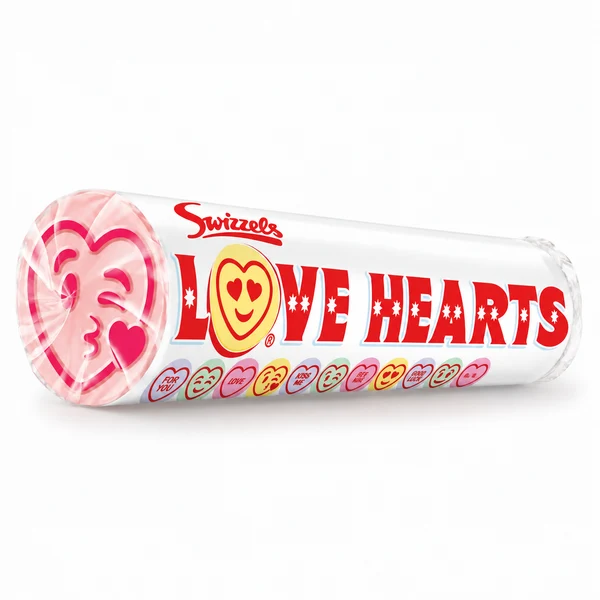
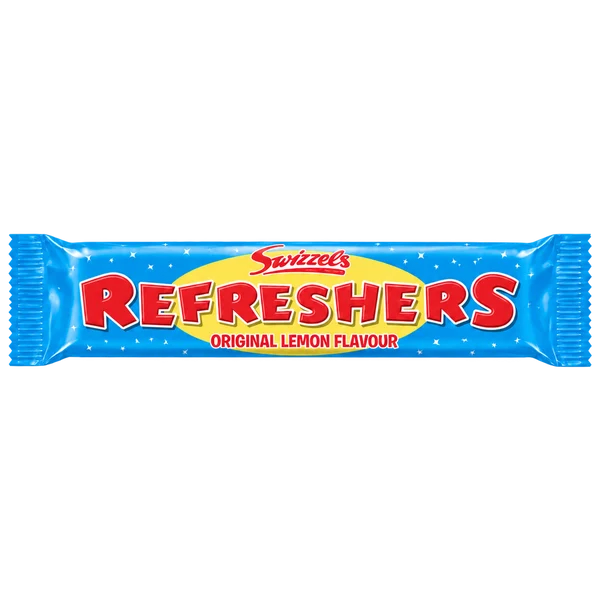
Quantities and ingredients belong to the exact listing and selected option. Check the current product page and physical pack for allergens, dietary information and storage.
Common questions
Are all candy canes peppermint?
No. Check the named flavour of the actual product.
Was the choirmaster story proved?
The sources checked treat it as an uncertain or unsubstantiated origin story.
Are the stripes painted on afterwards?
The demonstrated method works coloured candy portions into the structure; methods can vary.
Sources and editorial notes
Written and illustrated by HRS Food. Research reviewed on , using the references below and live HRS product listings. Recipe examples, study findings and legal label definitions are identified in context. These explanatory illustrations do not establish a brand’s private recipe. Where a rule or recipe can change, check the linked authority and current pack.