By HRS Food · Published · Reviewed
Can chocolates and sweets contain alcohol?
Yes. Some chocolates and sweets contain alcoholic ingredients, including liqueur fillings or fruit treated with spirits. Others use a flavour description without the same recipe. A subtle taste or an ordinary-looking bar cannot establish alcohol absence; read the exact declaration and ask the maker when needed. [1][2]

Alcohol is not limited to liquid-centre chocolates
Ritter Sport describes soaking sultanas in Jamaican rum for its rum, raisins and hazelnuts chocolate. That is a useful maker’s example of alcohol being associated with an inclusion rather than only a hollow liquid-filled chocolate.
An assortment may contain several recipes, so use its contents key as well as the complete ingredients. A chocolate without an obvious liquid centre should not automatically be treated as alcohol-free.[1]
Can a familiar brand contain both kinds?
Lindt’s UK FAQ states that a small number of its products contain alcohol or alcoholic liqueurs as ingredients. A brand-level impression therefore does not establish the answer for every seasonal assortment or variant.
Check the named product and the market pack. An ingredient statement for one country or a different flavour is not a reliable replacement for the wrapper you intend to buy.[2]

Does flavour prove the amount of alcohol?
No. A taste impression cannot measure alcohol content or establish that none is present. Equally, a flavour name should not be turned into an exact alcohol percentage without product-specific information.
If you need strict avoidance for personal, religious or medical reasons, explain that requirement to the manufacturer and ask about the exact recipe. A vague reassurance based on brand familiarity does not resolve an unanswered ingredient question.[2][1]
What is useful when buying a gift?
Read the selection guide and keep the outer packaging. If the recipient’s preference is unknown, choose a clearly described product rather than guessing from whether a filling tastes creamy or fruity.
HRS links here illustrate chocolate formats, not a certification that any listed assortment meets a particular alcohol-avoidance requirement. Ask about the exact product where the current information does not answer your question.[2]
The key differences at a glance
| Clue | What it does not prove |
|---|---|
| Liquid centre | Not the only possible alcohol-containing format |
| Subtle flavour | Not proof that no alcohol is present |
| Brand name | Not a declaration for every product |
| Flavour name | Not a measured alcohol percentage |
Related examples at HRS Food
Galaxy Caramel and Snickers are examples of filled or layered formats whose exact declarations you can inspect. A filling alone does not establish alcohol content; ask about the precise product when avoidance matters.
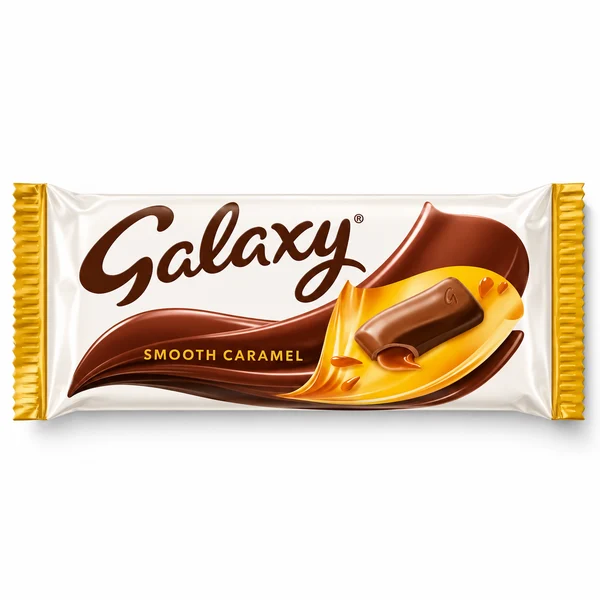
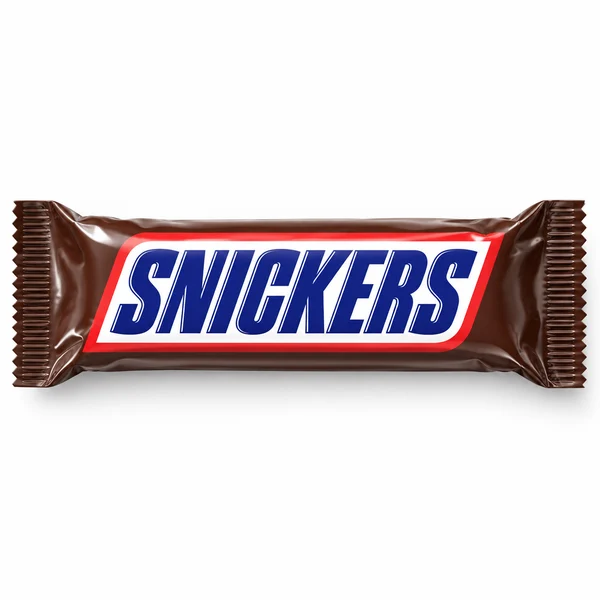
Quantities and ingredients belong to the exact listing and selected option. Check the current product page and physical pack for allergens, dietary information and storage.
Common questions
Does every rum-flavoured sweet contain the same alcohol amount?
No. Recipes differ, and a flavour description is not a percentage.
Can an ordinary chocolate bar contain alcohol?
Yes. The cited rum-and-raisin example shows why fillings and inclusions must be checked.
Does this article certify a product as halal?
No. That requires the exact declaration and whatever certification the buyer needs.
Sources and editorial notes
Written and illustrated by HRS Food. Research reviewed on , using the references below and live HRS product listings. Recipe examples, study findings and legal label definitions are identified in context. These explanatory illustrations do not establish a brand’s private recipe. Where a rule or recipe can change, check the linked authority and current pack.